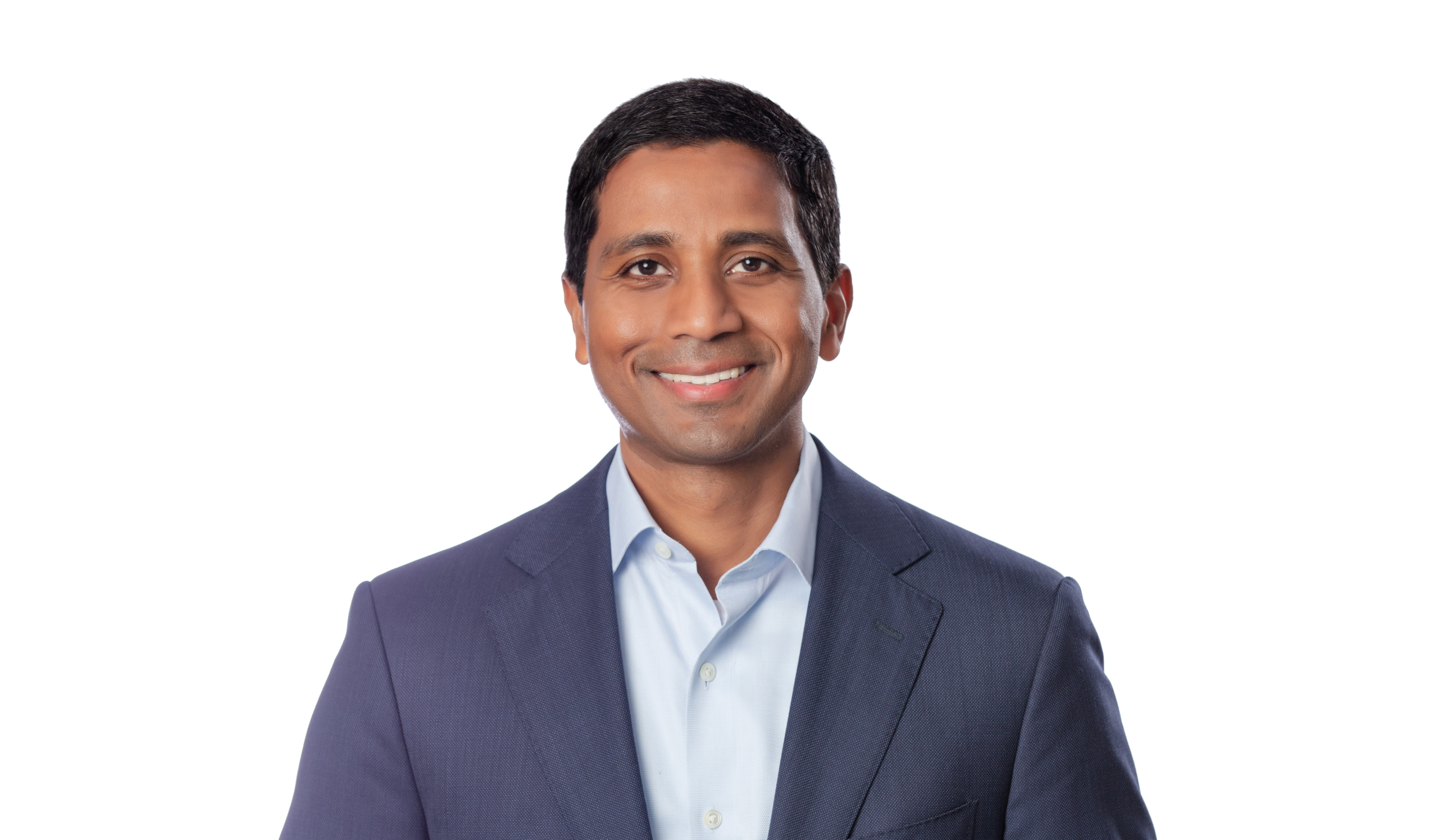


I recently went one-on-one with former Coca-Cola executive and author of Soulgery Ahmet Bozer.
Adam: Thanks again for taking the time to share your advice. First things first, though, I am sure readers would love to learn more about you. How did you get here? What experiences, failures, setbacks, or challenges have been most instrumental to your growth?
Ahmet: Looking back, the best answer now feels like: through a carefully curated journey, some parts planned by me and others for me. I was born and raised in Turkey and came to Atlanta to pursue a master’s degree in Information Systems. I began my career in teaching, then transitioned into auditing and consulting before joining The Coca-Cola Company, where I eventually stepped into senior executive leadership roles. Across these transitions, the constant thread was exposure to diverse cultures, markets, and ways of thinking. That global perspective, combined with a long-standing fascination with how people grow and develop themselves, ultimately led me to my second career: focusing on how to help individuals unleash human potential. This journey began with writing Soulgery (short for “Self Surgery of the Soul”) and continues today through a range of initiatives designed to expand its reach and practical adoption.
Adam: In your experience, what are the key steps to growing and scaling your business?
Ahmet: In my previous life as a global executive at Coca-Cola, scaling a business meant continually and deliberately investing in brands, in customers, in people, and in organizational capability. Today, that same principle applies to building Soulgery, even though I see it as a social enterprise rather than a purely profit-driven one. The fundamentals of growth do not really change. You still need clarity about the value you are creating, consistent investment in reaching the people you serve, and the right capabilities to deliver that value effectively. The main differences are that the “product” is your message and the team is often not inside a single organization, but a network of experts who must still align around a shared purpose and execute with the same discipline.
Adam: What are your best tips on the topics of marketing and branding?
Ahmet: One principle I always emphasize is not becoming too inwardly focused. Strong marketing comes from staying closely connected to the outside world: consumers, retailers, partners, and the broader ecosystem. Continuous engagement with these stakeholders deepens your understanding, helps you build more meaningful brands, and sustains them over time. Second, don’t pursue something simply because it’s popular or demanded by others. Do it only if you are convinced it genuinely strengthens your brand and its long-term position. Finally, develop a holistic perspective. Marketing never operates in isolation. Your decisions influence areas beyond marketing, and what happens outside marketing shapes your results. The more you understand these connections, the more effective your brand leadership becomes.
Adam: What do you believe are the defining qualities of an effective leader?
Ahmet: I believe effective leadership begins with a sense of meaning. The conviction that the work matters for reasons beyond money, status, or personal achievement. That meaning usually translates into contribution: a commitment to something larger than oneself. Because this sense of meaning cannot be imposed from the outside, it has to be cultivated within. When leaders genuinely live that meaning, or even commit to cultivating it, they naturally inspire others.
Next comes what I call the human qualities, the character traits that allow people to trust and connect deeply with a leader. Integrity, fairness, courage, and humility are among these invisibles that unlock the true power of human potential. In organizations, these qualities don’t spread through slogans; they spread when leaders embody them consistently, in good times and in difficult ones.
Resilience is another one. Leadership inevitably brings pressure, contradictions, and competing demands, often the expectation to deliver more with fewer resources. Effective leaders learn to see these tensions not simply as frustrations, but as sources of creativity and growth. This requires treating adversity as a teacher rather than an obstacle. Finally, leadership carries a responsibility to keep growing. Leaders are role models, and when they commit to lifelong growth, they inspire others to grow as well, creating a legacy that extends far beyond their formal role.
Adam: How can leaders and aspiring leaders take their leadership skills to the next level?
Ahmet: Aspiring leaders have to begin with themselves. Every defining quality of leadership – meaning, contribution, humanity, resilience, and growth – requires an inward journey.
I believe that reflecting honestly on how we embody these qualities, having a sense of what “good” looks like, and consistently acting to move closer to that standard is a critical personal habit. Leadership growth is never a one-time achievement; it is a continuous process. By regularly asking themselves questions such as – Am I aligned with my meaning? Am I contributing in the way I intend? Am I still growing? – leaders keep challenging themselves to evolve. That inner work is what ultimately strengthens their external leadership.
Practically, this means making space for regular self-reflection, staying open to feedback, and creating an environment where others feel comfortable offering honest input. Leadership develops fastest when reflection, learning, and adjustment become ongoing habits rather than occasional exercises.
Adam: What are your three best tips applicable to entrepreneurs, executives, and civic leaders?
Ahmet: Certain principles apply equally to entrepreneurs, executives, and civic leaders. In my experience, three stand out. First, always think big, deep, and long. Big means understanding the broader system their organization operates in and how it connects to society. Deep means identifying the real cause-and-effect relationships behind problems rather than reacting to surface symptoms. Long means understanding history and long-term consequences, not just short-term outcomes. Entrepreneurs, executives, and civic leaders who consistently think in these three dimensions make better decisions and build more sustainable organizations.
Second, continuously improve how they manage their own psyche. All of these positions inevitably bring pressure, uncertainty, and, as a result, strong, sometimes destructive, emotions. Emotions cannot simply be suppressed, but they can be understood and channeled toward a useful purpose. One example is sustaining belief in what they do. Doubt, fear, or frustration will always be present, but recognizing them as signals for reflection, preparation, and refinement prevents those emotions from becoming derailers. The more leaders understand their inner responses, the steadier and more effective their leadership becomes.
Third, learn to trust their intuition. The bigger the stakes in a decision, the more it is surrounded by ambiguity. In those moments, analysis alone rarely provides the full answer. Intuition complements disciplined reasoning and sometimes guides the final call, a reality that applies to entrepreneurship just as much as it does to leadership. In practice, leadership rarely turns on one dramatic decision. It is shaped by how consistently these disciplines are applied over time.
Adam: What is your best advice on building, leading, and managing teams?
Ahmet: It begins with strengthening human connection. Teams perform best when people feel respected, trusted, and genuinely seen. Leadership is not only about aligning tasks, it’s about nurturing the human qualities that allow people to work well together.
Second, focus deliberately on strengths. Many organizations train managers to identify development gaps, but not enough to observe and leverage what people naturally do well. Strong teams are built by bringing together individuals whose strengths complement one another and aligning those strengths with what the team is trying to accomplish.
Third, create an environment where people can succeed. This means clarity of direction, psychological safety, open communication, and the space for people to take ownership. When the environment is right, performance follows and becomes far more sustainable.
Finally, remain constructive no matter what. Teams inevitably face setbacks, tensions, and unexpected challenges. A leader’s tone in difficult moments often defines the culture more than their behavior in good times. Staying constructive, solution-focused, and human under pressure builds resilience across the entire team.
When these elements come together – connection, complementary strengths, supportive environment, and constructive leadership – teams don’t just perform better, they grow stronger over time.
Adam: What is the single best piece of advice you have ever received?
Ahmet: Surround yourself with great people!
Adam: Is there anything else you would like to share?
Ahmet: No conversation about leadership today feels complete without acknowledging the most defining technological development of our era: artificial intelligence. AI is reshaping leadership from multiple angles, from how businesses remain relevant to how products and services are designed and delivered, to how organizations engage with customers, employees, and partners. These shifts place new demands on leaders, envisioning how AI will shape their industry and guiding their organizations through that transformation with clarity and responsibility. But AI also touches leadership at a more personal level. It changes how leaders themselves work, learn, make decisions, and grow. In many ways, the real starting point is the leader’s own capacity to adapt, reflect, and evolve alongside it. When leaders begin there, by strengthening their own judgment, humanity, and readiness to learn, they are far better positioned to lead their organizations through the opportunities and uncertainties of the AI era. Technology will change how we lead. Humanity will determine how well we lead.