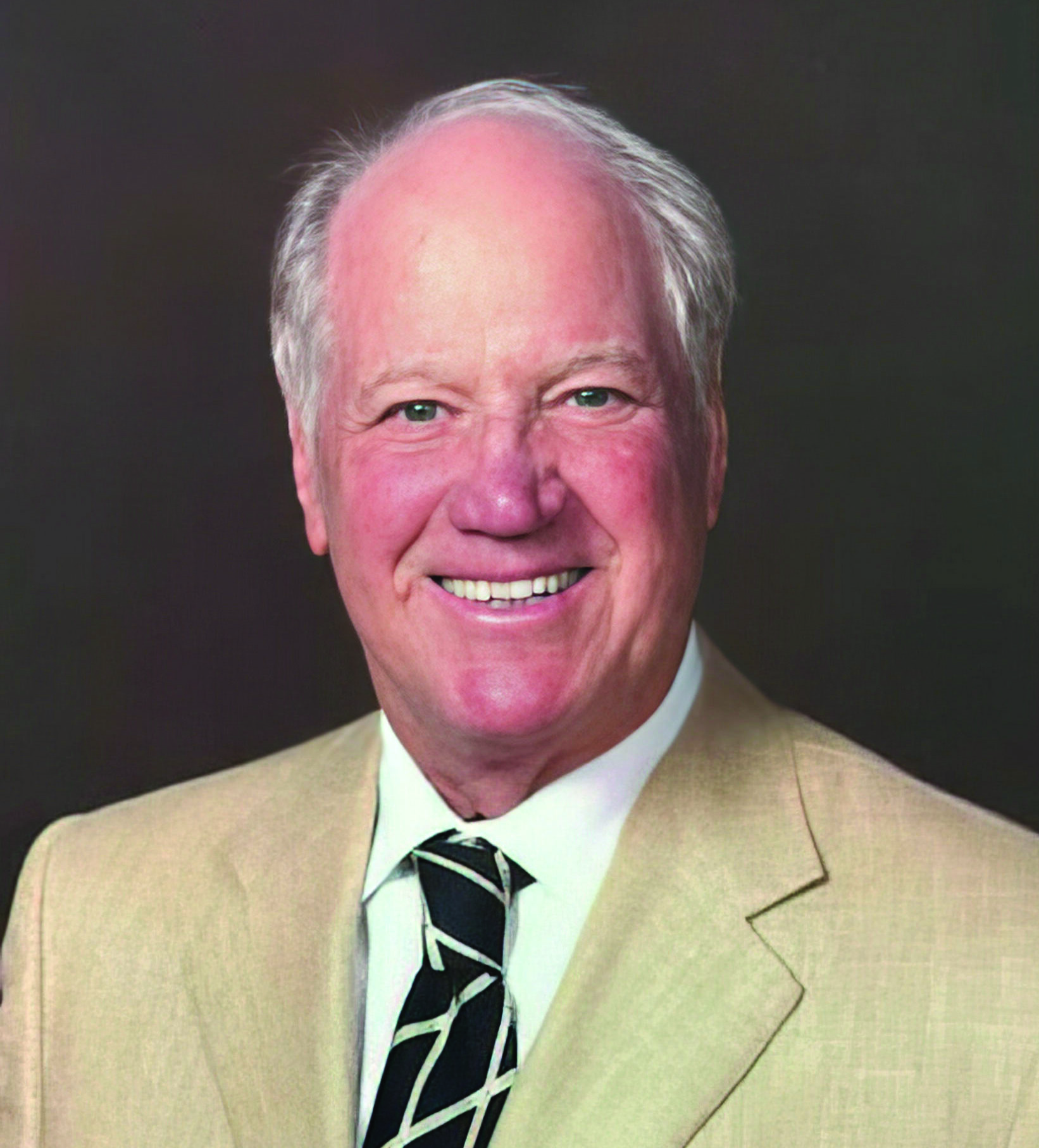

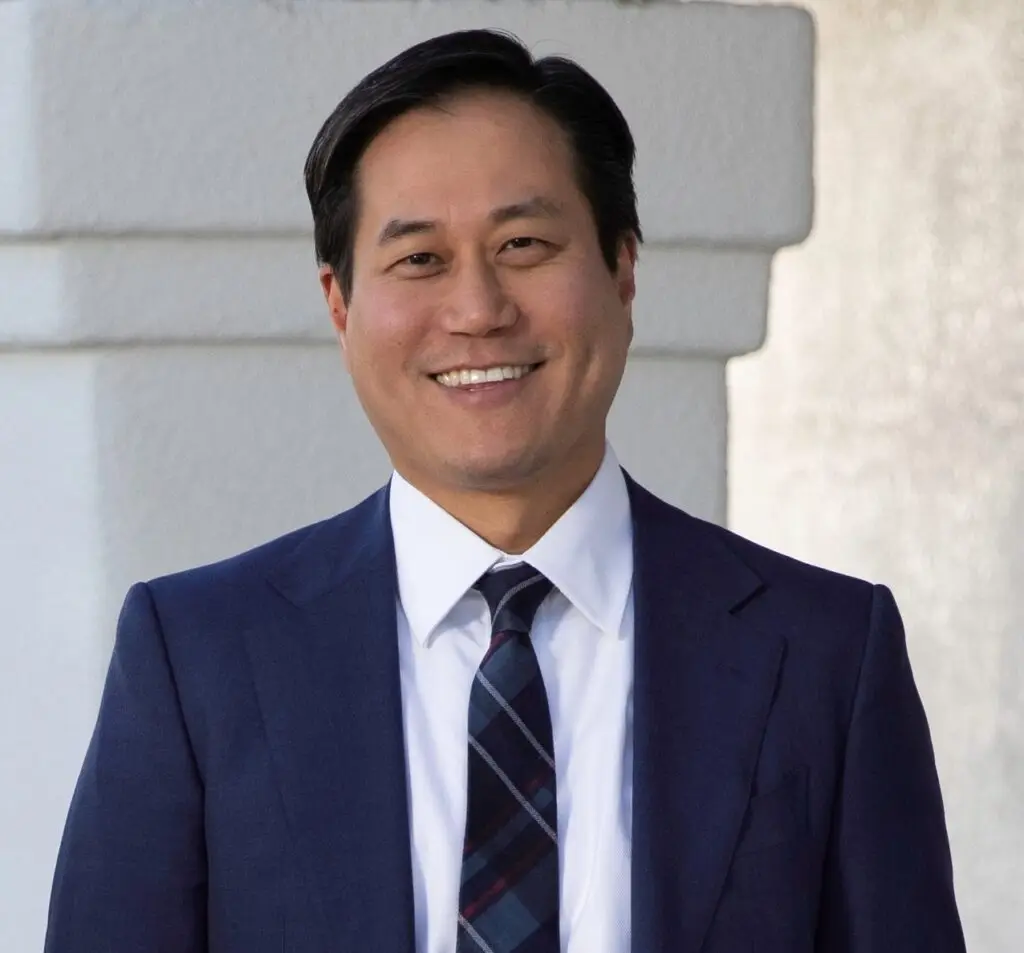
I recently interviewed Hazelden Betty Ford CEO Joseph Lee on my podcast, Thirty Minute Mentors. Here is a transcript of our interview:
Adam: Our guest today is the leader of America’s largest nonprofit treatment provider. Dr. Joseph Lee is the CEO of the Hazelden Betty Ford Foundation. Joe, thank you for joining us.
Joseph: Thanks so much for having me on, Adam. Really excited to have this conversation.
Adam: You were born in Seoul, South Korea, but you grew up in Oklahoma. You were seven years old when your dad moved the family to a completely different country, and what must have felt like a completely different world. Can you take listeners back to your early days? What early experiences and lessons shaped your worldview and shaped the trajectory of your success?
Joseph: Yeah, my father was a chemical engineer, and my mom was an art teacher at a local university in Seoul, South Korea, and that’s where I grew up until I was about seven years old, in a fairly big city. As most people know, he wanted to pursue a master’s degree and a PhD, and so we just kind of started over. We came to the United States, and he chose Oklahoma because there’s a lot of oil and natural gas chemical engineering stuff there. And so we came. It was me, my father, my mother, and my sister, who’s two years older.
It was a big shift. Initially, I was from a big city, and Oklahoma at that time was fairly flat. The landscape is flat, and I had images of what America was like watching syndicated shows of Buck Rogers and westerns and whatnot. But I fell in love with the state. The people in Oklahoma are great. I grew up there, did elementary school all the way through college and medical school there before I left Oklahoma. In many ways, it’s a home state for me.
When you’re in a new country, and I think in high school, there were maybe two to four people who looked like me in my high school out of a class of 700 or so. I think, in general, the people in Oklahoma were very inviting, very salt-of-the-earth people. I’m a huge Oklahoma Sooners fan, so I still love Sooners football. I can’t believe how upset I get sometimes when they lose. It’s my alma mater, both for college and for medical school. So I love the state.
Being in the States taught me a lot. My immigrant experience taught me a lot. We had to start over. My mother worked a lot of menial jobs, housekeeping, nighttime janitor. She was finally able to get a skilled job at a factory, and we were able to get a green card, and then that allowed me to pursue my dreams and go to medical school. And that’s something that I don’t take for granted.
That immigrant journey, how much my parents sacrificed for me, knowing full well that their lives and their trajectory might not change so radically, but that they would sacrifice all of that so that I could have a future, that’s something that I took on at a very young age. This sense of duty and the sense of honoring my parents’ sacrifice, my mother’s sacrifice in particular, because she gave up her teaching career.
That’s what I took away. Oklahoma’s great people, salt of the earth, and just this immigrant experience of not having a lot. It wasn’t like an after-school special movie. I kind of aged myself saying that. I didn’t have a lot growing up. Garage sale clothes. We had food on the table and housing, but not too much more than that. But I didn’t really know it that much. It was very formative. It taught me what was important in life. It taught me the importance of faith and spirituality and community and family. And I think it was a really great foundation to think about how different people live the walks of life that they have. Certainly, now in America, in these times, it makes me very grateful for being a citizen, being a part of this country. I love it.
Adam: I love those early lessons, those early values. You spoke about duty. You spoke about work ethic. You also spoke about adaptability. And you started your journey pursuing a career as a physician, and you still work in medicine, but now you lead a huge organization.
Joseph: Being an immigrant and seeing your parents sacrifice makes you really think about your life differently. There was also this Eastern and Western cultural merge. Western culture is very much about the individual, and Eastern cultures are much about the collective. I think from a young age, I was gifted with a view, blessed with a view that was imbued in me, that your life isn’t just your own. You live for other people. You’re connected to other people. That was something that was important to me.
When I look back, I think it influenced my decision to go into a helping profession. Every Memorial Day, I say this to my employees sometimes and I write it out; I have a profound sense of gratitude. If you really connect the dots and how much we are connected, a lot of American soldiers, for example, that I never met went to South Korea and sacrificed their lives so that a generation later a kid like me could come to the States and become a physician and help people, and then later have an impact in other people’s lives. I don’t think they would have ever imagined it.
Having that kind of view about history and how we’re all so connected, and that it’s not just about my life, is something that I’ve always held in a very dear way.
In college, I was kind of a late bloomer. I joined a fraternity to catch up socially. I had long hair. I was a long-haired frat boy, and I was a philosophy major. That was a good time. I learned a lot. There was a time when I was applying, and at some point I realized I didn’t want to be a starving philosopher. I was thinking about law school, and I was thinking about medicine. My mom was like, you’re not going to get into med school looking like a hippie. That’s kind of what she said.
So I had this dilemma. It was kind of a Pascal’s Wager. If I didn’t cut my hair and I didn’t get into medical school as a philosophy major, I don’t think I would have heard the end of it from my mom. So I went ahead and cut my hair because I said, well, at least that improves my chances. I might still hear it from her if I don’t get in. But I was fortunate enough to get in.
Back on the thread of this collective view, when I went to medical school, I had a passion for the underdog. For whatever reason, even before I went to med school, a lot of my friends were volunteering at hospitals who had an interest in medicine. I don’t know exactly why, but I volunteered at what was called Griffin Memorial Hospital, the state psychiatric hospital in Norman, Oklahoma. My job was to volunteer and work with some of those people, to take some of the patients who had been there for a very long time and were very sick to delis, and we’d play basketball with them.
There was something that drew me in, in all of medicine, to mental health care and really helping those people be acknowledged and be seen. I don’t quite know what drove it.
In med school, I matched in both internal medicine, because I really liked hematology oncology, which is cancer treatment, and I also matched in psychiatry. Ultimately, I decided that I actually didn’t like cancer very much. I just loved the stories of the people who were going through that experience and that human connection.
Adam: At the heart of leadership is people. There are plenty of vocations that you can pursue and be really successful in if you don’t love people, but you’re never going to be a successful leader if you don’t fundamentally love people. And when you started off in your journey, you didn’t say, I want to become a CEO of a huge nonprofit organization, but you did say, I love people, and I believe in doing something that allows me to be with people, to connect with people, to enrich the lives of people. And initially, that brought you to the field of medicine as a physician. And the transition from practicing as a physician to leading people is a natural one if you’re a person who loves people. That’s what this is. Leadership is a people business.
Joseph: It’s absolutely a people business. Sometimes it’s a criticism of mine that I tend to see the good in people. I tend to be maybe a little more trusting than other people are. It’s just how I’m wired.
In my medical career, there were a lot of transformative experiences that taught me a lot. When I was at Duke, I met my wife. She’s a Tar Heel. I’m a Dookie. So kind of rivals there when it comes to basketball. Working with a very different population than in Oklahoma, where you have a lot of Native American population and their health issues, most of my patients at Duke were predominantly African American.
Then I went to Johns Hopkins Hospital for fellowship in inner-city Baltimore. That was the time when the HBO show The Wire was on. My job was not nearly that cool, but the ability to cut my teeth in inner city Baltimore is something I’ll never forget. It was transformative working with those families. There are stories there that informed, I think, my leadership later on.
One story I tell sometimes is at Johns Hopkins, you have the ivory tower of the hospital itself. In the morning, I would be in inner-city Baltimore proper, walking to these schools because I was a child psychiatrist. I would work with social workers and teachers at these schools for kids whose parents needed bus tickets to get there and who were having struggles, sometimes with food insecurity. Then in the afternoon, I’d go to the ivory tower that was Johns Hopkins Hospital. I’d see the children of delegates and lobbyists and famous people who flew in from all across the country to come to such a great hospital.
I noticed a discrepancy between this VIP clinic and the work I was doing in the morning. I had a hard time reconciling that for a while, but I did. The way I reconciled it was I said I’m going to treat every kid I see like a VIP. Sticking to those simple principles really helped me in my medical career.
When I joined Hazelden, and it was just Hazelden at the time, it had not merged with the Betty Ford Center, that was very formative. Later on, those lessons in medicine also informed how I led. They’ve been blessings.
Adam: And that is a great leadership lesson, treating every kid like a VIP. The best leaders treat every person like a VIP. They treat the janitor the same way that they treat the members of the C suite.
Joseph: So kind of an interesting tip. When I hire executives and I hire people, I pay attention to how they treat the administrative assistants, the schedulers, the recruiters, the people at the front desk, because it’s in those moments when people are caught off guard that they show their EQ and their character and their values.
I’m really proud to say that we’ve recruited a great team of people who believe in those values, and they’re authentically who they are all the time. What that does when you have a leadership team like that is it amplifies the values of what Hazelden Betty Ford stands for in the first place.
You’re absolutely right. I think it’s those moments when you’re able to treat everybody with the same kind of dignity and respect and compassion. It really pays off in the end for the mission, and it changes the outcomes and the quality of care for an entire organization.
Adam: What do you believe are the key characteristics of the very best leaders, and what can anyone do to become a better leader?
Joseph: In my own journey, good leaders are humble, but they can also be decisive. I think good leaders are empathic, but they don’t let those perspectives interfere with sound choices or sometimes making tough choices. They have to be able to reconcile those things.
Good leaders invest in people. The best leaders I see, and the leader that I aspire to be all the time, is somebody who invests in the team, and the team actually does the bulk of the work. You invest in those people, and you’re really just there to support them and to build trust and camaraderie within that group. That’s what really good leaders do.
In healthcare, there are a few other wrinkles that are important. Being a frontline clinician, even when the pandemic started, was such a challenging but inspirational time. On the front lines helping people with addiction, not knowing what COVID was, and everyone being afraid about losing their own lives and livelihood. All those things really inform leadership.
That wrinkle in healthcare is I’ve been blessed with being able to speak the language of our frontline people. In certain industries, leaders are able to do that. They’re able to operate at 10,000 feet, but they can also operate on the ground, and they can speak from the heart and relate to the good work that our people do every day.
There’s a lot of leadership traits that I aspire to. I’m still learning and growing as a leader, but the best leaders that I look up to are humble, they’re empathic, they’re solid in their decision-making, they’re consistent, and they invest in people.
Adam: What do you look for in the people who you hire? What are your best tips on the topic of hiring?
Joseph: I’ve learned a lot of lessons, and I don’t want anybody listening to this to feel like I had a playbook. When you’re a physician, you’re almost like a savant in that you’re good at medicine, but it doesn’t necessarily mean you’re going to be a leader. It’s a different hat. It’s a different skill set. So I made a lot of mistakes. I continue to make mistakes and learn from them. All leaders do.
When I was a medical director before I was CEO, managing physicians, which is incredibly rewarding but also incredibly challenging at times, there were so many lessons. What I’ve learned is that character and self awareness and emotional intelligence are more important than skill. There are times when skill is a prerequisite. You have to have a talented team. But you’ll find that at a place like Hazelden Betty Ford, there are a lot of talented people who want to work with the mission, and they have personal ties to the mission.
Of those people, I think it’s better to choose people who have self-awareness, who can take feedback, who work together as a team, rather than people who may be extraordinary subject matter experts in the area.
Adam: You mentioned that the transition from individual contributor to leader was a bit of a rocky one. What have you learned from your experience transitioning from individual contributor to leader, and what advice do you have for anyone on how to successfully transition from individual contributor to leader?
Joseph: The bottom line is I’ve worked with so many young people and so many families as a child psychiatrist, an addiction medicine doctor, as a therapist. What I know is that people tend to repeat patterns, and we are all, in some ways, slaves to our patterns that are set in motion. These patterns only change when there’s some external variable that forces that change, or it’s better when the change comes when we are very intentional about it.
All of us have habits and tendencies. It’s how do people become very intentional and self aware and persistent about changing those things.
This is in hindsight. It’s not like I had this wisdom prospectively. I remember at Duke in internship, things really changed because you’re not the medical student. All of a sudden you’re the doctor. There I am in the Veterans Hospital in Durham, North Carolina, with a stethoscope over my neck, and people are asking me what to do. I felt the enormity of the responsibility because I’m no longer in the peanut gallery. They’re looking to me.
I took that very seriously. In residency, I became very intense. I became very type A. I wanted to be the best. I had this sense of duty that we talked about. I pushed my teammates really hard, and I don’t know if they always appreciated that. That carried over into Johns Hopkins.
When I got to Hazelden Betty Ford, I was really good at my clinical craft, but I was an individual contributor, as you say. There was an experience where I learned a kind of therapy called motivational interviewing. Motivational interviewing is a person-centered therapy that helps people make decisions that are consistent with their values when they’re stuck on something, when they’re on the fence.
Learning that kind of therapy was transformative for me. Combined with the restorative and incredible experience of the patients at Hazelden Betty Ford, these patients and young people and families who had suffered and gone through so much and had so much shame, to see so many of them do well and thrive in life was humbling. There was no way you could live in those moments and not take your own inventory, as we say in recovery.
That ability to listen as a therapist, to really hear what people are saying but also hear what they are not saying, to be intentional about it, to have an attitude of gratitude and hope, and to see the trajectories of these young people inspired me to be more intentional about my own change. That prepared me to be a leader in a way that was actually fairly accidental.
I didn’t know that this was happening. I was just doing the next right thing. When I came to Hazelden Betty Ford, I was doing well clinically, and then they put me in a lot of media venues. Now I’m doing public speaking and media and TV and radio. Then I’m on a board because somebody knew me because I treated someone’s child. I’m getting known in networks and communities, and I’m having opportunities for philanthropy and other leadership.
When the pandemic hit, our CEO, Mark, who was a great CEO, was retiring. That was the summer of George Floyd’s murder. There was a lot happening. I was worried about the trajectory of our organization with our CEO’s retirement. I remember reading the job description of the CEO, and accidentally, by being on a board and doing these media things and running some operational areas, all because I was intentional, I realized I could check those boxes. That’s why I threw my hat in the ring.
This change from being an individual contributor to a leader was intentional, but in the big picture, fairly accidental.
Adam: And there are a lot of really important lessons there. Leadership is a journey. It doesn’t happen overnight, and it’s a journey that requires wanting to become a better leader. You spoke about a lot of the important ingredients: listening, humility. It’s also important to ask yourself, why not me? Someone is going to be the CEO. Why not me? Someone has to step up. Why not me? And you stepped up. You threw your name into the hat, and your name was chosen.
Joseph: Yeah, I think it was just a real blessing at the time, and I take the responsibility of being a steward. Hazelden Betty Ford started on a farm. I don’t know if you know this, Adam, but in 1949, if you go back in time, there was no place for addiction treatment. People across the country, and many still do today, think of addiction as a moral failing, and they think of people with addiction as bad people. Even psychiatric wards didn’t want people with addiction.
A group of people in Minnesota bought a farm in rural Minnesota. The farm was named after a prominent family member named Hazel, so the family farm was called Hazel’s den. That’s where our name comes from, Hazelden. Out of this farm in 1949, against all odds, when there was so much stigma about addiction, our mission was born and accelerated through time.
Out of that commitment to certain principles, this nonprofit organization ended up changing the dialog for addiction and recovery in the entire country. When we merged with the Betty Ford Center, we amplified Mrs. Ford’s legacy. In the 70s, she talked about her breast cancer journey and then her addiction journey in a time when people didn’t talk about those things. Mrs. Ford, when she shared her story, made millions of people across the country feel seen.
That’s the kind of power in that mission. It’s been an incredible privilege to be a leader in that mission.
When I saw these young people come into treatment, I saw a journey that was more than cognitive behavioral therapy or medications like Suboxone for cravings or overdose prevention. I saw them come from a place of shame. They would sometimes lash out at the world with all the pain that they had. They would get to a place in groups where they were humble enough to self-reflect. That humility opened a door. They accepted that they had a disease of addiction. They allowed other people in.
From that humility, I saw them spark empathy. They started to identify and walk in the shoes of other people in the group. As they started to empathize with others, they started to empathize with themselves. Through that journey, they became tolerant of others. They recognized that we all make mistakes, that we all need grace. They became forgiving of others and their family members.
Through this journey of humility and empathy and grace, I saw these young people transforming. Those young people and those families taught me so much about the principles and values that spark leadership and spark change.
Adam: I really love that. The most successful leaders are humble. The most successful leaders possess empathy. The most successful leaders lead with grace toward others and toward themselves. Everything you shared about what you learned from your time spent directly treating those struggling with addiction, we can all apply to ensure that we are leading as effectively as possible.
Joseph: That’s what the young people taught me. I was the medical director for our youth and young adult facility in Plymouth, Minnesota, for a long time. These are lessons those kids and their parents taught me.
They taught me that humble people are the truly confident people. That sounds like a contradiction, but it’s not. Humility leads to confidence. Humility is one of those things where no one has a black belt. You’re at square one every single day. We all slip. It’s something you keep practicing. It’s a door you continue to open that closes if you don’t keep opening it.
It’s the gateway to self-awareness. It’s a gateway to intentional change. It’s a gateway to receive empathy. There’s no way to empathize with others if you think you’re better, different, or worse. How can you possibly walk in someone else’s shoes if you see yourself as separate?
I saw that happen every single day. Understanding how empathy is such an important tool, not just for empathizing with others but empathizing with yourself, and then as a leader empathizing with situations, is critical.
I’ll introduce a caveat. It’s not as simple as just being empathic and then going with that. If you don’t practice empathy the right way, it can be paralyzing. If you’re in a no-win situation as a leader and you empathize with every single person at the table too much, you’re paralyzed because you see everyone’s perspective.
Sometimes you have to know that empathy is the right perspective, but it’s not always the decision-making tool. Sometimes you have to say, what would another good value-driven leader do in this situation? Sometimes that’s the best you can do. There are situations in leadership where there’s not an obvious win. Different stakeholders have conflicting views, and if you rely solely on empathy, you can become paralyzed.
Using empathy well is nuanced and rich. That’s what I learned from these young people who loved on each other but also challenged each other, and from parents who loved their kids and empathized but still held them accountable in a loving, nonjudgmental way.
Adam: I love that you’ve made reference to situations over the course of your career where you were leading in crisis. In your role as the leader of Hazelden Betty Ford, you often find yourself leading in crisis, not only macro crises but micro crises. What are your best tips on how to lead in crisis?
Joseph: You have to have a long lens. It’s easy to be reactive. Leaders need to practice a certain mindfulness to separate themselves from the heat of the moment. They also have to recognize moments when their values are saying this is go time, and you have to act quickly. You have to know the difference.
One example that will stand the test of time for me was during the pandemic. I was still a medical director, still working on the front lines. In 2020, I was diagnosed with an early chronic medical condition, so I wasn’t supposed to be working because COVID had happened, and I was at high risk.
In that moment, I knew that the other doctors and nurses and counselors and housekeeping staff were working. I couldn’t look them in the eye and step back. I told my chief medical officer that I was going to go to work anyway, and I asked him to keep my medical condition private. That was a moment where my values spoke to me to act.
It helped revitalize what was happening because people in the loneliness and isolation of the pandemic needed help more than ever. I’ll never forget being able to look our nurses and counselors and housekeepers in the eye and doing it together. It was inspiring even in a bleak moment.
Other times, people will want you to take action on everything, and you have to have the wisdom to keep that long lens. I use a lot of recovery principles. The Serenity Prayer is a great one. Control the things you can and let go of the things you can’t.
Adam: So much of your work is centered around helping people develop a mindset for success. How can anyone develop a winning mindset?
Joseph: I’m an evidence-based scientific person, but I’m also a spiritual person. I think spirituality is having faith in the path of your own values. You don’t know what’s ahead. You don’t know what obstacles are ahead. You just know that the path you’re walking on has been paved by your values, and you have faith in it every single day.
I don’t think about that as a winning mindset, but the dedication to that path, even when there are headwinds, criticism, mistakes, or difficult conditions, is what I think a winning attitude is.
I was at an award ceremony in West Virginia, where we were helping stand up prevention programs in schools. Nick Saban spoke right before I spoke. When I got on stage, I told an Oklahoma Sooners joke, and I don’t think he appreciated that. But he talked about the process, how people wake up every day and lean into the hard choices, and over tim,e that’s what makes greatness.
It’s not looking too far ahead. It’s knowing the path you’re on is consistent with your values. People get too stuck on outcomes. If you chase outcomes, sometimes you don’t get there. If you focus on the process, you’ll be satisfied with whatever outcome you have more often than not.
Adam: You mentioned Nick Saban. I know you’re a big Sooners fan. I went to USC, and you know who our football coach is. You can’t say his name in the state of Oklahoma.
Joseph: People in Oklahoma are great people, and right or wrong, there’s a certain loyalty they have. I hope he continues to turn around the USC football program. I don’t have strong opinions one way or the other beyond loving football.
For leaders, you have to have faith. If you only look to outcomes, you’re going to get rattled. You have to know what you have faith in, and hopefully it’s centered on your values.
Adam: Joe, what can anyone listening to this conversation do to become more successful personally and professionally?
Joseph: It depends on what you mean by success. When I was a medical director and getting known nationally in addiction medicine, I had headhunters call me about private equity and shares of this and that. That’s never been success for me.
You first have to define what success is. To me, I want to be part of a lasting impact. I want to be remembered well. When I became CEO, I had to stop clinical care. I loved the families I worked with. They were transformative for me. The team created a picture of all the Press Ganey patient satisfaction comments that kids had made over the years about my care, and they put it in the shape of a heart. It’s in my office. That’s success to me.
Looking back at the impact you’ve had on others, how you’ll be remembered, how people feel when they hear your name. I still see young people that society largely dismissed because of their worst moments, thriving in life. They send me letters about med school acceptances. They’re researchers and business people and leaders. That’s success to me.
At my church, I have friends in the business world who volunteer searching for meaning. I feel so blessed. I tell our employees at new employee orientation what a blessing it is to work in a place where your day job fills your cup because you know you’re making a difference.
If people define success the right way and want a legacy and to feel good about what they’ve left on the field, it gets back to following that path grounded in your values and grinding every single day, not being deterred by noise on the outside.
If you had told me as an immigrant kid at seven or eight what I’d be doing later in life, I don’t know if I’d have believed you. As a teenager, very nerdy, with low self-esteem, if you had told me this would be my life, I guess that’s success. But what I’m most proud of is being a very small part of many people’s recovery journeys and now having the opportunity to amplify that impact to many more people. That’s what I would say.
Adam: Joe, thank you for all the great advice, and thank you for being a part of Thirty Minute Mentors.
Joseph: Thank you, Adam. It’s been a wonderful conversation. Thanks for having me on.