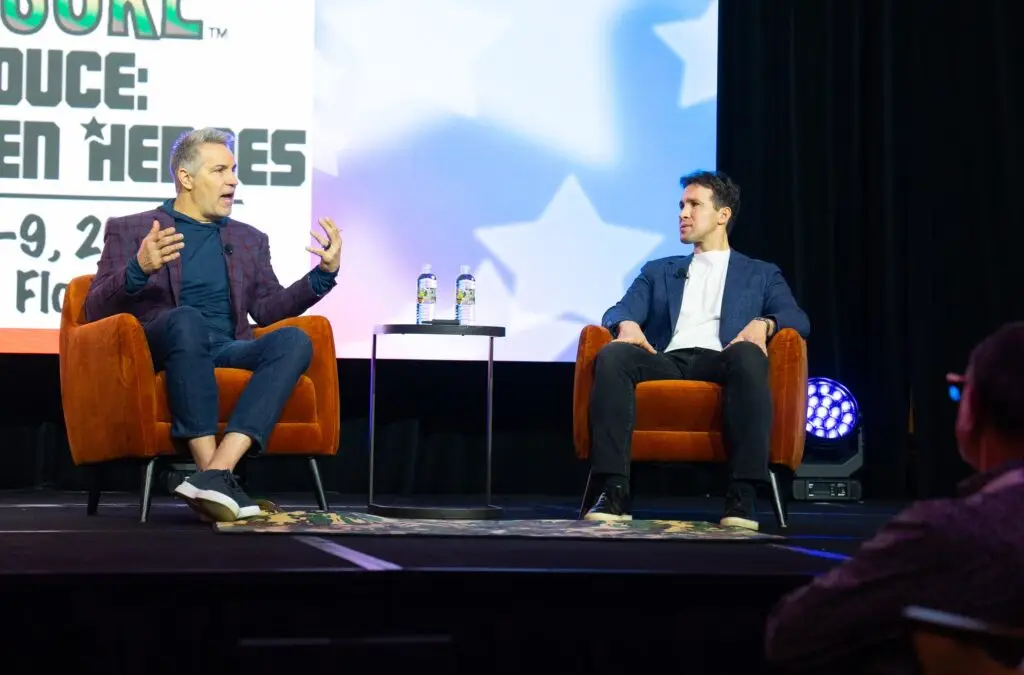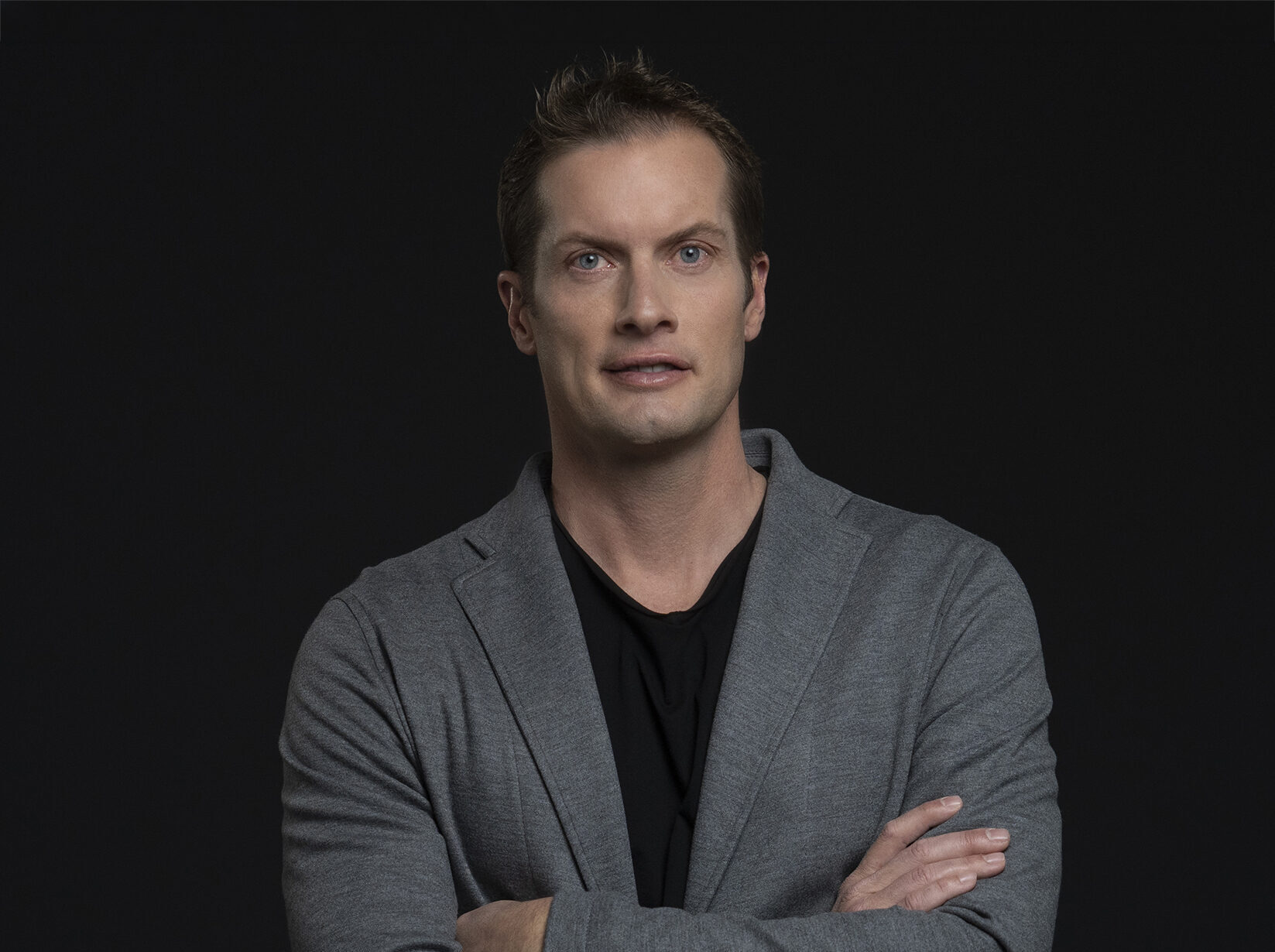

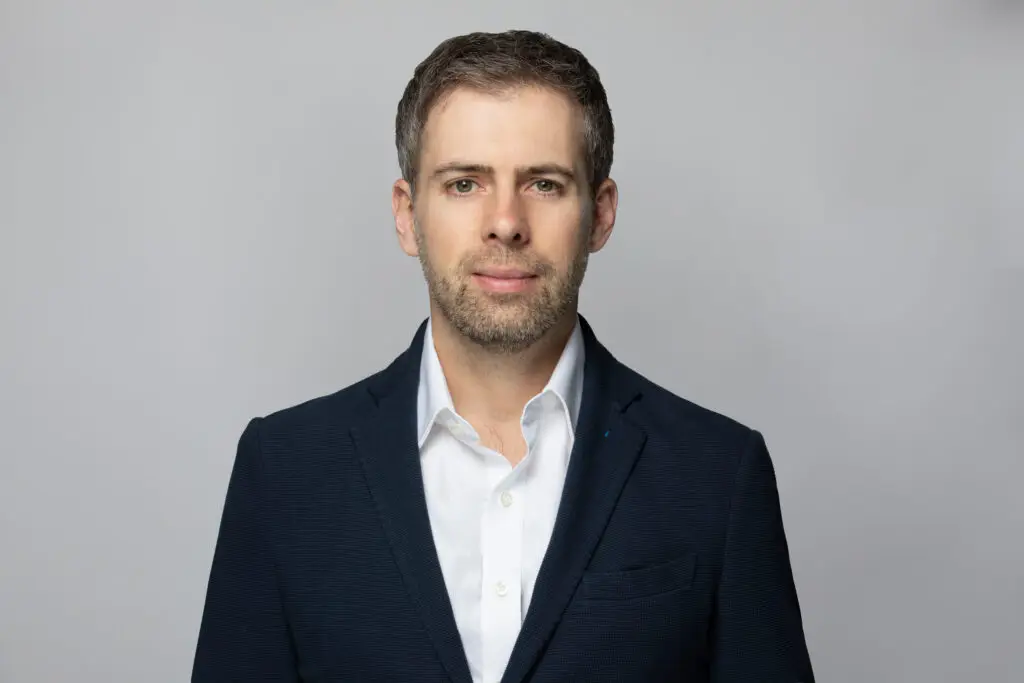
I recently went one-on-one with Oisin Hanrahan, co-founder and CEO of Keychain. Oisin is also the co-founder and former CEO of Handy and former CEO of Angi.
Adam: Thanks again for taking the time to share your advice. First things first, though, I am sure readers would love to learn more about you. How did you get here? What experiences, failures, setbacks, or challenges have been most instrumental to your growth?
Oisin: Before starting Keychain, I spent over a decade building Handy in the home services industry. The idea came from a question my co-founder, Umang Dua, and I were curious about during our time at Harvard Business School: why was it so hard to book a reliable home service when you could order almost anything else from your phone?
That question stuck with us. Home services is a massive, essential industry, yet it was incredibly disconnected and offline. We became obsessed with solving this, deciding to leave Harvard and build Handy to bring more structure and reliability to the space. We grew quickly, and in 2018, Handy was acquired by Angi. I became CEO of the combined business, and leading that transition was a really important moment in my career.
When I was ready to take on my next venture, I started to look at the consumer packaged goods (CPG) industry and saw a similar challenge. If you walk through a grocery store today and really look at the pasta or the coffee, you’ll see most of those products are not actually made by the brand on the box. Brands are outsourcing manufacturing, and retailers are building private label lines. And consumer preferences have multiplied: allergen-free, gluten-free, plant-based, high protein, you name it.
That shift created a huge manufacturing ecosystem. In the U.S. alone, there are hundreds of thousands of manufacturers producing billions of dollars in products. And yet, the process of finding the right manufacturing partner is largely offline and takes months, with them relying on trade shows, brokers, emails, and site visits. I recognized that it was a complex ecosystem with high stakes, limited visibility, and disconnected information. This is what led us to build Keychain and create a platform that united brands and retailers with manufacturers.
Adam: In your experience, what are the key steps to growing and scaling your business?
Oisin: Scaling a business is not an overnight success. You need to start by identifying and digging into the problem. You should be able to describe the pain point clearly and know exactly who it impacts. At Keychain, the problem was simple: CPG brands and retailers were struggling to find the right manufacturers.
If you don’t have that clarity, trying to grow just creates more confusion. So it’s important to know exactly what you want to solve, even if you don’t know how to solve it yet. As you build, keep in mind how your product or service impacts everyone involved, from customers to other businesses, and the broader industry. Thinking about your larger audience early on helps you anticipate problems more quickly and pivot when the market changes.
Adam: What is your best advice on building, leading, and managing teams?
Oisin: Set the standard yourself. If you want focus, be focused. If you want preparation, be prepared. People value and follow what they see more than what they’re told.
Adam: What are the most important trends in technology that leaders should be aware of and understand? What should they understand about them?
Oisin: AI is clearly one of the biggest shifts right now. But I think many leaders misunderstand where the real value sits. It’s not in automation, but in visibility. In any industry with a large amount of scattered information, whether that’s manufacturing, retail, or supply chain logistics, the real constraint has never just been labor, but a lack of connectivity. Data lives in different systems, inboxes, and formats. At Keychain, we think about AI as a way to structure that complexity and make the ecosystem connected for the first time.
Once you create that visibility across the system, you can identify bottlenecks earlier, see where risk is building, and spot opportunities faster. And that’s when speed and automation will come naturally. The companies that are winning are the ones applying technology to the friction points that truly slow them down, and not just speeding up surface-level features.
Adam: What do you believe are the defining qualities of an effective leader?
Oisin: Leaders should prioritize having a steady and strong mindset. Running a company is very different from a regular job–you have hundreds of things coming at you at once. Your team will watch how you react when things are uncertain, so if you stay measured and thoughtful, you’ll set the tone for success. And I think self-awareness is incredibly valuable. The strongest leaders understand where they’re effective and where they need support, so they know what kind of people they need to strengthen their organization.
Adam: How can leaders and aspiring leaders take their leadership skills to the next level?
Oisin: It’s all about staying close to the work and understanding how your teams actually function day-to-day. Even when you’re at the top, continue to ask questions and listen to your employees’ feedback.
Adam: What are your three best tips applicable to entrepreneurs, executives, and civic leaders?
Oisin: First, show people how you think about and solve problems. It builds credibility a lot faster than just telling people to “figure it out and fix it.” Second, make people feel like owners of their work. As you grow your team and your responsibilities, accountability needs to be distributed. That means giving people clear goals, real decision-making authority, and responsibility for outcomes. And third, reinforce your vision constantly. You can’t assume people fully understood the ask or truly heard it the first time. Repetition is crucial for ensuring everyone is on the same page, whether you’re leading a small startup or a large corporation.
Adam: What are your best tips on the topics of sales, marketing, and branding?
Oisin: Avoid overcomplicating the message–it shouldn’t be difficult to understand your mission. Especially in complex industries, the clearer and more straightforward you are, the more people will trust you. At the end of the day, simple language wins customers. As for branding, it’s all about consistency and trust. Your brand is built around how you show up and how you respond to your customers.
Adam: What is the single best piece of advice you have ever received?
Oisin: Don’t take shortcuts. Do the hard work of building something solid from the start. It’s tempting to chase quick wins or build new features just to show progress, but weak foundations always get exposed, so take the time to get your fundamentals down first.
Adam: Is there anything else you would like to share?
Oisin: Most of the systems that power our economy operate behind the scenes. When those systems improve, the effects ripple outward: innovation moves faster, decisions improve, and businesses operate more efficiently. The immediate impact may not always be visible, but it’s meaningful.