

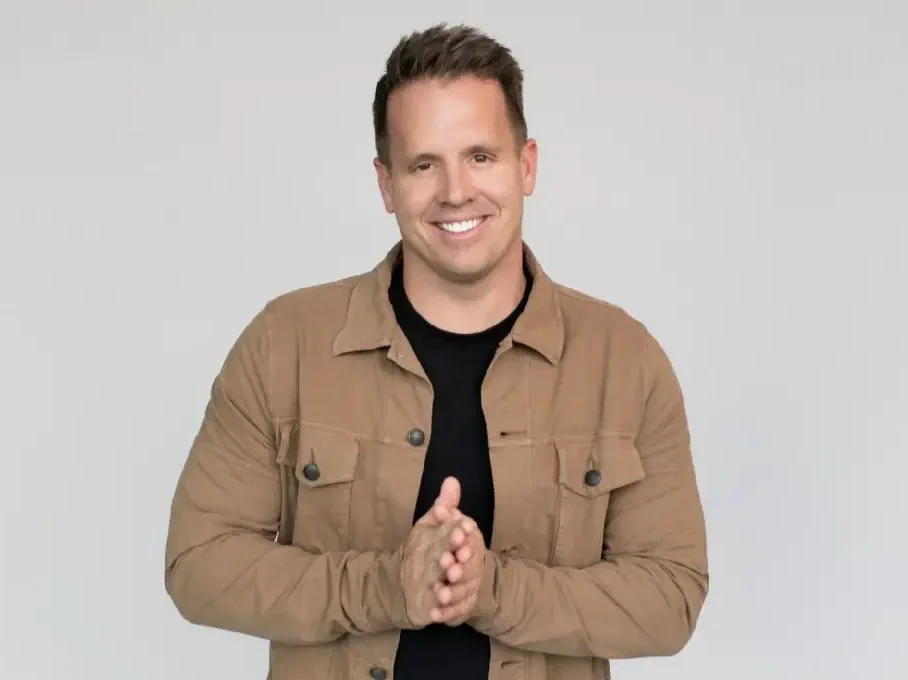
I recently went one-on-one with Steve Sonnenberg, founder and CEO of Awardco.
Adam: Thanks again for taking the time to share your advice. First things first, though, I am sure readers would love to learn more about you. How did you get here? What experiences, failures, setbacks, or challenges have been most instrumental to your growth?
Steve: I’m a husband, a dad, a longtime basketball guy, and an entrepreneur who has learned a lot the hard way. I started building companies early, including a business while I was still in college, and I had some early success that taught me how exciting growth can be. But the most instrumental part of my growth came through failure. In 2011, I got pulled into a broad civil suit connected to a prior business, all of my assets were frozen, and I ultimately had to file for bankruptcy. That season was brutal for my family and for me personally, but it forced me to rebuild with more discipline, more clarity, and a much stronger foundation. Out of that setback, I borrowed $5,000, bought Awardco.com, and started over. We didn’t take seed money, and for years, I worked on Awardco while keeping another job so I could reduce risk and think clearly. Looking back, the setbacks were the gift. They taught me resilience, patience, and how to build something that lasts instead of something that just grows fast for a minute.
Adam: How did you come up with your business idea? What advice do you have for others on how to come up with great ideas?
Steve: Awardco started with a very simple question: why were companies spending so much money on rewards people didn’t really want, when consumers were already being conditioned by Amazon to expect choice, convenience, and transparency? My cousin Mike and I wanted to create a points-based system tied to a world-class redemption experience, almost like a new motivational currency people could use globally. My advice is to look for outdated categories, bad user experiences, and places where people have quietly accepted friction as normal. Great ideas often come from asking better questions than everyone else is asking. Stay curious, challenge the status quo, and pay attention to what feels broken but widely tolerated.
Adam: How did you know your business idea was worth pursuing? What advice do you have on how to best test a business idea?
I didn’t know in some perfect, risk-free way. I knew enough to keep going. For me, testing the idea meant working on it for years before going all in, selling it in the early mornings and late nights, fulfilling orders manually, and learning where customers leaned in. It wasn’t scalable at first, but it was real, and real customer behavior teaches you more than theory ever will. My advice is to take what I call a quality chance. Don’t confuse recklessness with courage. Reduce the risk where you can, keep learning, and test whether customers actually care enough to change behavior, spend money, or champion the idea internally. If the idea keeps solving a real problem and the pull from the market keeps growing, that’s your signal to lean in harder.
Adam: What are the key steps you have taken to grow your business? What advice do you have for others on how to take their businesses to the next level?
Steve: A few things mattered a lot for us. First, we stayed disciplined. We didn’t raise seed money early, and that forced us to be careful with our decisions. Second, we stayed stubborn on the vision but flexible on the approach. Amazon initially pushed back on what we were building, but we stayed patient, kept refining the model, and eventually built a real partnership with Amazon Business that helped us scale. Third, we kept expanding the value we delivered to customers. What started as modernizing rewards and recognition grew into a broader platform that helps organizations drive culture, performance, retention, and engagement. If you want to take a business to the next level, build around a real customer need, stay close to the product, and keep learning faster than the market changes. Growth usually comes from disciplined execution layered on top of a clear point of view.
Adam: What are your best sales and marketing tips?
Steve: My biggest sales lesson is this: make people feel safe. Buyers don’t want a feature dump. They want to feel understood. The best sellers know the customer’s story, know the personas, and can show exactly how the experience will look for that buyer instead of staying generic. On the marketing side, I believe great products still need great stories. You have to translate capability into relevance. Whether you’re selling or marketing, specificity wins. Tell the right story to the right person at the right level of detail. And one more thing: ask for referrals more often than feels comfortable. If you truly helped a customer, introducing you to someone else is not a burden—it’s often a favor to their network.
Adam: In your experience, what are the defining qualities of an effective leader? How can leaders and aspiring leaders take their leadership skills to the next level?
Steve: For me, the defining quality is curiosity. Curious leaders keep learning, keep questioning assumptions, and keep adapting. I also think effective leaders are resilient, open to other people’s ideas, and willing to challenge the status quo instead of protecting it. If someone wants to become a better leader, I’d tell them to create time to think, learn, and listen. Too many leaders are so busy performing leadership that they stop doing the work required to grow as a leader. The future belongs to leaders who are perpetual learners and who can build teams stronger than their own individual perspective.
Adam: What is your best advice on building, leading, and managing teams?
Steve: Great teams are built on clarity, trust, and accountability, and in that order. First, people need clarity. Most team problems are not talent problems; they’re alignment problems. Everyone should know the mission, what winning looks like, and how their role contributes to the bigger picture. If people are unclear, even highly capable teams drift. Second, trust matters more than control. As a leader, my job is not to have all the answers; it’s to create an environment where great people can do their best work. I try to hire people smarter than me in their area, empower them, and avoid micromanaging. The best teams move fast because they trust each other. Third, accountability has to be consistent. High-performing cultures are kind, but they’re also honest. You can’t tolerate mediocrity or confusion for too long. Clear expectations, regular feedback, and ownership create momentum. I also believe leaders should spend less time managing tasks and more time building energy and alignment. People want to feel connected to purpose, challenged to grow, and recognized for contributions. When you get culture right, performance follows.
Adam: What are your three best tips applicable to entrepreneurs, executives, and civic leaders?
Steve:
- Stay curious. Curiosity is one of the few advantages that compounds over time because it keeps you learning and adapting.
- Take quality chances. Boldness matters, but disciplined boldness matters more.
- Challenge the status quo without becoming cynical. The goal isn’t to tear things down for sport; it’s to build something better for the people you serve.
Adam: What is the single best piece of advice you have ever received?
Steve: Stay stubborn on the vision, but flexible on the approach. That mindset helped me keep moving when the path didn’t look the way I expected, and I think it applies to almost every meaningful thing you try to build.
Adam: Is there anything else you would like to share?
Steve: I’d just say this: recognition is not a soft idea or a check-the-box initiative. When it’s done well, it becomes a strategic lever for performance, retention, and growth. The organizations that understand how to make people feel seen, valued, and connected are going to have a real competitive advantage in the years ahead.