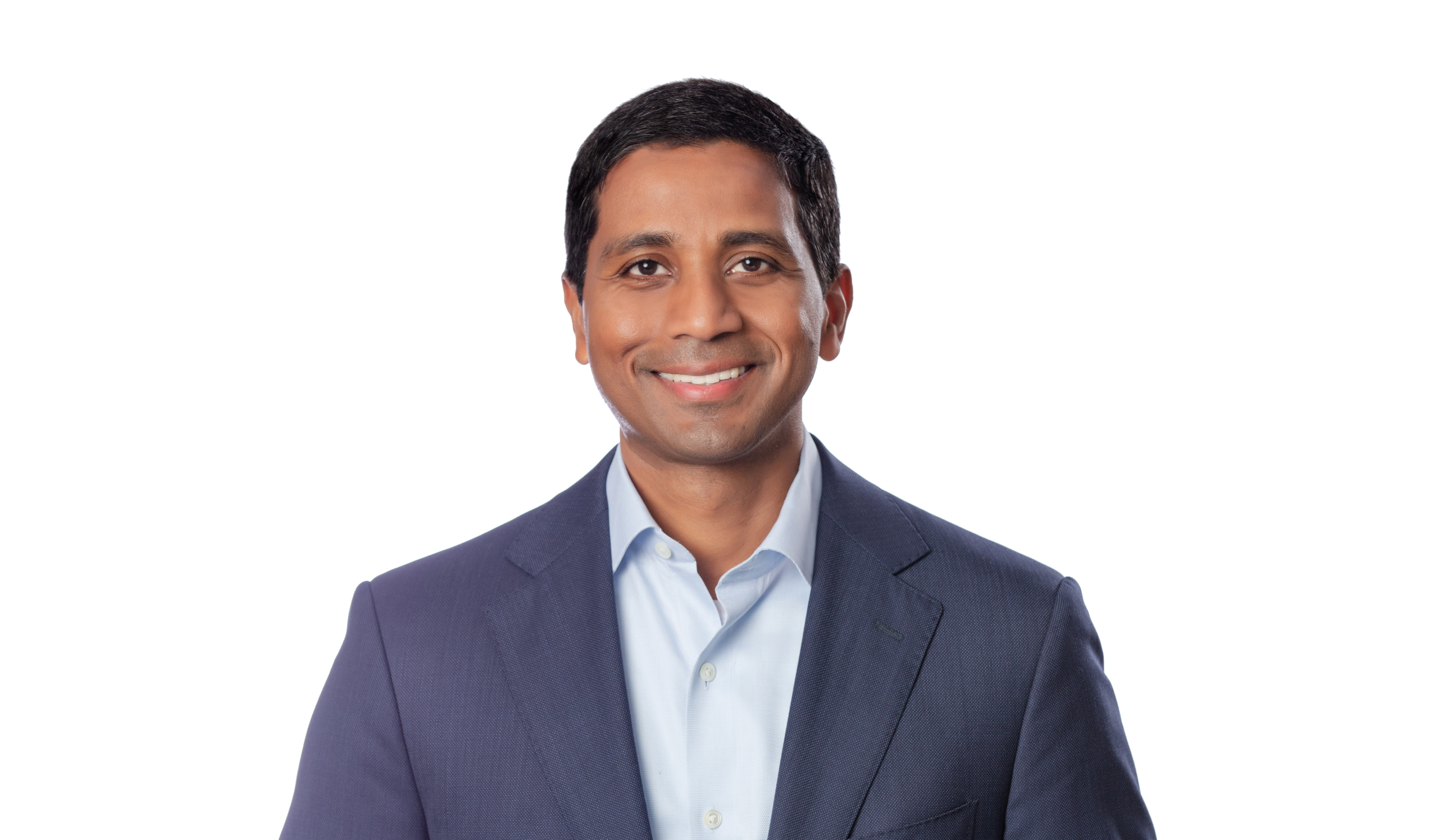

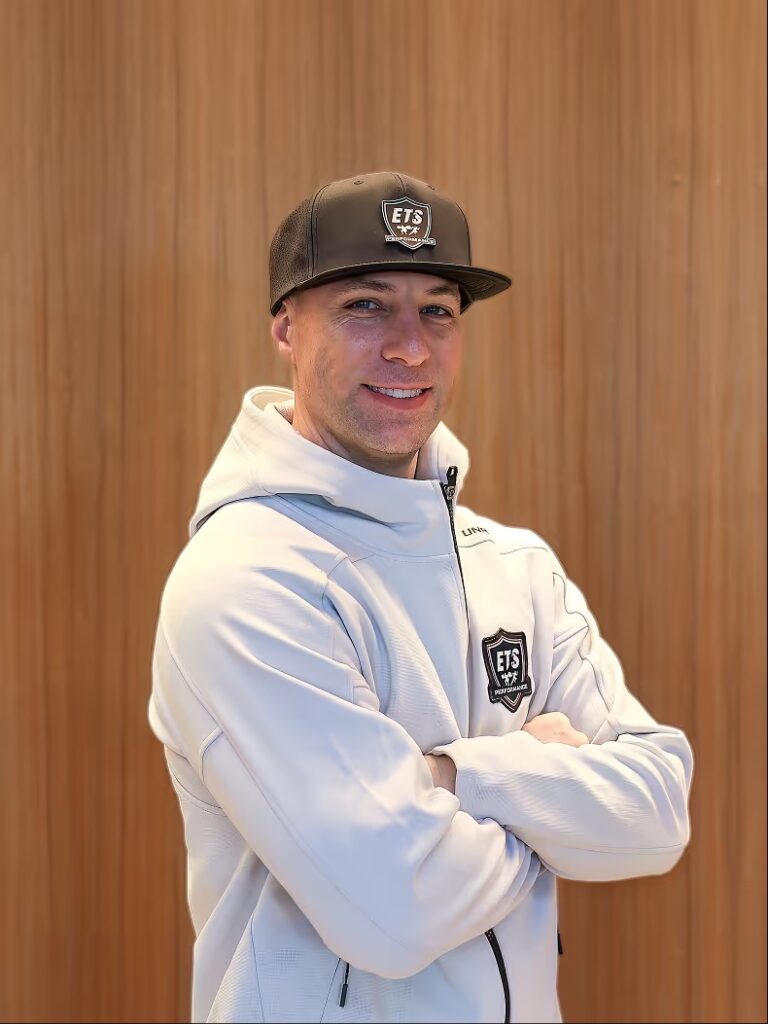
I recently went one-on-one with Jed Schmidt, CEO of ETS Performance.
Adam: Thanks again for taking the time to share your advice. First things first, though, I am sure readers would love to learn more about you. How did you get here? What experiences, failures, setbacks, or challenges have been most instrumental to your growth?
Jed: I took an unconventional path in my career. I elected not to go to college and instead to self-study to start my career out of high school. I pursued a career in technology where I certified myself in several areas to catch a break in the technology industry. There, I focused on telecommunications and eventually in software, which was a blessing. Then, I got to move around the country, and technology connected me to fitness and franchising. I was fortunate enough to meet my wife early, and we started a family right after we married. Support and alignment from her were critical on our journey, especially moving our family across the country multiple times from Iowa to Arizona to Colorado to Minnesota. While in Colorado and working for a software company, I had the opportunity to work in the NFL, MLB, NBA, and NHL and was exposed to some amazing people and opportunities.
There was a parallel path in my career, and I went down a real estate journey that created a great deal of stress and hardship due to the 2008 real estate bubble. It took me a long time to recover from that, and although the timing had a lot to do with it, it was one of the greatest failures of my life, teaching me a lot about myself, faith, and risk tolerance. I’ve been able to apply this to future business ventures to better protect myself, my family and the business. I ultimately took the opportunity to work with the Anytime Fitness founders in Minnesota, where I spent seven years in franchise leadership with Purpose Brands, the company behind Anytime Fitness, The Bar Method and Waxing the City.
I wanted to own a company in the future, and investing time learning from the best on mastering franchising and product distribution would ultimately help me find my own product or create my own brand. After helping grow multiple brands in the Purpose Brands portfolio, I decided it was time to venture out and create or find a concept that I loved and was passionate about. Sports and coaching have always been a huge part of my life, and so has youth development. I came across ETS Performance, that happened to be founded and headquartered in the same city that I lived, and made an amazing connection with the founder. We decided to join forces to grow and scale the brand together. My wife and I elected to have her stay home with our kids after our first daughter was born more than 21 years ago. Having a single income is always a hard decision, but we looked at it as an investment in our family and future. She did, and continues to do an amazing job, as my kids have turned out better than I could have imagined.
The biggest hardship personally, and in our family’s lives, was when my son was diagnosed with Type 1 diabetes at eight years old. I’ve never been more inspired by a human being. I’ve witnessed him take a very difficult hand dealt and turn it into a superpower. Type 1 is an undereducated health condition invisible to most people yet life-threatening daily, and I give a lot of credit and admiration to him and my wife for the sacrifices they make to help manage this situation. Equally, my son lives with it on a day-to-day basis and never makes it an excuse or a reason that he can’t do something. He has a contagious personality and is one of the happiest and most mature humans that I know.
A lot of credit also goes to my daughters who have been a part of this journey. They’re a great support system and help to our family. On the business side, any successful journey is connected to multiple setbacks. I touched on real estate already, but I’ve had several ideas that didn’t materialize throughout my 30-year career. The real lesson in all of that is to find the thing that you are most passionate about, and if you’d do it for free, then go all in.
Adam: In your experience, what are the key steps to growing and scaling your business?
Jed: The root of growing and scaling a business starts with the product. You must have a great product that solves a key problem that people are loyally passionate about. Next is the people. We have been, and continue to be, fiercely disciplined about the people we bring into this business. The people that run our locations ultimately are the product. They are the ones who bring our product to life.
Next comes systems that allow you to drive efficiency, increase revenue, and reduce cost. Those areas are key in your ability to scale a company. We have developed some powerful systems that allow us to educate our people on our systems, methods, and culture, enabling and empowering them to bring the ETS culture to a new market, so every location feels the same. But we ensure autonomy for our people, so their own personality and authenticity connects with our customers.
A critical but often overlooked component to successfully growing and scaling a business is having alignment at the ownership and leadership level. Ensuring that everyone has a direct connection to the mission, vision and values, and everyone is rowing in the same direction with effective communication. This is critical to the success of a growing organization.
Adam: What are your best tips on the topics of sales, marketing, and branding?
Jed: Honestly, the best marketing we’ve got isn’t marketing: it’s results. Getting an athlete faster, staying dynamic and healthy on the field, or even picking up a scholarship offer. However, one of the most overlooked components of success in our business is character development of young athletes. As much as everyone wants to become a D1 athlete, some of the most important learnings include a firm handshake, great eye contact, positive attitude, hundred percent effort, and being disciplined and committed to achieving their goals. Those are life skills and ancillary benefits. Additionally, families tell other families about us before we ever run an ad. If you’re spending more time talking about your results than producing them, you’ve got it backwards, and that’s true no matter what you sell.
People buy from people, not from a logo. Our strongest facility directors know the parents’ names, not just the athletes’. If you’re building a brand, put a real person and story in front of it instead of hiding behind a mission statement. We’re built around long-term development, not short-term hype. There’s plenty of tactics that would get us quick attention, but that’s not us. That restraint ends up being its own kind of brand.
Adam: What do you believe are the defining qualities of an effective leader?
Jed: If I had to pick one thing, it’s emotional intelligence (EQ). I’ve worked with plenty of people who were great at their craft, but terrible at leading anyone. Their ceiling was always lower than it should’ve been as a result. The leaders I trust measure themselves by whether the person next to them is getting better, not just whether this quarter’s numbers look good. Playing sports and coaching taught me that before business did. Yes, a scoreboard tells you who won, but it doesn’t tell you whether you developed anybody.
Right behind that is consistency: showing up the same way at a Tuesday practice as you do on game day, or on a hard day at the office the same way you do on an easy one. People notice that more than any speech you’ll ever give.
The last piece is authenticity. We track a lot of numbers at ETS (injury data, readiness scores, business metrics), partly so a decision doesn’t live or die on a gut feeling. Good leaders don’t just say things that other people want to hear or agree with something because it’s easy. Great leaders are authentic and believe everything that they say with passion and conviction.
Adam: How can leaders and aspiring leaders take their leadership skills to the next level?
Jed: Check your ego at the door. Don’t ask someone to do something that you wouldn’t be willing to do yourself. Flip the idea of an org chart upside down. A leader is not a dictator. A true leader serves the people that report to them. When you have the mindset that you are there as a leader to empower those who report to you, your focus of how you spend your time changes dramatically. Your position should not be thought of as a position of authority. It’s a position of empowerment, and your time should be spent enabling your employees to be more productive, more efficient, and provide a better product or service.
Also, be curious and coachable. Be okay with feedback you don’t want to hear. We built a lot of measurement into ETS because grit and gut instinct alone stops working past a certain size. Leadership is the same way: the more honestly you can look at yourself, the faster you grow.
Adam: What are your three best tips applicable to entrepreneurs, executives, and civic leaders?
Jed: Zoom out. Growth is never the actual goal; it’s about impact. It’s tempting to chase whatever’s loud right now. The people who last are anchored to something that doesn’t shift every time the market does, and growth is the byproduct of doing the right things consistently.
Hire people who are better than you at the things you’re not good at, and then actually let them run it. I’ve watched plenty of leaders stall their own company because they couldn’t let go of being the smartest person in a room they didn’t need to be in.
Put your faith and your family ahead of the business, even on the days the business is loudly asking you not to. That one’s simple to say and easy to lose sight of once things start growing. Discipline, hard work, and respect are the same three things I tried to instill in every kid I ever coached, and they’ve carried into how I try to run a company and raise my own kids.
Adam: What is your best advice on building, leading, and managing teams?
Jed: Hire for character and emotional intelligence over skill. You can teach someone a system or a method. It’s a lot harder to teach someone how to take feedback or treat people well. Some of our best facility directors weren’t the most polished coaches walking in the door; they just had the right heart to do the right thing and can learn the rest.
Empower. Give people something that’s theirs, not just a task list. The directors who build the strongest cultures talk about their location as their own business, not a location they’re managing for somebody else. We build that into the structure instead of just saying it in a meeting.
Understand the why. A team that understands what they’re playing for will make the right call in the moment you’re not there for it, whether that’s a business team, football team, or your own kids at the dinner table.
Adam: What is the single best piece of advice you have ever received?
Jed: Pray about it. Life has a funny way of making you feel in control. When the ground feels unsteady, the walls are closing in, or you lack clarity in an important decision, pause and pray about it. You don’t have to solve all the world’s problems or answer every question. Asking God for help, guidance, wisdom, and clarity is the best advice I’ve ever received. You must be willing to listen and have patience to hear the answer.
My wife has been everything through the process. She can feel my energy, positive or negative, and understands that I’m ambitious and motivated. She also provides the advice needed when it’s time to hit the pause button and talk to God about it.
Adam: Is there anything else you would like to share?
Jed: The most important thing I’ve learned through my career is that life comes in phases. There’s a practice phase and a game phase. Sometimes your practice phase may be longer than you want it to be. For me, it was nearly 25 years and then the opportunity came to start the game. I realize now that the 25 years of preparation before my number was called gave me a level of wisdom to lead that I just wouldn’t have had. I needed that training to see around the corners. During my training process, I didn’t know what God had in store for me next, but I had ambition, drive, determination and commitment to press forward and invest in myself. Eventually, the perfect opportunity presented itself, and I’ve learned and poured into a company that I love, with people that I trust and respect.