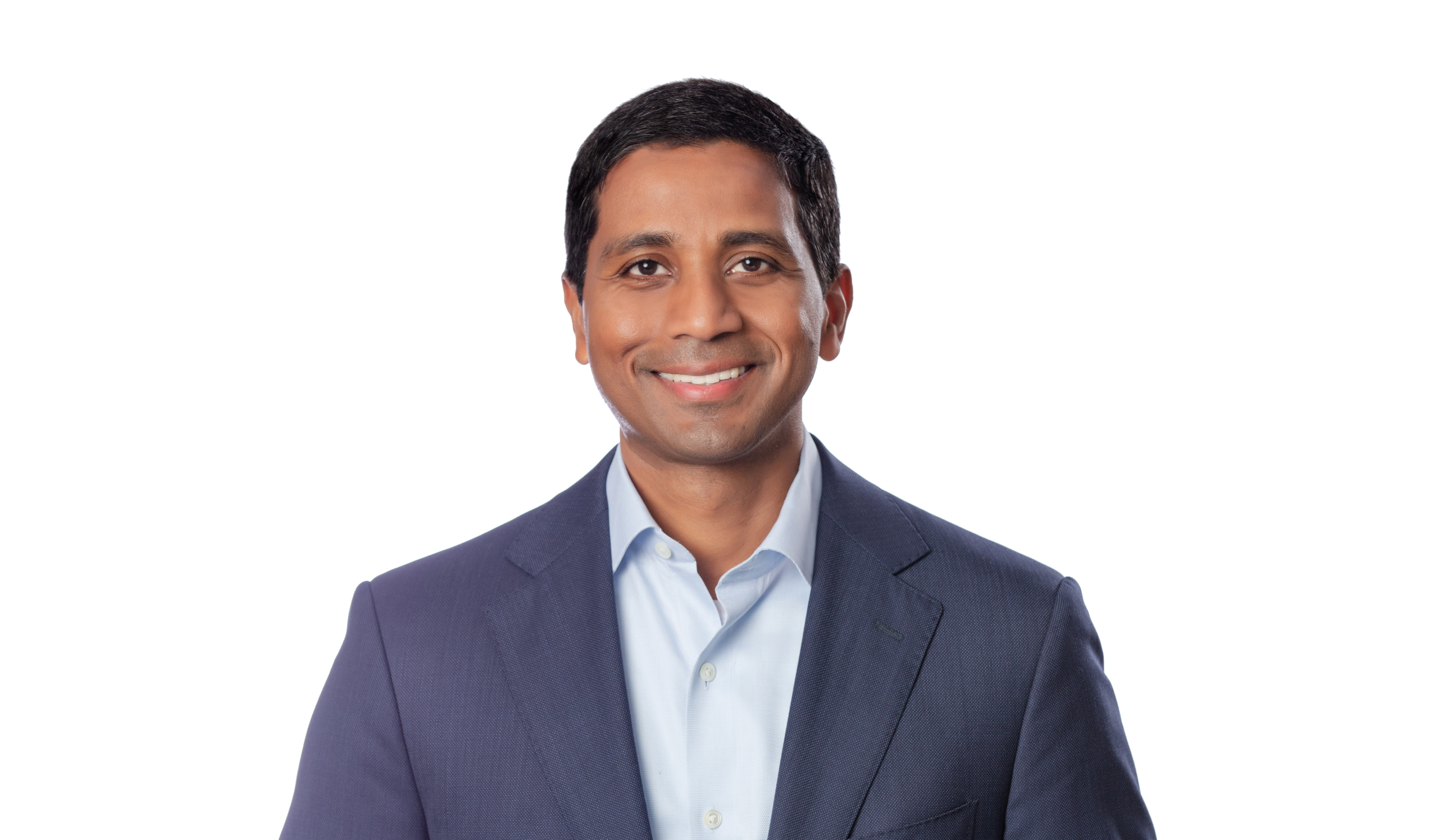


I recently went one-on-one with Danielle Mikesell, Chief Commercial Officer of Cabinetworks Group. Danielle was the Chief Marketing Officer of Cabinetworks Group at the time of the interview.
Adam: Thanks again for taking the time to share your advice. First things first, though, I am sure readers would love to learn more about you. How did you get here? What experiences, failures, setbacks, or challenges have been most instrumental to your growth?
Danielle: My leadership journey really started long before my career did. Something a lot of people don’t know about me is that I didn’t walk until I was six years old. I was born with dislocated hips, and throughout my childhood I had nine surgeries. At one point I spent months in a full-body cast. My mom used to tell the story that while most kids would have been frustrated or discouraged, I instead would lay on the kitchen floor making up games and finding ways to entertain myself. I didn’t complain. I adapted.
Looking back, I can see how much those early experiences fundamentally shaped the way I approach life. I’ve never viewed obstacles as reasons to stop. I tend to see them as puzzles waiting to be solved. That mindset has carried into every role I’ve held. Whether I’m working in marketing, sales, or broader corporate strategy, I’m always looking at how the pieces fit together. And the most important pieces are always people. Everyone has strengths that may not be fully discovered or fully used yet, and I genuinely enjoy helping people see where they can create the greatest value. When people are operating in their strengths, extraordinary things happen.
I’ve also learned that leadership doesn’t begin once you reach a certain title. It starts much earlier than that. It starts with how you lead yourself. Throughout my career, I’ve been intentional about investing in my own growth: learning my craft, surrounding myself with people who challenge me, taking care of my physical and mental health, and continuing to ask how I can become a better leader tomorrow than I am today. And most importantly, I am constantly seeking out ways to make a meaningful difference in the lives of people around me and create tangible value in organizations where I work.
I’ve definitely made mistakes along the way. I’ve taken roles where I didn’t have all the answers. I’ve said yes to responsibilities that stretched me beyond what felt comfortable. But those are usually the moments that create the greatest growth, because confidence doesn’t come from waiting until you’re ready. It comes from stepping forward anyway. One of the greatest lessons I’ve learned is that influence isn’t meant to stop with us. Every opportunity we’re given is ultimately an opportunity to help someone else grow. That has become one of the defining purposes of my career.
Adam: What are three things everyone should understand about marketing?
Danielle: First, marketing is about solving a real need in the marketplace. People often think of marketing as advertising or branding, but strong marketing starts much earlier. It begins with understanding customers deeply—what they need, what motivates them, what challenges they’re trying to solve—and then creating solutions that actually make their lives or organizations better. When you create value for customers, you create value for your business.
Second, marketing is both creative and deeply analytical. Some people think it’s all about the creative work, and others think it’s all about the data. The truth is you need both. You have to understand financial performance, manufacturing costs, pricing, consumer behavior, market trends, and business strategy while also telling stories that inspire people to act. The best marketers can move comfortably between a spreadsheet and a creative brainstorming session, because both are necessary to create meaningful results.
Third, marketing only works when the entire organization believes the same value proposition. You can’t just have a story or a tagline. You must ensure everyone believes in what you are offering your customer. That is how you get everyone pulling in the same direction. One of the biggest misconceptions is that marketing owns the brand. It doesn’t. Every employee owns the brand.
Marketing may define the promise, but manufacturing fulfills it. Sales communicates it. Customer service reinforces it. Leadership has to live it. If your employees don’t understand why your company matters, your customers won’t either. Internal alignment matters just as much as external messaging because every interaction either strengthens or weakens the brand you’ve worked so hard to build.
Adam: What are three things people who work in marketing should understand?
Danielle: The first is curiosity. The best marketers I’ve ever worked with are endlessly curious. They aren’t satisfied knowing what happened. They want to understand why people think the way they do, why customers make certain decisions, and why markets shift over time. Qualitative and quantitative research both matter. Data tells you what happened. Conversations help you understand why. And the gold lies within narrow margins between both the data and the voices. Listening for what others often miss is critical to becoming successful in marketing.
Second, marketing isn’t about making things look good. It’s about driving business results. You must understand profit margins, market share, pricing strategy, customer lifetime value, and return on investment just as well as you understand messaging or design.
Finally, learn to communicate internally just as effectively as you communicate externally. Some of the best marketing campaigns fail because employees never fully understood them. Before customers can believe your message, your own people have to believe it. When employees understand what makes your company or brands different, they become ambassadors, not just employees. That’s when marketing becomes much bigger than campaigns. It becomes a driving force behind the culture of the company.
Adam: What is your best advice on building, leading, and managing teams?
Danielle: I believe leadership begins with leading yourself well. We spend a lot of time talking about how to lead other people, but we can’t overlook the work it takes to lead ourselves well. Our teams will rarely rise above the example we set. That means continuing to grow your expertise, protecting your energy, infusing a culture of excellence, strengthening your emotional resilience, and staying connected to your purpose. Leadership isn’t about perfection. It’s about stewardship. It’s taking responsibility for the gifts, opportunities, and influence you’ve been given and growing them over time. Once you start there, leadership becomes less about managing people and more about multiplying people.
I intentionally hire people who are stronger than I am in different areas, because organizations get better when leaders create space for others to thrive. One of my favorite parts of leadership is helping people discover strengths they didn’t even realize they had. Sometimes people just need someone to believe in them before they can fully believe in themselves.
I also believe vision matters tremendously. People don’t just want a list of tasks. They want to understand the purpose behind the work. When leaders communicate where they’re going and why it matters, people start contributing ideas instead of simply completing assignments. My goal has never been to build followers. My goal is to develop leaders who will eventually surpass me. That excites me more than anything else I do and that’s how influence multiplies.
Adam: In your experience, what are the defining qualities of an effective leader?
Danielle: Character is non-negotiable. You can be incredibly talented, but without integrity, people eventually stop trusting you. Leadership is built on trust, and trust is earned through consistent character.
The second quality is courage. Leadership requires you to make decisions before you have every answer. It requires hard conversations. It requires choosing what’s right over what’s comfortable.
The third is humility. The best leaders never stop learning. They actively seek feedback, surround themselves with people who challenge them, and remain teachable regardless of how much success they’ve had.
And, finally, effective leaders create value. Leadership isn’t measured by intentions or titles. It’s measured by what you’re able to produce through other people.
Adam: How can leaders and aspiring leaders take their leadership skills to the next level?
Danielle: Put yourself in rooms where you’re uncomfortable. If you’re always the most experienced or knowledgeable person in the room, you’ve probably stopped growing. Some of the greatest opportunities in my career came because I surrounded myself with people who challenged my thinking.
I also believe every leader should be doing two things at the same time: learning from people who you admire and then intentionally investing in someone else’s life. Success isn’t complete until it’s shared with others.
Another lesson I’ve learned is to stop waiting for permission. So many talented people spend years believing they need another certification, another promotion, or another title before they can lead. But the truth is, leadership starts wherever you are. Influence has very little to do with position or title. People follow leaders who create value, build trust, and help others succeed. The title usually catches up later.
Adam: What are the most important trends in technology that leaders should be aware of and understand? What should they understand about them?
Danielle: I never thought I’d say this, but AI is becoming one of the most important tools leaders can learn to use well. The people who understand how to leverage technology to improve decision-making, eliminate repetitive work, increase creativity, and create more value will have a tremendous advantage. But technology has to remain a tool, not the leader. Discernment still matters. Wisdom still matters. Relationships still matter. Empathy still matters. The companies that thrive won’t simply be the ones that adopt new technology the fastest. They’ll be the ones that combine technology with deeply human leadership. Technology can process information, but only people can truly inspire the human heart. Technology should free us to spend more time doing the uniquely human work that changes lives.
Adam: What are your three best tips applicable to entrepreneurs, executives, and civic leaders?
Danielle: First, embrace pressure. It’s not your enemy. A lot of times, it reveals your greatest potential. Almost every significant opportunity I’ve been given came with responsibility that felt overwhelming at first. Growth almost always lives on the other side of discomfort.
Second, never stop learning. Read books. Study industries outside your own. Listen to podcasts. Seek mentors. Everyone has experiences and perspectives that can teach you something if you’re willing to listen.
Finally, live intentionally. Don’t drift through life hoping success happens. Decide what kind of leader you want to become. Understand where you create the most value. Go after difficult opportunities and help other people succeed along the way. When your success becomes connected to someone else’s growth, your leadership begins creating legacy, not just achievement.
Adam: What is the single best piece of advice you have ever received?
Danielle: “Do it anyway.” It’s incredibly simple. It’s also incredibly powerful. Are you scared? Do it anyway. Do you feel underqualified? Do it anyway. Do you think someone else could do it better? Do it anyway. Almost every meaningful opportunity in my life required me to step forward before I felt completely prepared. I’ve learned that courage isn’t the absence of fear. It’s choosing action even when fear is there
When someone early in their career takes a thoughtful risk and it doesn’t work, I actually see that as growth. Mistakes create wisdom. Comfort rarely does. When you look back on your life, you probably won’t regret the things you tried. You’ll regret the opportunities you talked yourself out of pursuing.
Adam: Is there anything else you would like to share?
Danielle: I believe every person has influence. The question isn’t whether you have it. The question is whether you’re using it. Too often, we wait for a bigger title, more experience, or someone else’s permission before we step fully into leadership. I’ve learned that’s backwards. Leadership begins with faithfully using the influence you already have and using it well.
At the end of our careers, people won’t remember our job titles nearly as much as they’ll remember how we made them feel, how we believed in them, and whether we helped them become more than they thought they could be. That’s the kind of leadership that lasts long after you’re gone.