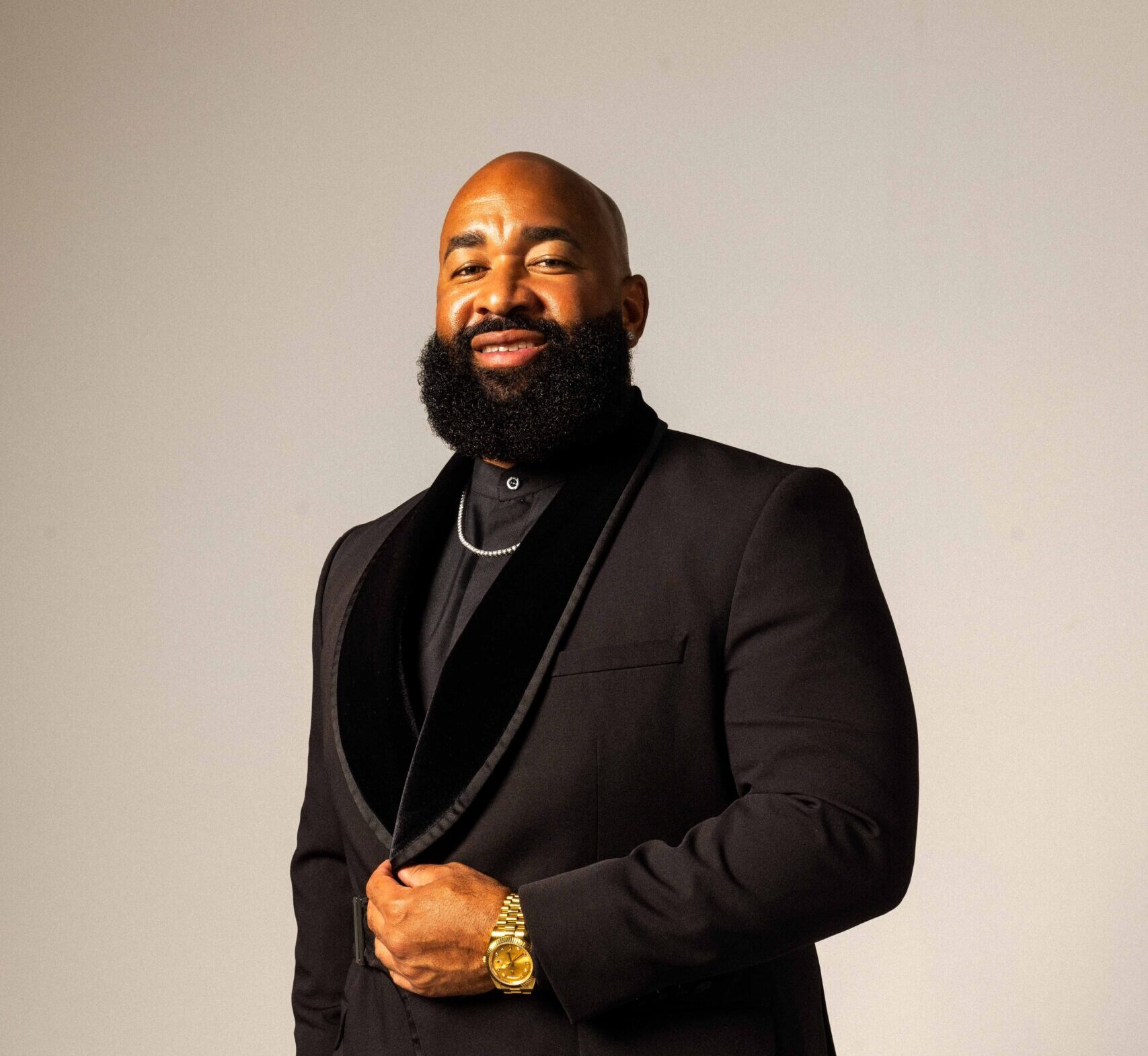

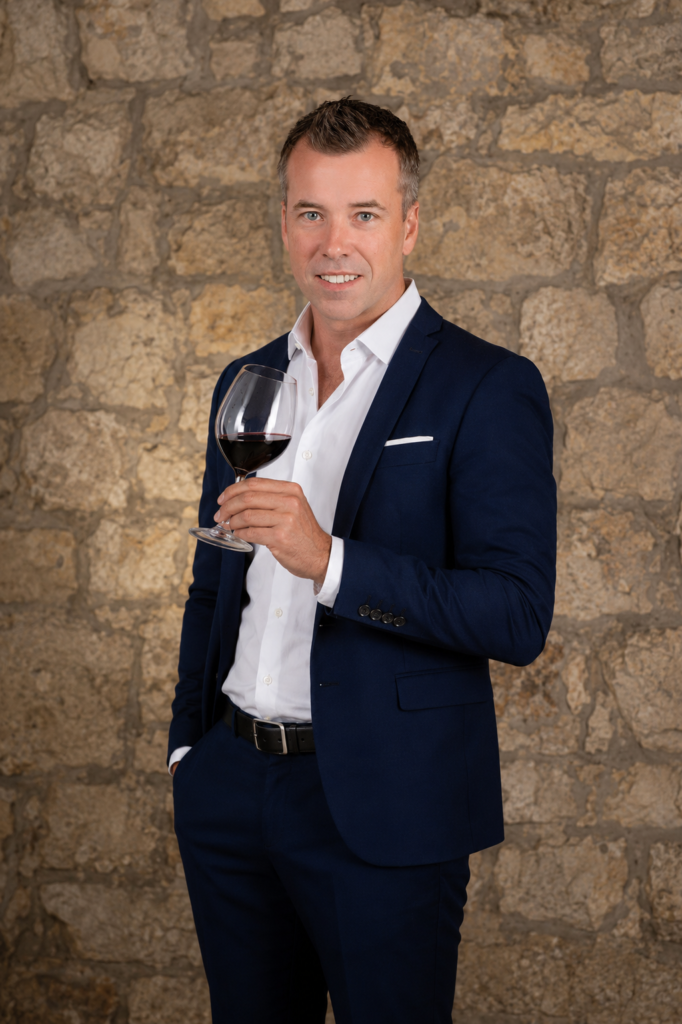
I recently went one-on-one with Rob Gelwicks, CEO of Zonin 1821 Americas.
Adam: Thanks again for taking the time to share your advice. First things first, though, I am sure readers would love to learn more about you. How did you get here? What experiences, failures, setbacks, or challenges have been most instrumental to your growth?
Rob: I’ve had my share of successes and failures, and I’ve probably learned more from the failures. I’ve been laid off, and I’ve worked for a startup that ultimately didn’t succeed. Being laid off taught me an important lesson: don’t tie your identity to your title. When the title disappears, what remains are the skills you’ve developed, the relationships you’ve built, and the reputation you’ve earned.
The startup taught me something equally important about ownership and accountability. When you don’t have the resources or infrastructure of a large organization behind you, you learn to take responsibility, make decisions, and find ways to get things done. I’ve carried those lessons into every role since, including my responsibility today for ZONIN1821’s business across the Americas. It has been these learnings that have shaped how I approach challenges, evaluate opportunities, and lead people.
Adam: In your experience, what are the key steps to growing and scaling your business?
Rob: The objective shouldn’t be growth for the sake of growth. It’s about building a business that is profitable, scalable, and positioned for long-term success. One of the biggest mistakes companies make is sacrificing financial discipline in pursuit of expansion. For me, three things matter most.
First, build the right team. You need people who understand the business, take ownership, and can grow alongside it. The strength of your organization ultimately determines how far you can scale.
Second, understand your economics. In our industry, that means knowing what you earn on every case before deciding how many more cases you want to sell. Revenue growth means very little if it doesn’t translate into sustainable profitability.
Third, choose the right partners. Whether you’re expanding into new markets or building distribution, no organization can do everything exceptionally well. You need partners who complement your capabilities, share your objectives, and understand what success looks like for both sides. Managing a business across the Americas reinforces the importance of all three. Different markets present different challenges, but the fundamentals of disciplined, sustainable growth remain the same.
Adam: What are your best tips on the topics of sales, marketing, and branding?
Rob: I’ve come to believe that sales, marketing, and branding shouldn’t operate as separate functions. They’re interconnected, and ultimately, everyone in an organization contributes to the customer experience. The person shipping an order, answering a customer’s call, or designing a label all influence how a business and its brands are perceived.
In sales, understand your customer’s business. Before asking a buyer for anything, I want to understand what they’re trying to accomplish and what success looks like from their perspective. The strongest commercial relationships are built when both sides benefit.
In marketing, connect creativity to commercial reality. I’ve seen impressive marketing programs that looked great on paper but offered little practical value to the sales organization. Effective marketing should build consumer demand, strengthen brand relevance, and give commercial teams the tools they need to succeed.
In branding, authenticity matters. A brand needs to be true to its product, brand purpose, heritage, and the people behind it, and most importantly, positively impact its target consumer. This is particularly true in wine and spirits, where consumers are increasingly interested in what makes a brand distinctive. You can’t manufacture authenticity through advertising, and when the story doesn’t match the product or a brand doesn’t live up to its promise, consumers eventually recognize it. The most successful businesses understand how to bring all three disciplines together.
Adam: What do you believe are the defining qualities of an effective leader?
Rob: For me, effective leadership begins with accountability. When something goes wrong, the leader needs to own it. That establishes trust, and without trust, it’s difficult to build a high-performing team. The second quality is clarity. People need to understand where the organization is going, what’s expected of them, and how their contributions fit into “the bigger picture.” That doesn’t mean a leader needs to have every answer. In fact, some of the best decisions come from listening to people who know more than you do about a particular subject.
I also believe leaders need to remain steady when things get difficult. Teams pay attention to how their leaders respond to setbacks, uncertainty, and pressure. Finally, and perhaps most importantly, you need to remember that you’re leading people, not just managing performance. Everyone has challenges outside the workplace, and taking the time to understand your team as individuals makes a tremendous difference. Accountability, clarity, humility, and empathy aren’t competing qualities. The best leaders find ways to demonstrate all four both consecutively and consistently.
Adam: How can leaders and aspiring leaders take their leadership skills to the next level?
Rob: I think leadership development begins when you’re willing to get uncomfortable. Take assignments that stretch your capabilities, expose yourself to different parts of the business, and surround yourself with people who challenge your thinking. Some of the most valuable lessons come from situations where you don’t have all the answers.
Equally important is being open to honest feedback, particularly about how you work with people. Earlier in my career, some of the most meaningful feedback I received had very little to do with the commercial results I was delivering and everything to do with my leadership style. It wasn’t always easy to hear, but it fundamentally changed how I approached managing teams.
I’d also encourage aspiring leaders to spend time understanding functions beyond their own. Whether it’s finance, operations, marketing, or sales, the broader your perspective, the better equipped you are to make decisions that benefit the entire organization. Ultimately, becoming a better leader requires curiosity, self-awareness, and a willingness to keep learning, regardless of how senior you become.
Adam: What are your three best tips applicable to entrepreneurs, executives, and civic leaders?
Rob: Tip #1: Think long-term, but act with a sense of urgency. Whether you’re building a business, leading an organization, or serving a community, you need a clear vision of where you’re going while remaining disciplined about the decisions you make today. Sustainable success rarely comes from chasing short-term wins at the expense of long-term value.
Tip #2: Invest in relationships before you need them. Businesses and organizations succeed through people. Take the time to understand your employees, customers, partners, and stakeholders. Strong relationships create trust, and trust becomes especially valuable when circumstances become difficult.
Tip #3: Surround yourself with people who challenge you. No leader has every answer, and the people who simply agree with you aren’t necessarily helping you succeed. Seek out different perspectives, encourage honest conversations, and be willing to change your mind (and remove ego) when someone presents a better idea. Those principles apply whether you’re leading a company, launching a business, or trying to make a positive impact in your community.
Adam: What is your best advice on building, leading, and managing teams?
Rob: I start by hiring for character, judgment, and attitude. Technical skills can be developed, but finding people who demonstrate integrity, curiosity, and sound decision-making is equally important. I also believe in hiring people who are better than I am in areas where I have limitations. If everyone on the team thinks and operates exactly like I do, we’re probably going to share the same blind spots.
Once you’ve assembled the right people, give them meaningful responsibility and the authority to make decisions. I’ve found that people perform at their best when they feel trusted, have genuine ownership of their work, and responsibility for the results. Empowerment also requires clear expectations and accountability. My role as leader for Zonin1821 in the Americas is to establish the direction, provide the resources, and support my team when they encounter obstacles – not to make every decision for them. Ultimately, the goal is to build a team that can succeed because of the culture and capabilities you’ve created, not because the leader needs to be involved in everything.
Adam: What is the single best piece of advice you have ever received?
Rob: Early in my career, a senior executive told me something I’ve never forgotten. He said I was a very good operator and that nobody questioned my ability to drive business results. But he also told me that I wasn’t connecting with people, and as a result, I wasn’t getting the best out of my team. He was right. It wasn’t easy feedback to receive at the time, and it took me some time to fully appreciate what he meant. I had been so focused on delivering results that I hadn’t given enough attention to how I was bringing people along with me.
That conversation fundamentally changed my approach to leadership. Today, I make a conscious effort to listen before directing, understand different perspectives, and give people the confidence and ownership to succeed. I’ve found that when people feel heard and empowered, they’re more engaged, more willing to contribute, and ultimately deliver stronger results. The lesson was simple: being a strong operator doesn’t automatically make you a strong leader. You have to learn how to bring out the best in others.