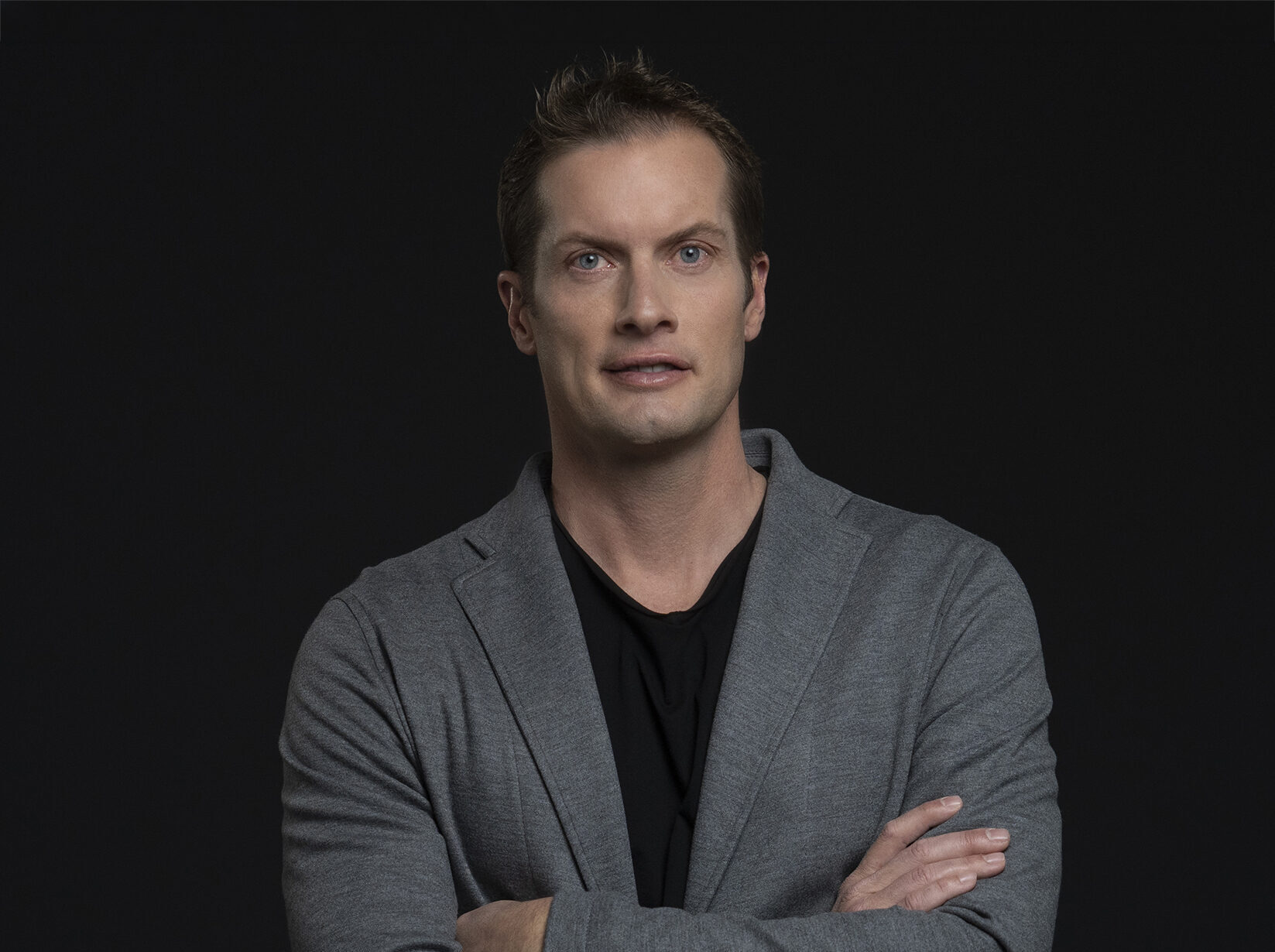
I recently went one-on-one with Bryan Benak, CEO of Southern Home Services.
Adam: Thanks again for taking the time to share your advice. First things first, though, I am sure readers would love to learn more about you. How did you get here? What experiences, failures, setbacks, or challenges have been most instrumental to your growth?
Bryan: I’ve spent more than 30 years leading multi-unit service businesses across operations, sales, and general management. I didn’t start in the boardroom; I started in the field. Early in my career, I went through a rotational training program that put me close to customers and technicians. That foundation shaped how I think about leadership: every role touches the customer experience, and leadership is ownership.
The most instrumental experiences in my growth have been turnarounds and hard seasons. I’ve led businesses through restructuring, private equity transitions, economic downturns, and COVID. Those periods test your clarity and discipline. When I joined Southern Home Services, the company was in a very difficult financial position. We had to stabilize quickly, align leadership, and execute with precision. In under 12 months, we worked our way out of that position and created a foundation for long-term growth. Hard seasons reinforce what I believe: growth tests leadership, but adversity defines it. Like anyone, I’ve had successes and failures, and I’ve learned more from the failures than the successes.
Adam: How did you come up with your business idea? What advice do you have for others on how to come up with great ideas?
Bryan: Southern Home Services was founded as a house-of-brands home services organization designed to support strong local businesses while preserving their identity. When I was approached about leading the business, my “idea” wasn’t to reinvent the industry. It was to build a disciplined, scalable platform that strengthens local operators instead of replacing them.
The opportunity I saw was this: the home services industry is fragmented. Many great local brands struggle not because of demand, but because they lack infrastructure, systems, and leadership depth. The idea was to build a centralized operating platform that provides structure, technology, and leadership while allowing local teams to remain the face of the customer experience.
The key is balancing scalability with a genuine local presence. You have to build a platform that feels local to both employees and customers. If you lose that local feel, you lose the trust that makes this industry work. My advice on great ideas is simple: don’t chase novelty. Look for structural inefficiencies. Look for industries where strong operators exist but lack scalable systems. Great ideas often come from disciplined observation, not inspiration.
Adam: How did you know your business idea was worth pursuing? What advice do you have on how to best test a business idea?
Bryan: I knew it was worth pursuing because the fundamentals were fixable. The company was small enough to shape intentionally, and the demand for essential home services – HVAC, plumbing, and electrical – was consistent. We tested the model by focusing on operational basics first: customer journey mapping, leadership rebuilding, cost discipline, and execution cadence. We didn’t “boil the ocean.” We focused on the top drivers of performance and measured them consistently.
If you want to test an idea, start by pressure-testing the economics and the operating model. Can it scale without breaking? Does it create value for customers, employees, and ownership? If you can align those three, you’re on solid ground.
Adam: What are the key steps you have taken to grow your business? What advice do you have for others on how to take their businesses to the next level?
Bryan: Our growth has come from two primary levers: disciplined organic improvement and strategic acquisitions. Organically, we focused on improving customer lifetime value, strengthening maintenance programs, and driving cross-trade adoption within households. We invested in technology to improve visibility and consistency. We rebuilt leadership depth and embedded accountability into how we operate. Just as importantly, we invested heavily in training our people. If you want to scale, you have to continually develop the skills, confidence, and judgment of your team.
Strategically, we pursued acquisitions of high-performing, values-aligned local businesses and supported them with centralized infrastructure while preserving their brand identity and local presence. Since 2018, we’ve grown approximately 6x in revenue, 1,300x in profitability, 5x in employees, and 4x in locations. That didn’t happen through shortcuts. It came from discipline, standards, and alignment.
My advice: pick a strategy. Narrow your focus. Assign ownership. Measure relentlessly. Invest in training and leadership depth. Growth without leadership depth is fragile.
Adam: What are your best sales and marketing tips?
Bryan: In service businesses, sales and marketing must align with operational capacity. Marketing that drives demand you can’t fulfill damages trust. First, build your brand around trust and repeat relationships, not one-time transactions. Second, leverage data. If we can’t measure it, we challenge it. Third, integrate marketing with the customer journey. Every role in the organization impacts the customer experience.
Sales isn’t about pressure. It’s about professionalism and expertise. When your technicians operate with confidence and clarity, that is your best marketing asset. A great customer experience, when delivered consistently, is more powerful than any singular campaign.
Adam: In your experience, what are the defining qualities of an effective leader? How can leaders and aspiring leaders take their leadership skills to the next level?
Bryan: Leadership is ownership. Effective leaders take responsibility for outcomes. They create clarity during growth. They engineer change rather than reacting to it. Three defining qualities:
- Discipline: Vision without discipline doesn’t scale.
- Accountability: Culture has to be measurable.
- Integrity: If people can’t trust you, nothing else matters.
To elevate your leadership, focus on building systems, not heroics. Develop other leaders. Create standards that outlast you. Leadership depth determines how far an organization can go. A big part of that is hiring and developing the right people. Don’t be afraid to hire people who are smarter than you or stronger in areas where you’re not. No one is perfect in every area. The best leaders build teams that complement their gaps and then invest in those people so they can grow.
Adam: What is your best advice on building, leading, and managing teams?
Bryan: Select for values and fit, not just resume strength. Talent matters, but alignment matters more. Our core values – Teamwork, Respect, Accountability, Determination, Expertise, and Safety – define how we operate. We train employees to understand exactly where they touch the customer journey and what “great” looks like at that moment. Clarity reduces confusion. Standards create freedom.
If you want to build strong teams, build clarity first. Then reinforce it through consistency, communication, accountability, and ongoing development. And as I mentioned earlier, don’t shy away from hiring people who are stronger than you in certain areas – that’s how great teams get built.
Adam: What are your three best tips applicable to entrepreneurs, executives, and civic leaders?
Bryan:
- Don’t boil the ocean. Focus on the three to five drivers that truly matter.
- Balance stakeholders. If you serve customers and employees well, ownership results follow.
- Build a business model that resonates with the employees and customers but be flexible enough to change as technology and norms change. Be disciplined to your business model but be flexible enough to pivot.
Adam: What is the single best piece of advice you have ever received?
Bryan: Honor your commitments. I was raised to believe that when you commit to something, you finish it. That mindset carried me through turnarounds, recessions, and rebuilding Southern during difficult periods. Integrity with customers, employees, and stakeholders is non-negotiable. You can recover from mistakes. You can’t recover from broken trust.
Adam: Is there anything else you would like to share?
Bryan: The home services industry is built on trust. It’s local. It’s personal. It’s essential. At Southern Home Services, we’re building a durable platform that strengthens local brands while creating long-term opportunity for employees and dependable service for homeowners. My focus is simple: build leaders, build systems, and build standards that scale. If we do that well, growth follows.