
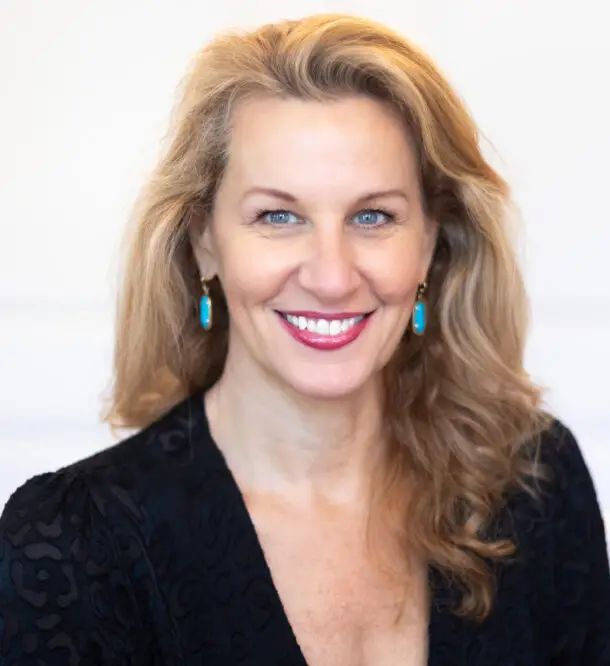
I recently went one-on-one with Caroline Boudreaux, Founder of Miracle Foundation.
Adam: Thanks again for taking the time to share your advice. First things first, though, I am sure readers would love to learn more about you. How did you get here? What experiences, failures, setbacks, or challenges have been most instrumental to your growth?
Caroline: My journey started in 2000, when I took a trip to India that changed my life forever. I was visiting rural villages when I walked into an orphanage and met a little girl. She ran up to me, grabbed my hand. That night, I rocked her to sleep and promised her she would never be forgotten. That promise became the foundation of my life’s work. Before that moment, I worked in television advertising: comfortable, successful, but unfulfilled. The trip opened my eyes to a different kind of success: one defined not by profit, but by purpose.
Of course, it hasn’t been easy. In the early years of Miracle Foundation, I made every mistake you could imagine. I was driven by passion but had to learn the discipline of systems, governance, and sustainability. I learned that good intentions are not enough; you need strategy, accountability, and humility to truly make an impact. Those lessons, born from failure and perseverance, shaped me into the leader I am today.
Adam: What are the best leadership lessons you have learned from leading a non-profit organization?
Caroline: Leadership is about listening, truly listening, to the people who are the stakeholders. That’s what has guided Miracle Foundation from the beginning. Listening to children, families, and communities is what allowed us to evolve, to morph, and ultimately to transform a system, not just treat a symptom. True leadership is about making ourselves unnecessary. Don’t build better orphanages; make them unnecessary. Don’t just improve the foster care system; make it so children never have to enter it in the first place. Because in the end, we’re all stakeholders in creating a world where every child grows up in a safe, stable, and loving family.
Adam: What are your best tips for fellow leaders of non-profit organizations?
Caroline:
- Measure what matters. Passion must be paired with data. Track your impact with the same rigor a business tracks profit.
- Build sustainable systems. Nonprofits often operate in crisis mode. Step back and design processes that can thrive without you.
- Prioritize your people. Your team is your greatest asset. Celebrate them, invest in them, and make sure they feel seen.
- Stay connected to your “why.” The work can be heavy, reconnecting with the mission keeps you grounded and inspired.
- Collaborate, don’t compete. We’re all trying to make the world better. Partnerships multiply impact in ways competition never can.
Adam: In your experience, what are the defining qualities of an effective leader? How can leaders and aspiring leaders take their leadership skills to the next level?
Caroline: The best leaders are self-aware, empathetic, and courageous. They listen deeply and act decisively and we know our weaknesses. Leadership is a practice, not a position. It’s about being willing to grow, admit when you’re wrong, and empower others to succeed.
To take your leadership to the next level, start with emotional intelligence. Know your triggers. Understand how your behavior affects others. Then, commit to learning, from mentors, books, and most importantly, your team. Feedback is a gift if you let it be.
Adam: What are your three best tips applicable to entrepreneurs, executives, and civic leaders?
Caroline:
- Start before you’re ready. Perfectionism kills progress. You’ll never have all the answers, but action creates clarity.
- Lead with love. Whether you’re running a company or a classroom, people respond to authenticity and care.
- Don’t chase success, chase significance…Money, recognition, and titles are fleeting. Purpose lasts forever.
Adam: What is your best advice on building, leading, and managing teams?
Caroline: Hire people smarter than you and then trust them to do their jobs. Culture is everything. A healthy team culture starts with transparency and ends with accountability. I’ve found that when people feel safe, respected, and valued, they bring their best selves to the work. Also, be human. Ask about their lives. Celebrate their wins. When people know you genuinely care, they’ll walk through fire with you.
Adam: What is the single best piece of advice you have ever received?
The best advice I’ve ever received is that success isn’t one big break — it’s one good decision after another. We can’t control the outcome, but we can control our next move. That’s where growth, peace, and progress live.
Adam: What can anyone do to pay it forward?
Caroline: Responsibility is the ability to respond. We all have that. We can sit by and complain about broken systems, or we can start acting now. You don’t need to start a foundation to make a difference. Every person has the ability to bring light to someone else’s life. Start small, mentor a young person, volunteer in your community, or simply check on a neighbor. Every act of kindness creates a ripple effect. And if you’re in a position of privilege or influence, use it. Lift others up. Share your network. Pay opportunities forward. The world changes when we all do our part.
Adam: Is there anything else you would like to share?
Caroline: If there’s one message I hope people take from my journey, it’s that you are enough to change the world right where you are. You don’t need special qualifications or endless resources. You just need courage, compassion, and consistency. Every child deserves a family, and every person deserves a purpose. I wake up each day grateful to play a small role in making both possible.