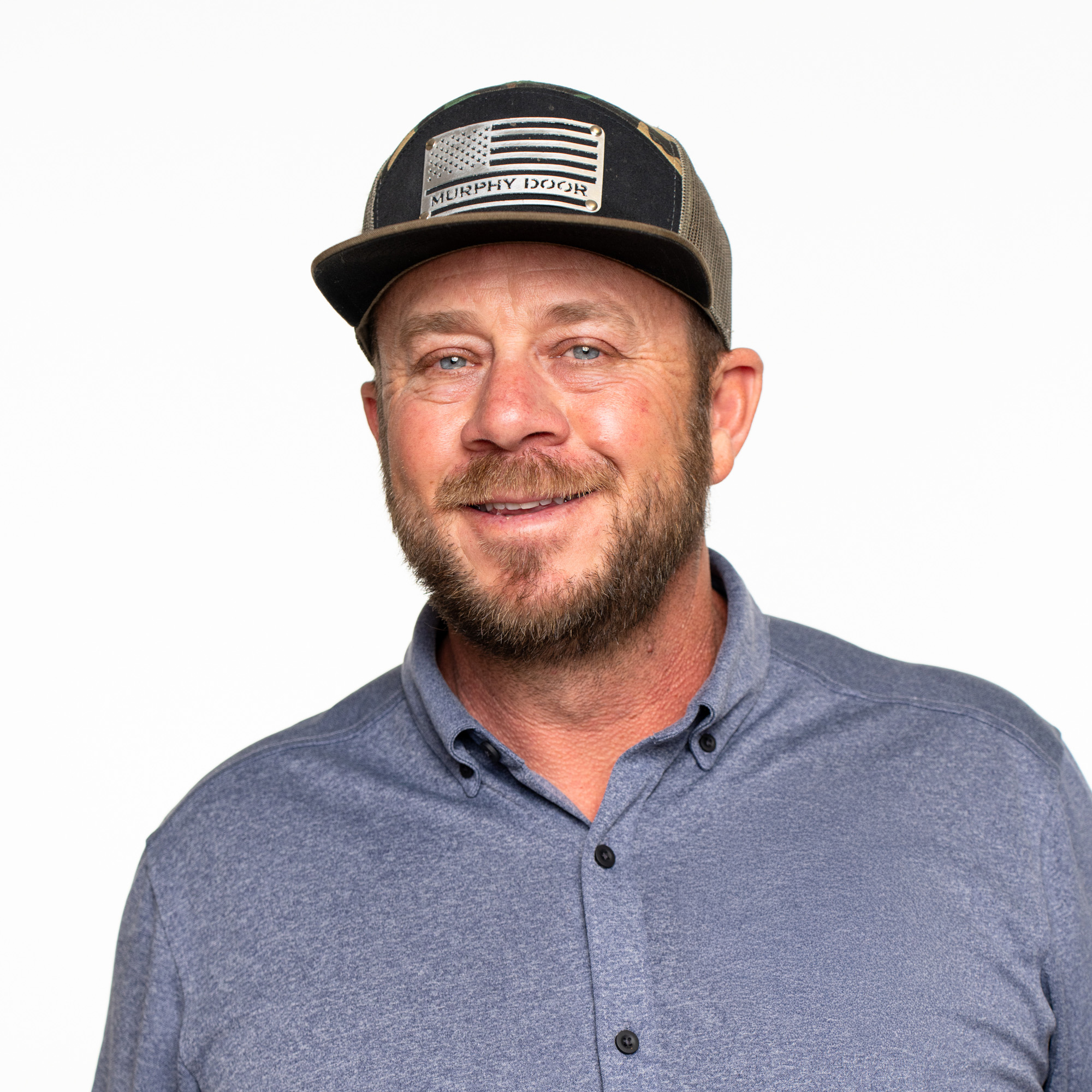


I recently went one-on-one with Henley Vazquez, co-founder of Fora Travel.
Adam: Thanks again for taking the time to share your advice. First things first, though, I am sure readers would love to learn more about you. How did you get here? What experiences, failures, setbacks, or challenges have been most instrumental to your growth?
Henley: Although I’ve been a travel advisor my whole career, I initially came to this industry from the outside, someone who grew up not traveling extensively and was entirely unfamiliar with the world of travel advisors. What I saw was a profession with genuine potential that had been, structurally, set up to exclude huge swaths of professionals. High barriers to entry, outdated tools, and payment structures that required you to work essentially for free during the ramp-up period. all of which meant only a narrow slice of people could even attempt it. I was even part of the problem! To bring someone onto my team meant taking on a huge financial burden that I couldn’t afford. And that really bothered me, so that’s the problem I set out to fix.
Adam: How did you come up with your business idea? What advice do you have for others on how to come up with great ideas?
Henley: I’d spent time watching the travel industry from close range, and what I kept coming back to was a mismatch: there were so many people who would have been extraordinary travel advisors, but the industry just wasn’t built to welcome them in. The tools were outdated, the barriers to entry were high by design, and the path to building a real business in the space was slow.
When my co-founders and I started talking seriously, the goal wasn’t disruption. We wanted booking with a travel advisor to be the more natural, obvious choice for travelers. And to make that happen, you need to dramatically expand who becomes an advisor in the first place. We’re investing in the next generation of travel entrepreneurs because that’s what actually scales the profession and the industry.
If I have advice for others thinking about business ideas: ask what the real pain points are and be honest about whether they’re fully solvable. We’ve seen a lot of companies tackle one piece of the problem, usually a specific technology problem, while leaving everything else broken. An idea is worth pursuing when it addresses the whole picture, not just a slice. And then the harder question: can it actually generate revenue? Unfortunately, an interesting product isn’t the same thing as a viable business.
Adam: How did you know your business idea was worth pursuing? What advice do you have on how to best test a business idea?
Henley: Part of it was personal. I’d seen the industry’s gatekeeping up close — the way its norms excluded people who had every bit of the passion and drive but none of the financial runway to work essentially for free while they ramped up. The frustrations were real to me.
But conviction isn’t enough. We worked hard to stress-test our own beliefs. We wrote a memo with our business plan and tested our ideas with people whose judgment we respected. It’s valuable to talk to people who are smarter than you in specific areas, because they see things from a different vantage point. Find someone who can poke holes in your idea so you see what works and what doesn’t.
That said, part of being an entrepreneur is a kind of blind faith that it will work. You can de-risk the concept, but you can never fully eliminate the risk. What we’re trying to do is build that same de-risking into the model itself: giving advisors a path to start a business while they still having the safety net of another job.
Adam: What are the key steps you have taken to grow your business? What advice do you have for others on how to take their businesses to the next level?
Henley: The single biggest driver of growth for us and for the advisors building businesses on our platform is marketing. Not in a polished, social media influencer sense. In the most basic sense, are you talking to people constantly about what you do?
You have to be willing to promote what you’re building before it feels ready, before you have all the proof points, before it’s comfortable. Most people wait too long. The ones who grow fastest put themselves out there early and let real-world feedback shape the idea. The willingness to promote without fear of failure is one of the most important and underrated qualities in an entrepreneur.
The other piece is hiring. We’re 200-plus people at HQ now, and the thing we protect most carefully is mission alignment. People who join this company aren’t just joining a fast-growing startup. They’re joining something with a specific purpose, and they need to feel that genuinely. Whether you’re our first hire or our hundredth, you’re a crucial part of what we’re building. That mindset is what keeps culture and quality intact as the organization scales.
Adam: What are your best sales and marketing tips?
Henley: The word I keep coming back to is authenticity. And, yes, I know that sounds like a thing people say, but I mean it in a specific sense.
Our marketing has changed significantly since we launched. In the early days, it was almost entirely educational. We had to convince people that becoming a travel advisor was even a viable career path — was something that not only existed, but something that was available as an option for them. Now we talk about the seriousness of the profession, the earning potential, the platform, the community. The message changed because our community evolved. The best marketing always reflects who you actually are at this moment, not who you were, and not who you’re trying to become.
We tell our advisors the same thing about their personal brands. Some of them have beautiful, perfectly curated social presence – and it works well! But my honest advice is not to over-polish. Your clients want to hear from you. They want your real opinions, your genuine recommendations, the unfiltered version of why you love a destination or a hotel or a ship. In a sea of perfectly produced content, what stands out is just being genuinely, specifically yourself, and for sharing travel through your lens.
Adam: In your experience, what are the defining qualities of an effective leader? How can leaders and aspiring leaders take their leadership skills to the next level?
Henley: One of the smartest decisions we made was being very intentional about who we built the founding team with. I co-founded Fora with two other people, and we each brought genuinely different backgrounds and areas of ownership. There’s no redundancy, no ambiguity about who owns what. Everyone knows their lane, and the trust in each lane is real.
I think that’s the most underrated quality in effective leadership: the willingness to build alongside people who are better than you at the things that aren’t your strengths. The leaders I admire most aren’t the ones who have all the answers. They’re the ones who know how to create a room where answers can surface, and then step back to allow others to shine, too.
Adam: What is your best advice on building, leading, and managing teams?
Henley: What I try to do is bring in people who are exceptional at what they do, give them real ownership, and get out of their way (to an extent). That means resisting the urge to weigh in on everything, being genuinely comfortable with decisions being made without you, and creating an environment where people feel safe trying things that might not work, and equally safe telling you when something isn’t working.
That said, there are moments when you have to go into “founder mode”, as we say in the office. Let your teams be heard, let them share opinions, but also be sure that you’re there to step in if it feels like progress isn’t moving in the right direction. I’ve always had trouble sharing less positive feedback because I don’t like to tear people down, but I’ve learned the importance of respectful and empathetic honesty, and why that’s required to be sure your team keeps moving in the right direction.
Adam: What are your three best tips applicable to entrepreneurs, executives, and civic leaders?
Henley: First: know your lane, and hire for the lanes you don’t own. The most important structural decisions you’ll make are about who you build alongside and how clearly you define ownership. Ambiguity kills execution – the buck has to stop somewhere.
Second: market before you feel ready. The impulse to wait until everything is perfect is almost always wrong. The feedback you get from putting something imperfect into the world is worth more than months of internal refinement. Building a tolerance for early-stage visibility is part of the job.
Third: embrace the unglamorous. Entrepreneurship, leadership, and public service: the parts that get celebrated publicly are a thin slice of what the work actually is. The rest is hard, humbling ground-level effort, the talking on the panel, followed by taking out the trash. The people who last are the ones who can tolerate, who can celebrate, both sides of the reality of start-up life.
Adam: What is the single best piece of advice you have ever received?
Henley: “If it’s not a hell yes, it’s a hell no.”
My co-founder Evan said that to me when we were in the middle of a CTO search, a lot of good conversations that weren’t quite right. His point was that in the context of building a company, “fine” isn’t good enough. Not for the people you hire, not for the partnerships you enter, not for the investors you bring on, not for the strategic decisions you make.
There’s a kind of pressure in business to keep moving: to close the deal, take the meeting, say yes to things that are almost right because saying no feels like losing ground. But the quality of what you build is almost entirely determined by the quality of your yeses. If you’re not genuinely excited, you’re already managing a problem you didn’t have to create.