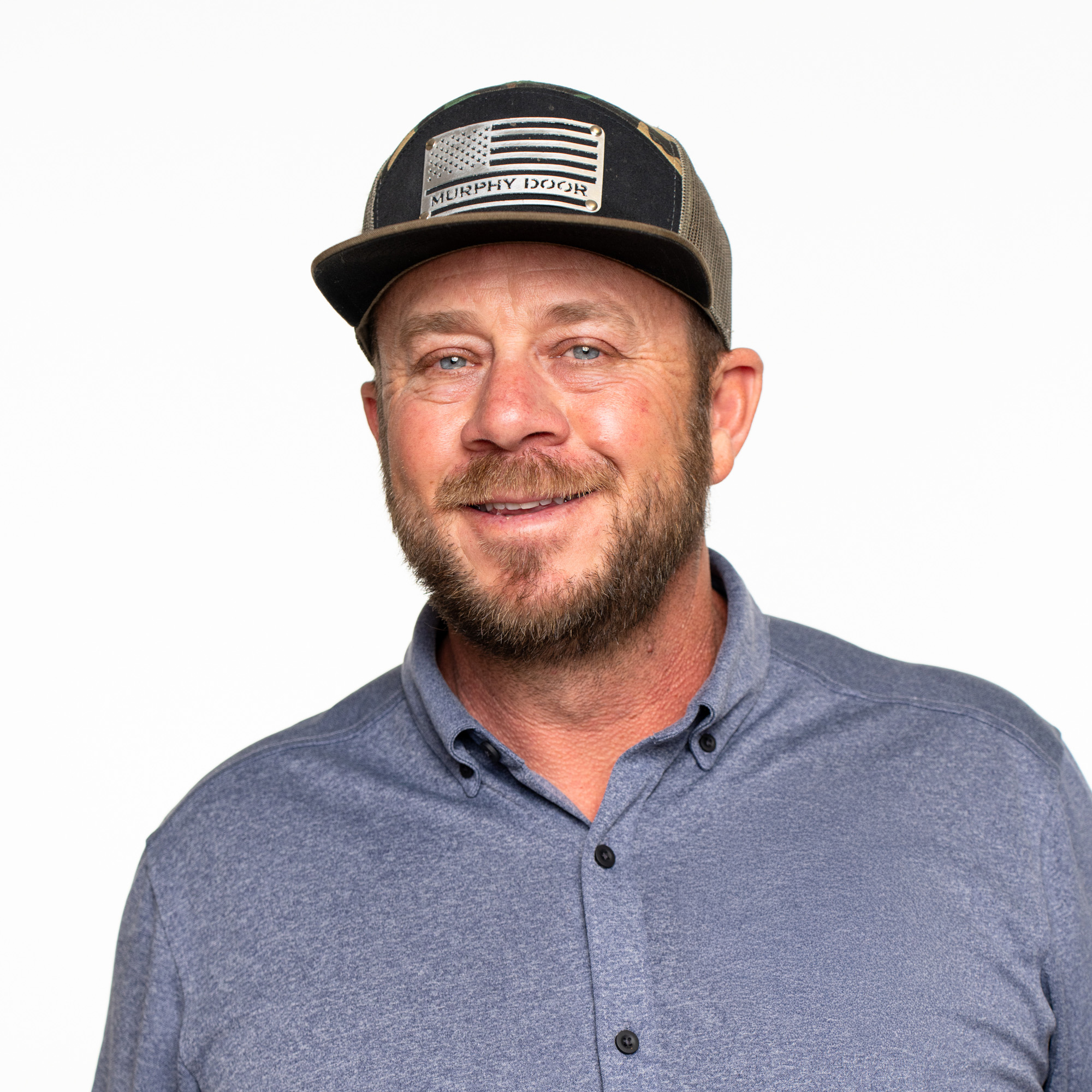


I recently went one-on-one with Jesse Mecham, founder of YNAB.
Adam: Thanks again for taking the time to share your advice. First things first, though, I am sure readers would love to learn more about you. How did you get here? What experiences, failures, setbacks, or challenges have been most instrumental to your growth?
Jesse: Honestly, the business started out of necessity, not some grand vision. I was a broke accounting student and young husband with a growing family, and I just needed to figure out how to make the most of what little money I had in a real, tangible way. The solution I created helped me so much I figured maybe it would do the same for other people, so I started selling it, and that’s how I started my business. The pressure to support my family is what pushed everything forward. I didn’t even think of myself as an “entrepreneur” until many years into it. That word has always thrown me off a bit. People tend to romanticize it, but in reality I was just working.
One of the hardest lessons I learned as a founder came from hiring the wrong people early on in the business. It’s expensive in every sense. It costs money, time, and momentum, and it’s especially acute when you’re working on a small team. On the flip side, I learned how valuable it is when you find the right person and make it work for the long haul. I also had to learn how to balance the needs of a young family with the demands of a company that was growing rapidly. Those two priorities were constantly pulling at each other, and there was no way around it except to keep making deliberate, careful decisions about how to be present for a business that never sleeps and a family waiting for me at home every night.
Adam: How did you come up with your business idea? What advice do you have for others on how to come up with great ideas?
Jesse: The idea for YNAB was born out of personal necessity. I needed a better solution for my money, so I built one with a spreadsheet, and it worked really well for us. My advice to anyone chasing an idea is to pay attention to whether you’re actually drawn into the details of the work itself, not just the outcome. I was interested in every facet of it: the SEO, the branding, the design, and even learning what “keyword bidding” meant back in the day. If you find yourself curious about the unglamorous parts, that’s usually a good sign you’re onto something real.
Adam: How did you know your business idea was worth pursuing? What advice do you have on how to best test a business idea?
Jesse: When I thought my business idea might be valuable enough to sell to other people, I started by introducing it to a small market, my inner circle. My wife and I stress-tested it with our own finances for the first year. Then we introduced it to our friends and family. And finally, the ultimate test was asking real people to pay me for this product. Spoiler alert: they did, but I did have to refund my first software sale because it didn’t work on a MacBook at the time. If you can get someone who has no obligation to be nice to you to hand over money for what you’ve built, that speaks volumes.
Adam: What are the key steps you have taken to grow your business? What advice do you have for others on how to take their businesses to the next level?
Jesse: The most important step I took was creating a clear financial plan for the business. Early on, it was easy to just stare at a pile of money and hope it didn’t get too low. The real breakthrough was knowing specifically what that money was for. This money is for marketing, this money is for hiring, this money is for a profit share, this money is for a 401k, and this money is for health insurance. Once I could see the plan, everything changed. We weren’t spending recklessly; we were spending on purpose. It sounds ironic coming from the founder of an app designed to help you know what your money is for, but the most important step I took.
The other piece I’m genuinely proud of is that we bootstrapped this company and never took venture capital. I’ve watched what happens when companies in our own space sell to bigger organizations, and it’s not encouraging. Staying independent meant we could keep building the thing we actually believed in, on our own timeline, without someone else’s strategy driving our decisions. And honestly, I’ve never been all that thrilled with the idea of having a boss.
Adam: What are your best sales and marketing tips?
Jesse: Teach, don’t sell. That’s been the most effective marketing strategy for us, and it doesn’t feel salesy because it isn’t. When you’re teaching instead of selling, you’re winning customers over by genuinely helping people understand something new or intimidating to them. Don’t underestimate word-of-mouth. It has been our most valuable and cost-effective marketing channel by far. When you create a product that transforms people’s lives, they naturally tell other people about it. You can’t buy that kind of trust; you have to earn it.
Adam: In your experience, what are the defining qualities of an effective leader? How can leaders and aspiring leaders take their leadership skills to the next level?
Jesse: People follow someone who is genuine, earnest, and has a vision. That can take shape in a lot of different ways; there’s no single mold for what it means to be a leader. So stop trying to fit one. If you want to be a better leader, figure out your natural strengths and lean into those hard. You should also be honest about your weaknesses without obsessing over fixing them.
Adam: What are your three best tips applicable to entrepreneurs, executives, and civic leaders?
Jesse: First, know your purpose. If you can clearly articulate why you’re doing the work at hand, you become far less rattled by roadblocks along the way.
Second, know your own limits. As your business grows, your skills might not apply in the same ways they used to, and you don’t have to do it all. I stepped down from CEO of my own company because I realized I was not best suited for the next phase, and I was no longer enjoying being at the helm.
Third, become a morning person. Use those early hours for reflection, reading, and exercise before the demands of the day take over. It gives you a sense of control that carries through everything else. That time is close to untouchable for me; it’s rare that anyone interrupts it. It’s a small thing, but it sets the tone for how you show up the rest of the day.
Adam: What is the single best piece of advice you have ever received?
Jesse: It came from my dad. He consistently reinforced the belief that I could achieve whatever I set out to do. That might sound simple, but it built the foundational confidence I needed to actually start a business in the first place, even if I wasn’t an entrepreneur at heart. When you grow up hearing that from someone you trust, it changes what you think is possible for yourself.
Adam: Is there anything else you would like to share?
Jesse: As entrepreneurs, we pour an enormous amount of effort, energy, and time into making money, and I cannot emphasize enough how important it is to carry the same level of intention you already apply to your business and apply it to your money too. Don’t let the intentionality stop at the earning. That’s what inspired my latest book Never Worry About Money Again. I wanted to help people become just as intentional about spending as they are about earning.