
Virtually every day, there is something we have to do but don’t want to do, the perfect recipe for procrastinating.
Brian Tracy was on the front lines in the war against procrastination. He wrote bestselling books and gave popular seminars teaching people how to develop good habits and break bad ones.
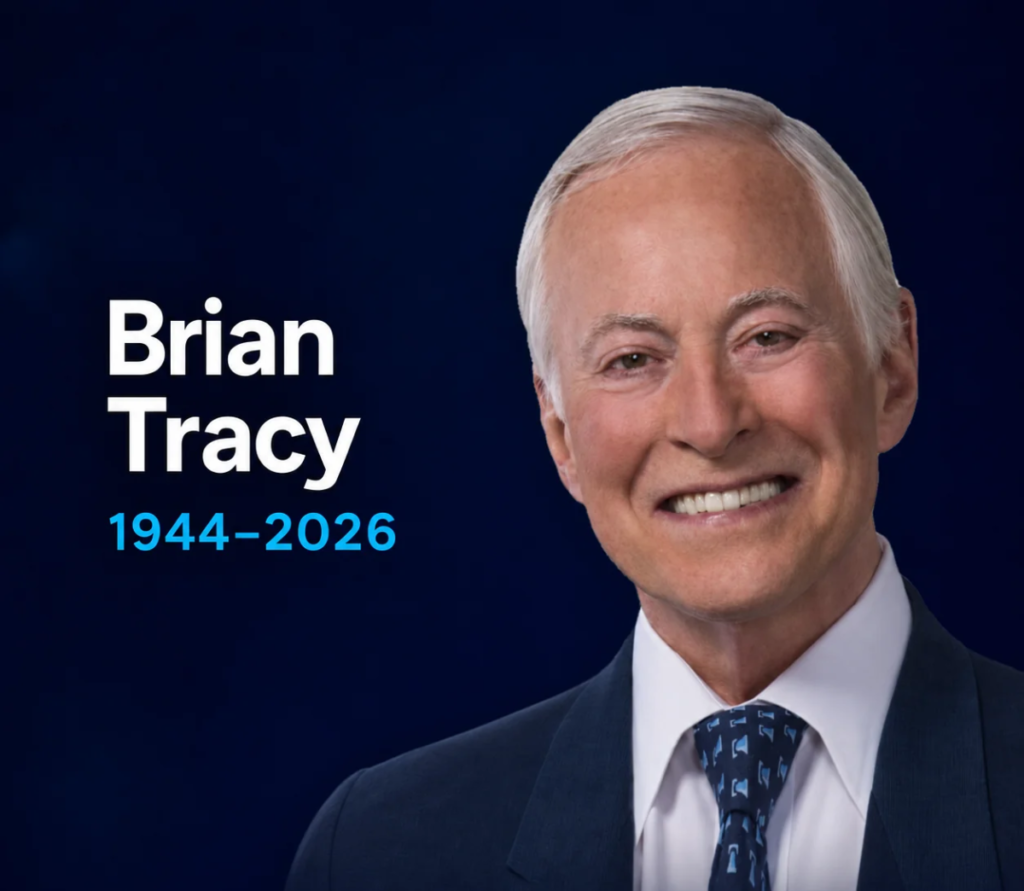
Brian passed away last week at the age of 82. When he joined me for Episode 53 of Thirty Minute Mentors, I asked him how anyone can stop procrastinating. At the time, he was working on his 91st book, but he told me, “I’ve been teaching it now for two or three decades, and I still procrastinate.”
Brian told me to look at the books and papers behind him. He said he still put things off because he had more to do than he had time for. Whatever he wound up doing that day, something else would have to wait. I’d asked how to stop procrastinating. Brian answered from the middle of a day with too much to do, the kind of day when you actually need his advice.
What Brian Tracy learned selling door to door
A high school dropout, Brian cut his teeth washing dishes, washing cars, and cleaning floors before getting a job selling door to door. He told me there were times when he slept in his car. He was struggling to sell when he asked one of the top salespeople what he did differently. The man explained how he gave a sales presentation. Brian had never heard of one. He tried what the man showed him, kept practicing what he learned from other salespeople, and told me his sales increased tenfold.
Brian said that experience changed how he approached every new line of work. He read books, listened to recordings, and went to seminars to find out what people who were good at the job did. When he heard something that made sense to him, he tried it the next time someone opened a door. Within a year, he told me, he was overseeing sales in six countries.
Years later, Brian started giving his own seminars. After about a decade of speaking, he began turning what he taught into recordings and books. A lot of the advice he’d picked up from books and recordings had helped him make a living. Now the people who couldn’t get to one of his seminars could read or listen to what he’d learned.
By the time I interviewed him, Brian had written a version of Eat That Frog! for students. The man who failed out of twelfth grade was teaching students how to develop habits he’d had to learn after he left school. A student can know they need to do better in school and still sit down at their desk with three assignments due and no idea which one to open. Brian started with a decision that a student could make right there. Pick the assignment that matters most and give it your attention while you still have time to finish it.
When I asked Brian about the most important daily habit people could develop, he told me about eating lunch alone in a crowded place in Washington, D.C. Brian had a table for four to himself, so he invited two people to sit with him. One of them turned out to be an author whose books he’d read and whose tapes he’d listened to. There were a thousand principles for success in those books, and Brian wanted to know which one mattered most. The man told him it was self-discipline, the ability to do what you need to do even when you don’t feel like doing it.
I told Brian there are days when I don’t feel like lifting weights, even though I love to exercise. You can look forward to how you’ll feel after a workout and still spend a good part of the morning deciding whether to go. The days when you’d rather stay home are the days when you get some practice doing what you said you were going to do.
In our conversation, Brian talked about self-discipline as something we can get better at with practice. He said he learned to stay with his most important work until he finished it, sometimes working late or on weekends. He’d gotten into that habit before he studied the principles he went on to teach.
What Brian Tracy taught about procrastination
Brian’s most famous book, Eat That Frog!, centers on tackling your most important task first, especially when it’s the one you least want to do. He told me that the key to combating procrastination is to write down everything you have to do, rank your tasks in order of importance, and finish the one at the top of the list. It’s often the one you would otherwise put off.
You can spend a morning answering emails and taking care of paperwork. All of it might need to get done. Meanwhile, two people on your team are doing the same work because you’ve been putting off a conversation about who owns the project. The emails will be just as easy to answer after that conversation. The longer you wait to have it, the more work the two of them will have to sort out.
In a review published in Psychological Bulletin, Piers Steel analyzed 691 correlations and found that how unpleasant a task felt was among the strongest and most consistent predictors of procrastination. Think about how appealing it can be to clean out a drawer you’ve ignored for six months, right when you sit down to do your taxes.
Putting the list in order gives us a chance to decide what matters before we start looking for reasons to do something else. If two things both need doing, look at what happens if each one waits.
Some things we dread can wait. You may hate filling out expense reports, but if the report is due next month and a teammate needs an answer to get started today, the answer comes first. And if someone is asking for a reply right away, find out what they need it for. Sometimes you can tell them when you’ll get back to them and get on with the work you already decided mattered more. Sometimes they’re about to make a decision they can’t easily undo. That’s worth an interruption.
You can tell your team a project is a priority on Monday and spend Tuesday morning interrupting them with things you could’ve asked for on Wednesday. If you’re the person who told them the project comes first, they may assume you’ve changed your mind every time you ask for something else. If you need something new by noon, tell them whether it’s worth pushing the project back. They may have been doing exactly what you asked them to do yesterday.
Finishing the thing we’ve been putting off
Brian kept coming back to finishing the most important task. We can write the first few lines of an email we’re dreading, save it as a draft, and feel like we’ve finally gotten to it. The person we need to reach is still waiting for an answer.
Put “deal with the proposal” on a list and you can spend an afternoon opening old documents and looking up numbers. “Send the client the proposal with the scope and price we discussed” tells you what you have to do. If you’re missing a number, you know what you need before you can send it.
Some work takes weeks. If you’re preparing a talk, you can finish writing the opening before lunch. If you’re starting a project, you can agree on who’s doing what before people start making their own plans. The next time you sit down to work, you’ll know where to pick up. A good test is whether tomorrow’s work changes once you’ve finished today’s. If you settle on what you want the audience to take away from a talk, you’ll know which stories to keep and which slides you can cut. You can get a lot of slides done before you make that decision and spend the next day rebuilding most of them.
Give yourself enough room to find out what the work will take. The first time you open a client’s request for a proposal, you may see a requirement you hadn’t discussed or a question you can’t answer on your own. Find that out in the morning and you have time to call the client. Find it out late in the day and you may spend the night guessing at what they meant. Getting to the work early gives other people time to help you finish it.
You might spend your first hour dealing with a problem that couldn’t have waited. It’s easier to get back to the work you meant to finish when you’ve already decided what that is. If you were halfway through writing an estimate and had to step away, leave yourself a note about which number you were checking. When you sit down again, you can check the number. You’ve already done the work of figuring out where to start.
How to put Brian Tracy’s advice to work
When you sit down with a long list, think about what you’d be relieved to have finished by lunch. Then look at what someone else could get started on if you finished it. You might find out the work you’ve been dreading matters to someone who’s spent two days waiting for you to get to it.
- Write down what you have to do. Give the work you’ve been avoiding a line of its own.
- Decide what can wait. Look at what will get harder tomorrow and who’s waiting for you to finish before they can start.
- Be clear about what you can finish today. If the whole job takes a week, choose a piece of it you can complete that will make tomorrow’s work easier.
- Stay with the work when you hit the part you’ve been avoiding. The easier thing you just thought of will still be there when you’re done.
If you have to tell someone a project is going to be late, take the time to figure out what changed and what date you can commit to. Once you know that, make the call. Another hour spent revising your notes may make you feel better. The person who needs to change their plans still hasn’t heard from you.
There’s a limit to how much you can prepare for a conversation you haven’t had. You can take ten minutes to think through what you’ll say about the delay. The other person may use the first minute to tell you they need part of the work sooner and can wait for the rest. Now you can work on the part they need sooner. You couldn’t have learned that by spending another hour figuring out how to explain the delay.
On a crowded day, getting one important thing done may mean giving someone a later date for something you thought you’d get to. It’s better to tell them while they still have time to make another plan. If they need your feedback today and you know you won’t have it until tomorrow, tell them in the morning. A good decision about what to put off includes telling the person who’s counting on you.
Remembering Brian Tracy
Brian had knocked on a lot of doors by the time someone showed him how to give a sales presentation. He finally knew what he could try the next time someone answered. He spent much of his career giving other people that same kind of help. You could be as far behind as you were yesterday and still have enough time to finish one thing that mattered today.
I’m grateful to Brian for being a part of Thirty Minute Mentors and for sharing his wisdom with me. While I was familiar with his work before we spoke, I was fortunate to experience his kindness and generosity of spirit firsthand.
Rest in peace, Brian.