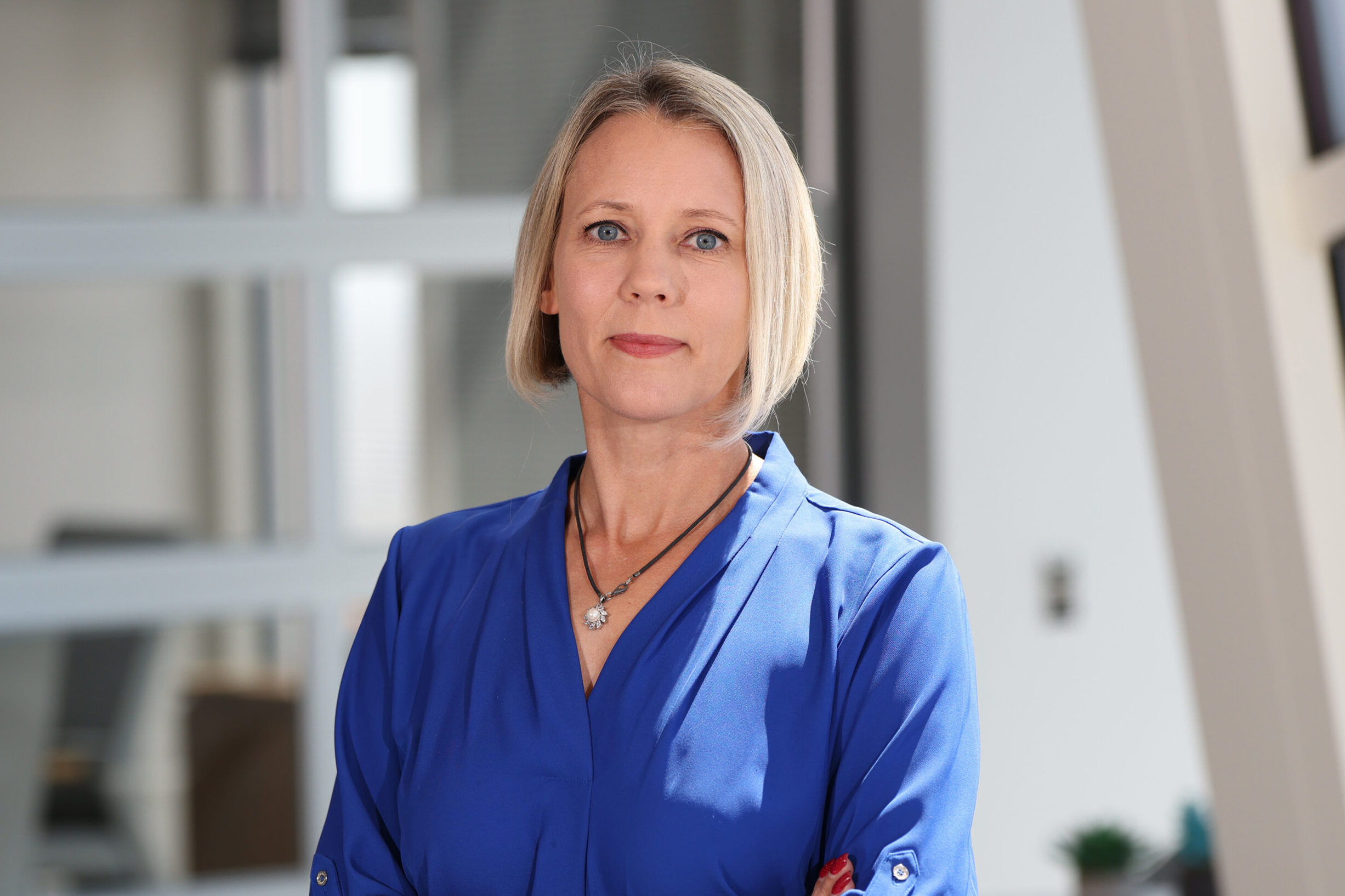


I recently went one-on-one with John Lehr, CEO of the Parkinson’s Foundation.
Adam: Thanks again for taking the time to share your advice. First things first, though, I am sure readers would love to learn more about you. How did you get here? What experiences, failures, setbacks, or challenges have been most instrumental to your growth?
John: I have worked in the nonprofit sector for nearly my entire professional career, first as a fundraiser and then in management. For most of my career, I have worked at disease-specific organizations. I have seen firsthand how philanthropic dollars can translate into improved care and medical breakthroughs, adding years to lives. Advancing research can be challenging, as most diseases are complex and require multiple avenues of discovery. It takes time and significant resources to pursue promising hypotheses, and many studies do not achieve their expected outcomes. But knowledge always increases, and that paves the way for eventual breakthroughs. Earlier in my career, I was fortunate to work for the Cystic Fibrosis Foundation and helped raise philanthropic dollars for new, disease-modifying Cystic Fibrosis (CF) therapies. Those therapies have transformed CF from a fatal pediatric disease to one where people born today can expect to live a long and full life. I would like to see that same success in Parkinson’s disease (PD), and am pleased that the Parkinson’s Foundation, thanks to our generous donors, has grown from $22 million in 2016 to $86 million in 2026, allowing us to commit more resources to PD research, care, and education than ever.
Adam: Who are the best leaders you have been around and what did you learn from them?
John: The best leaders are those who have a clear vision for their organizations. They rely on a great team of people (board and staff) who have the expertise and experience to guide the organization toward its mission goals and key objectives. They give their managers plenty of room to innovate and take calculated risks. They are positive, optimistic, and forward-thinking. They are also flexible and adaptive, recognizing that the real world does not necessarily conform to the best-laid plans. The best leaders believe in building a great culture, where everyone can grow and thrive, where success is rewarded, and where the core values are adhered to by everyone. Finally, the best leaders are humble and recognize that it is the organization’s success that matters. I have had the good fortune to know many great business leaders in my life, but my grandfather, who ran a large steel company, is my role model. He embodied all the traits outlined above and more. His photo hangs on the wall in my office as a reminder to live up to core values every day.
Adam: What are the best leadership lessons you have learned from leading a non-profit organization?
John: The best lesson I have learned in leading a nonprofit organization is to listen to the people you are serving. The Parkinson’s Foundation is a mission-driven organization, with the goals of helping people with PD live their healthiest and best lives and advancing research toward new and better therapies. At the Foundation, our People with Parkinson’s Advisory Council (PPAC) plays an important role in conceiving, developing, and evaluating our mission programs. PPAC is comprised of 15 individuals who either live with PD or are the primary care partner to someone with PD. PPAC meets monthly by teleconference and several times a year in person. We seek their advice on all aspects of our mission, as we also do with our board, which is comprised of people living with PD, care partners, clinicians and researchers, as well as with our thousands of volunteers and stakeholders through numerous outreach activities and surveys. Of course, no organization can meet the needs of an entire community, so it is critical to set priorities for the highest and best use of resources and to communicate those priorities to the community.
Adam: What are your best tips for fellow leaders of non-profit organizations?
John: Have a clear vision and plan. Hire the very best people. Set stretch but achievable goals. Have a growth and innovation mindset. Focus on a positive culture. Ensure board-management harmony. Listen to and be attuned to the needs of the community you serve. Use humor to bring people together and ease tension.
Adam: In your experience, what are the keys to successful leaders? What can anyone do to become a better leader?
John: Successful leaders know they must rely on others to help expand and run the organization. They seek the best advice and counsel available. They hire people who are thinkers and doers. They lead by example and with humility. If you want to become a better leader, study other leaders to learn what works and what doesn’t work.
Adam: How can leaders foster a culture of innovation?
John: In one way or the other, every leader is trying to optimize services, products, or programs for their clients, customers, or community. Continually asking how to make things better fosters a culture of innovation. Leaders should not strive for perfection, but rather excellence, and seed that in the culture. A few years ago, I asked our Scientific Advisory Board to provide ideas about how the Parkinson’s Foundation could address unmet research needs. One member responded by encouraging the Foundation to undertake genetic testing for PD mutations. Understanding the importance of this, the Parkinson’s Foundation launched PD GENEration in 2018 and today has enrolled nearly 40,000 individuals into this groundbreaking study. As PD GENEration has expanded, we have continued to innovate—for example, we launched PD Trial Navigator to match people with PD genetic mutations to upcoming clinical trials. We are always thinking of ways to improve on our existing programs. Continuous quality improvement is part of our culture.
Adam: What are the keys to navigating and leading through crisis and change?
John: Every business or organization is going to experience challenges from time to time. These may be internal (loss of a key employee) or external (tough economy). The key to navigating these challenges is to have a strategic plan so that you stay focused on the key goals of the organization. It is also important to have contingency plans and funds to navigate through the tough times. At the Parkinson’s Foundation, we ensure we have a reserve of six months of unrestricted operating funds to maintain operations during any crisis. This worked very well during the COVID-19 epidemic, allowing us to continue with budgeted mission spend and to maintain our staff.
Adam: What can anyone do to pay it forward?
John: The Parkinson’s Foundation’s success is largely dependent on volunteers. People from the community play a critical role in running our fundraising and outreach events. Without their tremendous commitment of time and resources, the Foundation would not be able to fulfill its mission. So, the best way to pay it forward is to get involved with the organizations that are doing the work you care about. We have so many volunteer opportunities at the Foundation that we can tailor activities to specific skills and desires.
Adam: Is there anything else you would like to share?
John: I am so proud of what the Foundation has accomplished over the last 10 years. I know we have helped countless people who are living with and affected by PD lead better lives. I am also so pleased to have the opportunity to lead such an amazing team. The Parkinson’s Foundation staff are dedicated to the mission, and most importantly to the people with PD who experience this disease every day. If you’re interested in more information, please visit Parkinson.org.