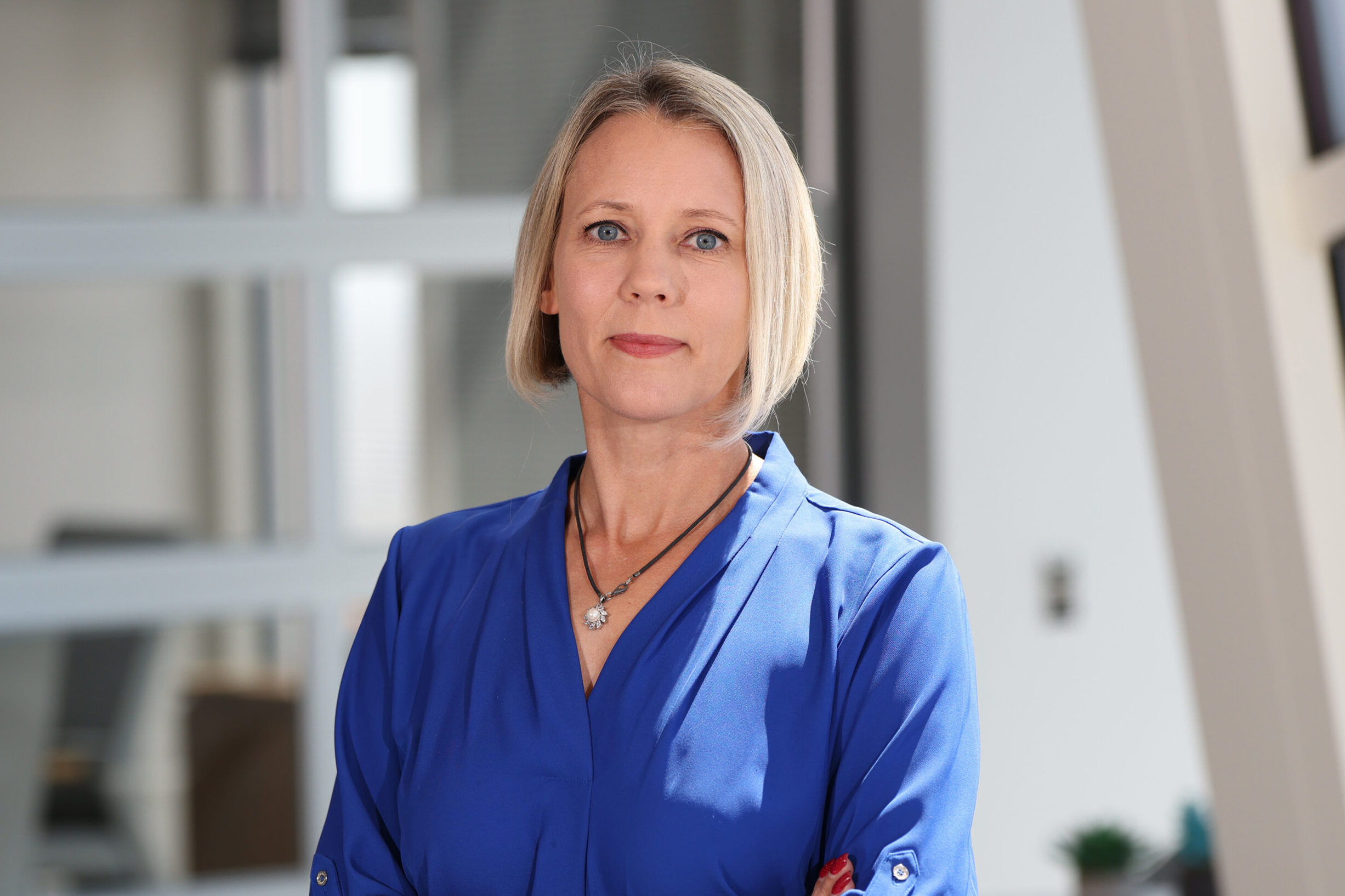

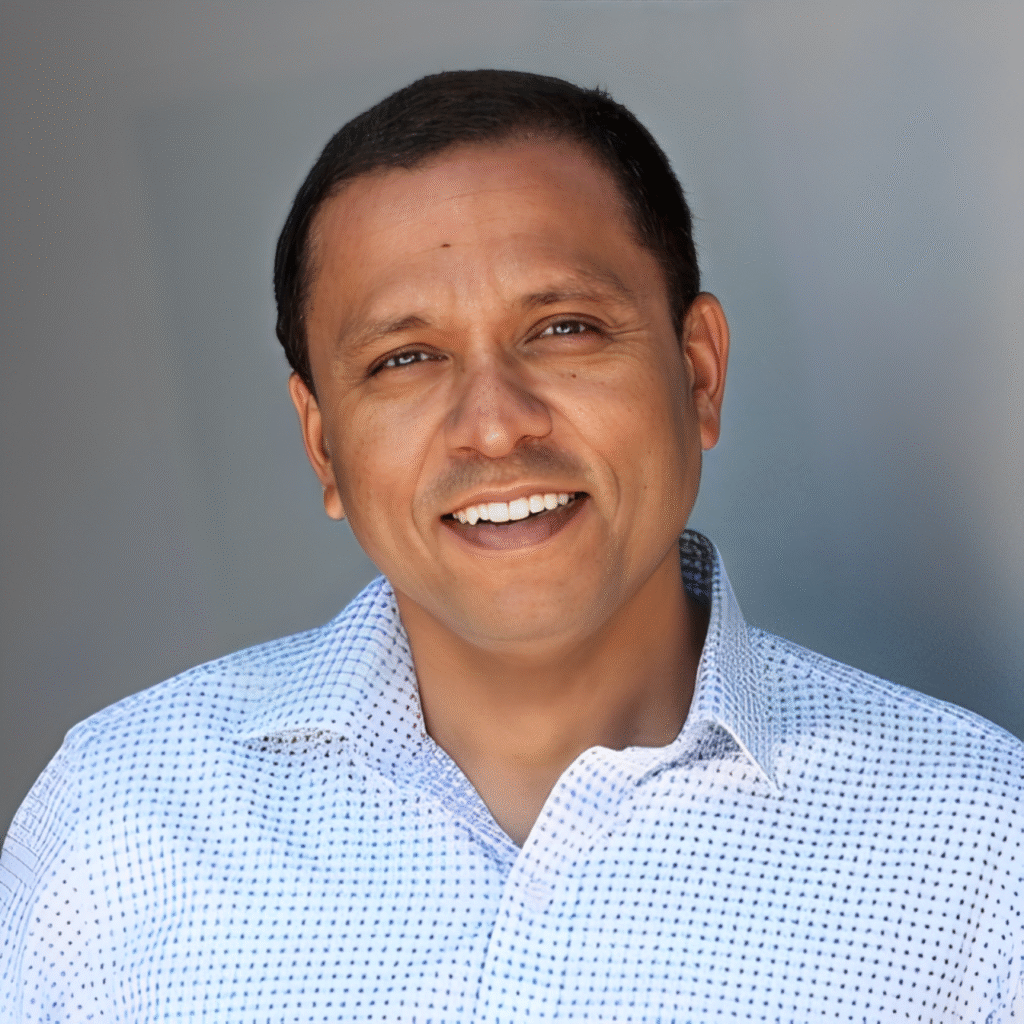
I recently went one-on-one with Lakshman Rathnam, founder and CEO of Wordly.
Adam: Thanks again for taking the time to share your advice. First things first, though, I am sure readers would love to learn more about you. How did you get here? What experiences, failures, setbacks, or challenges have been most instrumental to your growth?
Lakshman: I grew up in a modest middle-class family in India as the youngest of five children. Before I turned eleven, I attended a military boarding school, where I learned discipline, responsibility, and accountability. One of the most important lessons in my career came from a failure. Early on, I was asked to design a fixture to test certain parts. I thought the concept was sound, and we had discussed it thoroughly, but I made the critical mistake of not asking my peers to review the final design. When the fixture was completed, I discovered that it was oversized and essentially unusable. It was a humbling experience. I learned that having a good idea isn’t enough. In order to succeed, you have to be willing to invite others to challenge you, learn from their perspective, and be open to improvement. That lesson has stayed with me throughout my career, including in building my current company. Technology moves quickly, and no one person has all the answers. I’ve learned to stay curious, seek feedback, and remain open to being wrong.
Adam: How did you come up with your business idea and know it was worth pursuing?
Lakshman: A pivotal moment for me came from personal experience at my child’s high school, where many students were first-generation immigrants. While the students were fluent in English, many of their parents were not. The school tried to bridge the gap by holding separate meetings in English and Spanish. Instead of fostering connection, it unintentionally created separation and left families who spoke other languages without support. That experience was an eye-opener. It highlighted just how easy it is for people to feel excluded, even when the intention is to help. It also motivated me to better understand the need for a more inclusive approach. True inclusion means bringing everyone into the same conversation. Determined to bridge this gap, I envisioned a real-time, AI-powered translation solution that would empower individuals and organizations to communicate effortlessly across languages. This vision laid the foundation for the company I founded.
Adam: What advice do you have for others on how to come up with and test business ideas?
Lakshman: I believe the best business ideas start with a real human problem, often one you encounter yourself. Pay attention to the challenges people are experiencing and ask whether there is a better way to address them. You also have to test your assumptions and listen to the people who will actually use what you’re building. The idea you start with may not be the solution you ultimately build, so seek feedback early and don’t become too attached to your original concept. Finally, ask if this is solving a problem that genuinely matters to people. If the answer is yes, and real-world use supports it, you have a reason to keep pursuing it.
Adam: What are the key steps you have taken to grow your business?
Lakshman: For me, growth starts with staying focused on the problem we are trying to solve and making sure we are creating something that genuinely helps people. One of the most important things has been staying close to the people who use our technology and seeking their feedback. Some of our most valuable improvements have come from understanding how people actually experience communication barriers. Growth puts pressure on you to move faster, but you can’t let that come at the expense of quality. We have to continuously improve the technology. You also have to be patient. Building something meaningful takes time, and you have to stay committed while remaining flexible enough to adapt. Finally, think about scale from the beginning. If you are solving a meaningful problem, make the solution accessible to more people without making it prohibitively expensive or complicated.
Adam: What advice do you have for others on how to take their businesses to the next level?
Lakshman: I think the biggest challenge when a business grows is knowing what not to lose along the way. It is easy to focus on more customers, markets, and opportunities and lose sight of the problem that made the business meaningful. Step back periodically and ask: Are we still solving the problem we set out to solve, and are we solving it better than before? Growth also requires you to become comfortable changing. What worked when you were small may not work as you grow. You have to be willing to evolve your thinking and assumptions. For me, taking a business to the next level isn’t simply about getting bigger. It’s about becoming better while helping more people.
Adam: What are your best sales and marketing tips?
Lakshman: Start with the problem rather than the product. People want to know that you understand the problem they are trying to solve. Listen first. Understand what is frustrating them and what they wish they could do differently. Then you can communicate the value much more clearly. Credibility comes from demonstrating real impact. The strongest stories are about what happens when people actually use the technology. Patience matters. Don’t try to convince someone that you are solving a problem they don’t have. The strongest sales conversations happen when there is a genuine match between what you built and what someone needs. Don’t overpromise. Trust is built by delivering quality, listening to feedback, and continuously improving. Your reputation is built by what you deliver.
Adam: What are the most important trends in technology that leaders should be aware of and understand? What should they understand about them?
Lakshman: I would point to two shifts: AI becoming part of everyday work and designing technology around people. First, AI is becoming part of how organizations operate. Leaders don’t need to become AI engineers, but they do need to understand what these systems can do, where they can add value, and where human judgment remains essential. The goal shouldn’t be to use AI simply because it is a trend. Leaders should understand where it can solve a real problem, improve how people work, or make something possible that wasn’t practical before. Second, leaders should think about AI as a tool that can expand human capability, not simply replace human effort. The most valuable technology isn’t necessarily the most impressive; it is technology that helps people communicate, participate, learn, and work together more effectively. Technology is powerful, but with that power comes responsibility. Leaders should ask not only, “Can we build this?” but also, “Should we, and will it genuinely improve people’s lives?”
Adam: In your experience, what are the defining qualities of an effective leader? How can leaders and aspiring leaders take their leadership skills to the next level?
Lakshman: I believe effective leadership comes down to three qualities: passion, perseverance, and attention to quality. Passion matters because people can tell when a leader genuinely believes in what they are doing. When you care deeply about the problem you are trying to solve, that commitment helps give the entire team a sense of purpose. Perseverance is equally important. Every meaningful undertaking comes with setbacks, and leaders have to be willing to stay committed while continuing to look for solutions. Perseverance doesn’t mean stubbornly doing the same thing; it means staying true to the goal while being willing to change your approach. Finally, leaders have to care about quality. Passion and perseverance are important, but they need to result in something that actually works and creates value.
For aspiring leaders, I would also emphasize humility. One of the most important lessons I’ve learned is that you don’t have to have all the answers. Listen to your team, invite people to challenge your thinking, and be willing to admit when you are wrong. Leadership becomes stronger when you create an environment where people feel comfortable bringing different perspectives to the table.
Adam: What is your best advice on building, leading, and managing teams?
Lakshman: For me, building a strong team starts with hiring people who care about what they are doing and then giving them the space to do their best work. When people genuinely care about their work, they bring a different level of energy, creativity, and commitment to the team. Creating an environment where people can challenge ideas is equally important. I don’t want a team where everyone agrees with me. I want people who will tell me when they think I’m wrong. A good idea can still have flaws, and thoughtful disagreement can make the final result much stronger. And finally, make sure people understand why their work matters. When people can connect what they do every day to a larger purpose, they are more likely to take ownership and bring their best to their work. A strong team isn’t one where the leader has all the answers. It’s one where the people on the team collectively have more answers than the leader could have alone.
Adam: What are your three best tips applicable to entrepreneurs, executives, and civic leaders?
Lakshman: Know what problem you’re trying to solve. Whether you’re running a company, leading an organization, or serving a community, don’t lose sight of the people you are trying to help. It is easy to become focused on goals, numbers, or processes. The people affected by those decisions should remain at the center of them.
Surround yourself with people who will challenge you. You don’t become a better leader by always being told you’re right. Seek out people with different perspectives and create an environment where they can disagree with you. Some of the best decisions come from conversations that challenge your original thinking.
Stay committed, but stay willing to change. Perseverance doesn’t mean refusing to change course. It means staying committed to the purpose while being willing to change how you get there. There will always be setbacks and unexpected challenges. The ability to learn from them without losing sight of the larger goal is what allows you to keep moving forward.
Adam: What is the single best piece of advice you have ever received?
Lakshman: When I was graduating from high school, my math teacher wrote in my senior book, ‘The tallest building stands on the ground.’ That message has stayed with me throughout my life. No matter how much progress or success I achieve, I am grounded to the reality that it’s essential to stay rooted, focus on the fundamentals, and remain true to the principles we set for ourselves.
Adam: Is there anything else you would like to share?
Lakshman: If there is one thing I would leave readers with, it is that meaningful work does not always begin with a grand vision. Sometimes it begins with noticing a problem that affects people around you and asking whether you can do something about it. That is what happened for me. What started with seeing families struggle to participate in their children’s education became an opportunity to think about how technology could help people communicate and participate more fully. I have learned that you don’t have to know exactly where the journey will take you. You need to stay curious, keep learning, listen to people, and be willing to change along the way. Ultimately, I think the most rewarding measure of success is not simply how much you build or how much you grow. It is whether what you build makes a meaningful difference in people’s lives.