

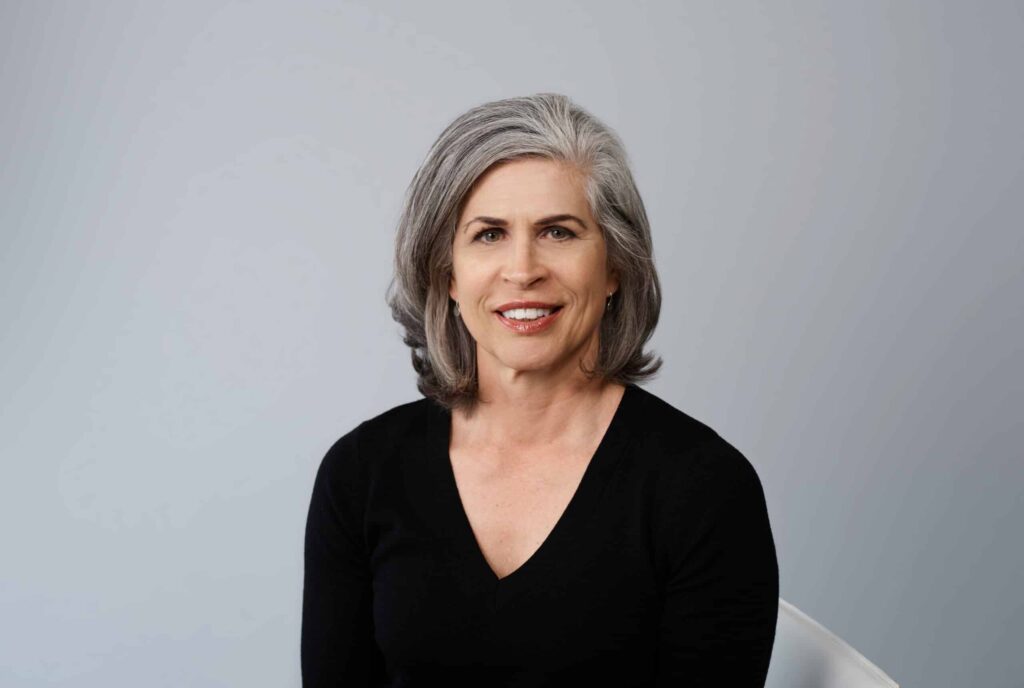
I recently went one-on-one with Monica Nassif. Monica is the founder and former CEO of Mrs. Meyer’s Clean Day and the author of I Bottled My Mother.
Adam: Thanks again for taking the time to share your advice. First things first, though, I am sure readers would love to learn more about you. How did you get here? What experiences, failures, setbacks, or challenges have been most instrumental to your growth?
Monica: The most instructional experiences were my early jobs, such as farm work as a soybean walker, janitor in a beauty salon, truck stop waitress, secretary in the Emergency Room (ER), and much more. My parents believed in the “confidence of a paycheck” and “learning to work with people.” These early experiences taught me to work on the fly, value the results of a job well done, read the room, and adapt to various types of bosses. Working in the ER gave me an incredible perspective about what’s really important in life.
Adam: How did you come up with your business idea? What advice do you have for others on how to come up with great ideas?
Monica: I started my career with Target Corporation in Minneapolis, so I had spent considerable time in stores across the U.S. Then I started a marketing consulting business that served Target and other consumer brands. After about ten years running the agency, I had a eureka moment inside a big-box home décor store, such as Bed, Bath & Beyond (now shuttered), when I saw a beat-up wooden pallet on the floor littered with bottles of household cleaning products. Most of the bottles were tipped over on their sides with garish liquids, 70% off starbursts, and triggers the size of machine guns. The sight of that pallet stopped me in my tracks. I thought to myself, “Why can’t this category be amazing? Why can’t it be just like the consumers’ hair care or skin care products that she has in her home? Why can’t I love these cleaners?”
As for how to come up with ideas, train yourself to connect the dots. First, you have to learn how to collect dots. Here’s how: Walk around stores to study shelves, such as assortments, price points, position on the shelves, etc. Study aspirational brands. Read about other successful founders. Keep notes. Take pictures. Go to art museums. And most importantly, stay curious.
When I had my marketing firm, Kilter Incorporated, we served mostly consumer product companies and retailers. So, I spent ten years helping other brands succeed in the marketplace. My advice would be to study the best brands in the category you want to enter and determine how to disrupt the category. Also, study aspirational categories that serve the same consumer. For example, even though we were in cleaning products, we borrowed many of the marketing tactics from upscale brands in home décor, skin care, and fashion.
Adam: How did you know your business idea was worth pursuing? What advice do you have on how to best test a business idea?
Monica: We were entering a $30 billion commodity category of household cleaning products. At the time, many other commodity categories were moving upstream to the premium sector, such as food, beauty brands, pet food, coffee, and more. To me, it was a matter of time before cleaning products had to keep pace with other home goods.
As for how to test a business idea – here’s how I thought about it. We launched with a completely different brand – Caldrea (named after my two daughters, Calla and Aundrea). We sold this assortment through about 4,000 specialty gift and home stores, and upscale grocery stores across the U.S. Once this brand took off, we knew we had something. That’s why we decided to knock ourselves off to enter the mass market where 80% of all household cleaning products are sold.
Adam: What are the key steps you have taken to grow your business? What advice do you have for others on how to take their businesses to the next level?
Monica: You must ensure the back end of your business, that is, finance and operations, can keep pace with sales. Your IT and warehousing systems must be in place to meet the shipping requirements of large retailers and can deliver purchase orders on time. As we scaled, we instituted a morning KPI (key performance indicators) of sales to goal and ship time (48 hours). Each morning, everyone on our team received the same update.
Adam: What are your best sales and marketing tips?
Monica: Sales: First, be strategic about where you place your product. Every consumer product founder believes that starting with Amazon or Target is the magic ticket. Rarely. Large retailers have immense power about how and where you show up at shelf (or online), with stringent rules of how your product arrives to its warehouses. Practice on smaller retailers so you can prove that you have momentum (reorders) and understand how to ship without chargebacks (fines for not following shipping rules or showing up late). This way, you can work out the kinks in your operations before playing in the major leagues.
Second, never stop selling. Never. No is only the beginning of a conversation. I had so many people tell me no, no, a thousand times, no. Keep going. Selling is never done.
Marketing. You must begin with a product or service that disrupts the category. Small, imperceptible enhancements to a current item rarely will be noticed. Stand for something. Make a promise to the consumer and execute. For example, our brand promise was to provide earth-friendly, aromatherapeutic household cleaners in amazing fragrances that you could use to clean your entire home. AND you would love to keep our bottles on your counter. We wanted our products to be thought of as “jewelry for the counter.”
Adam: In your experience, what are the defining qualities of an effective leader? How can leaders and aspiring leaders take their leadership skills to the next level?
Monica: An effective leader holds the lantern to light the way forward. They articulate the mission and values of the new company. They bring in talent who can compete at the highest level. I loved nothing more than creating an up-tempo, highly competitive culture.
As the company scales, the role of the founder must change. You have to step back and allow others to lead. One way to do this is to always keep learning, always keep showing the team what the future looks like. When times are dark (sales slump, manufacturing line breaks down, a shipment of laundry detergent freezes on the Vail Pass in a semitruck…you name it…it will happen), you have to show the team how to think about finding solutions. Employees watch every move a boss makes.
Adam: What is your best advice on building, leading, and managing teams?
Monica: I believed in working alongside all of my employees. If we had to set up a trade show booth at midnight because someone lost our crate of products, well, I was there, too. You must stay in the trenches with your employees. And over time, I learned that I didn’t have to have all the answers. Typically, the employees closest to the issue know the best course of action. Ask them what to do. Ask them how they see this situation playing out – good or bad – so they begin to also think about unintended consequences of their decisions.
Adam: What are your three best tips applicable to entrepreneurs, executives, and civic leaders?
Monica:
- Saw off the branch you’re sitting on. This way, you’re forced to reach for the one above you. Keep growing and re-inventing yourself and your business.
- When you have to eat a turd, don’t nibble on it. When you have a problem, fix it and move on.
- Make decisions to move forward. I had a boss who told me, “I make five decisions a day, two are bad, but I keep making decisions.”
Adam: What is the single best piece of advice you have ever received?
Monica: Look forward through the windshield, not the rear-view mirror, which is much smaller.