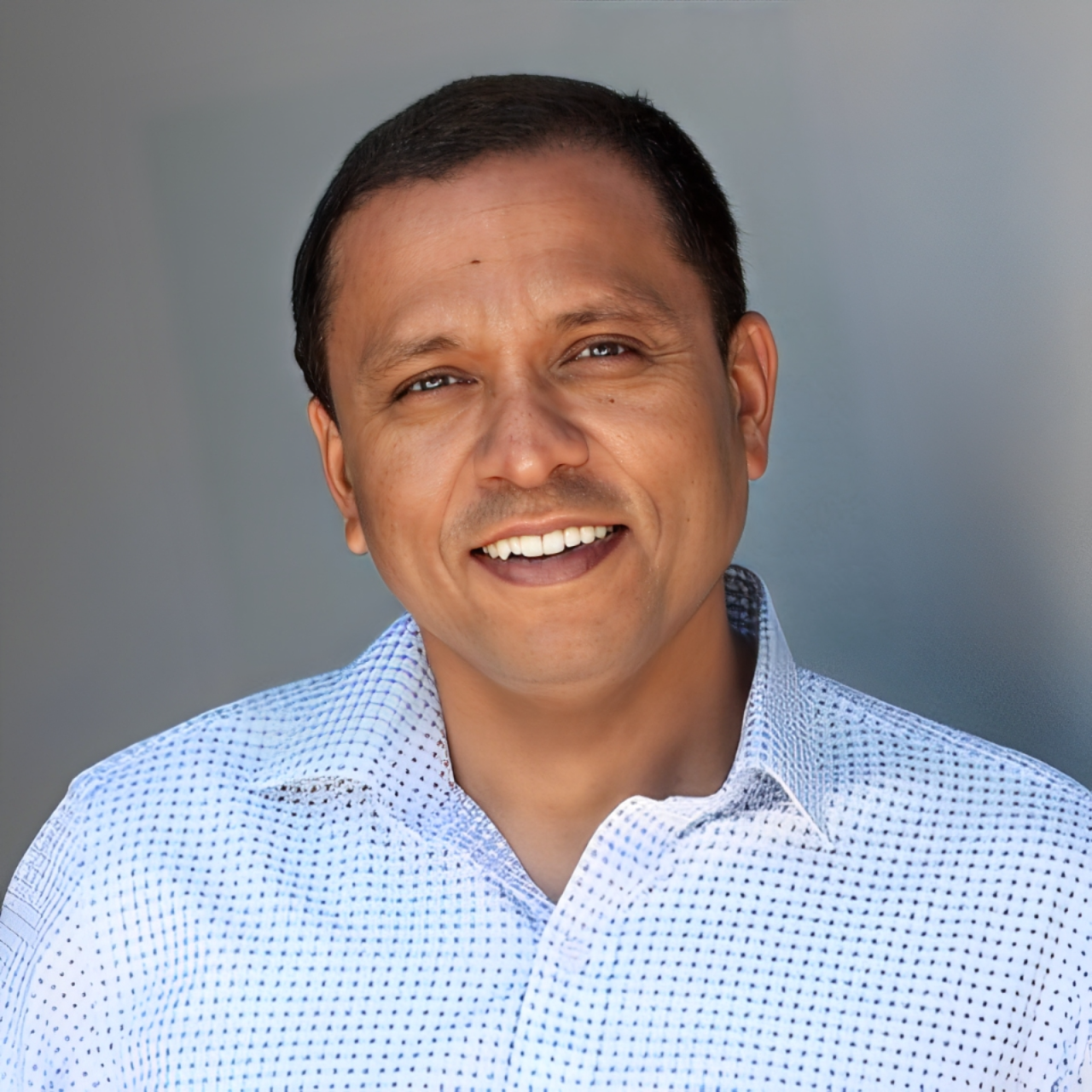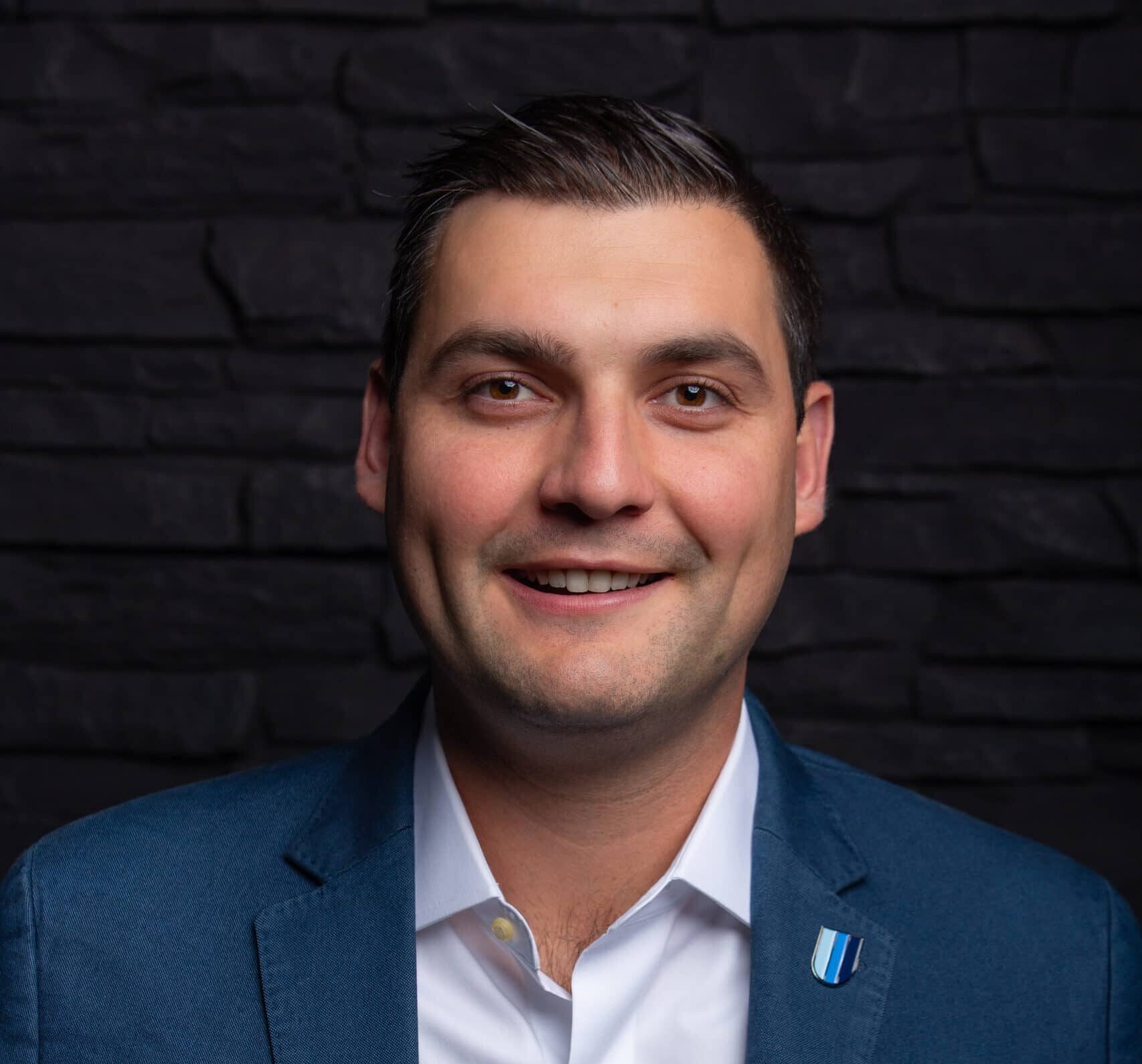

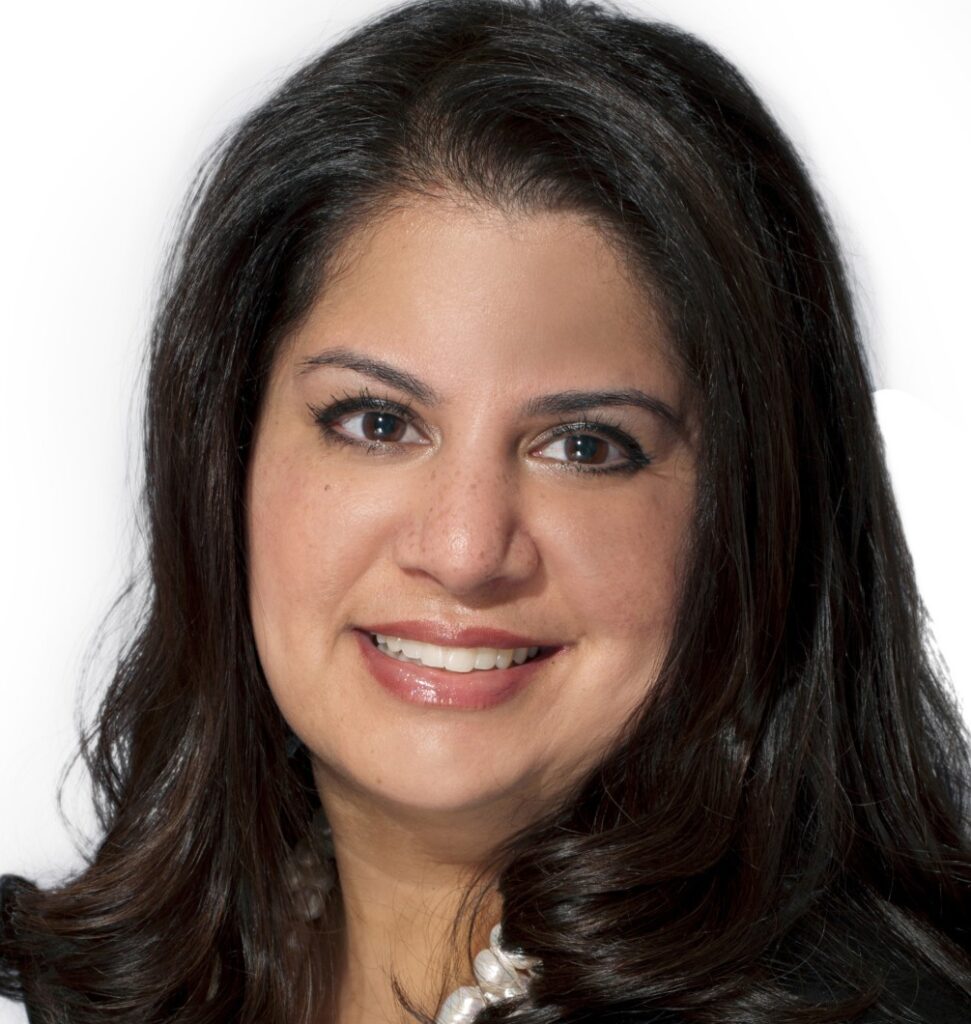
I went one-on-one with Nadine Mirchandani, EY Global Deputy Vice Chair and EY-Parthenon Global Deputy Leader, Strategy and Transactions, in an interview coordinated around the 2026 Milken Institute Global Conference.
Adam: You cut your teeth in the world of accounting. What compelled you to pursue a career in accounting? What did you learn from your early days working as an accountant?
Nadine: It’s a great question, so thank you very much for giving me an opportunity to explore that a little bit. I actually didn’t set out, I think, when I was going to school and university, to be an accountant. I knew I had a lot of respect for what the language of financial reporting allowed, but I really didn’t think that was where my direction was going to be. As I progressed through my undergraduate degree in business, I really wanted to focus on corporate finance and strategy, and a lot of it kept coming back to numbers and the stories that numbers tell you, the data they provide, how to make good decisions grounded in data, and how to read financial information.
I didn’t graduate, qualifying to go directly into the accounting path, but I decided to go back and take courses in order to do that for a few reasons. One was that I wanted to make sure that, as much as I focused on growth and strategy or corporate finance, I also understood the language of business, which at the time was financial accounting and reporting. I thought that would be additive. I also have memories of my father, who ran a small business in addition to working in a corporate environment, and he had old-school ledgers. I thought it was such an interesting way to tell the story of his business to the people financing it or to shareholders.
The other thing that was really interesting to me was that I grew up in Canada, and most of the public company CFOs there, in fact, most CFOs there, had chartered accountancy backgrounds. I really thought that might be a pathway I wanted to follow in corporate Canada or the commercial corporate world, and I thought it would only help me to have that designation. Then there was a third reason. As I listened to people who came back to recruit on campus, I noticed that the people who wanted to do marketing or more creative work were often spending their first few years sitting in offices doing analysis and looking at data, not necessarily engaging with clients or consumers. But the people in accounting and consulting were the ones directly engaging with clients, hearing their stories, and working closely with them. I really wanted that real-world experience of engaging with people who were in the business of business early in my career.
That was why I shifted into the financial accounting world and pursued my chartered accountancy in Canada. I’m also now a CPA in the US. It was an absolutely amazing foundation across technical skills, breadth of understanding of business, and how that translates into financial outcomes, and the ability to engage with clients around their priorities, opportunities, risks, and decision-making. It was a phenomenal foundation intellectually, technically, and relationship-wise.
Adam: You shared a lot there that I’d love to unpack. One of the things you shared is something I’ve always found interesting, which is that when people think about marketing, they don’t realize how data and numbers-driven it is. When people think about finance, they don’t realize how sales-driven it is. Oftentimes, people, when they’re first starting out, say, “Well, I’m not good at numbers, so I’ll go into marketing,” or they say, “I’m really interested in numbers, but I don’t like people or relationships, so I’ll go into finance.” That misnomer is fascinating, and the earlier you understand and demystify that, the more successful you’ll be and the better you’ll be able to figure out what you should pursue.
Nadine: You’re exactly right. I think people really do have misconceptions around the core of jobs, but also around the skills and building blocks that make you successful in different roles. Above all, you really need to be good at a lot of things in business. You can absolutely have areas where you’re stronger than others, but you do need to be multifaceted and grounded. I don’t think you can walk away from technology, math, customer experience, market experience, or any of those areas. They all matter. They may matter in different ways depending on the role, but they all have a place.
I was amazed too, to be honest with you. I also had the view that creative people went into marketing and advertising, that high EQ people went into talent strategy and human capital roles, and that the analytical numbers people only went into finance. It’s so not the reality. I really encourage people to take the time to understand not what titles do, but what people actually do in organizations and what makes them successful. I think we rely too heavily on titles instead of understanding the substance of the role and how careers evolve and grow over time.
I often discard titles completely and try to get to the substance of what someone does every day. What decisions do they make? What expertise do they rely on from others? What strengths and weaknesses are involved? Are you willing to strengthen the areas where you need to grow? I found it incredibly important to listen to alumni and understand not titles, but responsibilities, decisions, and how careers actually unfold. Titles are just shorthand organizational constructs. I’m not sure they really capture the substance of what people do today or what opportunities exist for people to bring their unique mix of skills to a role.
Adam: Titles can be very misleading. They can be very confining. If you label yourself or label other people, you put people in boxes, and it’s a mistake we make all the time. It’s no different when you have a title on your business card or LinkedIn profile. The most successful people are the people who work beyond their title, who are flexible, adaptive, and who have the mindset that whatever they’re asked to do, they’ll figure out how to do it. Sometimes they won’t even wait to be asked. They’ll look one step ahead, two steps ahead, three steps ahead, and figure out how they can add value.
Nadine: Exactly. I think we’re at a time now where what’s true today may not be true tomorrow or two years from now. The exciting thing is to think about what’s possible and what can evolve. Are you signing up for learning? Are you signing up to expand your skill set? Are you signing up to be curious about topics that you previously didn’t think would matter in your work environment?
I did my chartered accountancy and CPA, and it was a phenomenal experience, but what I really loved was helping companies achieve growth. It became a way to marry my earlier interests in business school around growth and strategy with the financing and capital required to achieve it. I shifted into a lot of capital markets work during the early technology dot-com era, helping companies seek capital, work with investors, and navigate public markets. I got to return to the world of growth and corporate finance, but I did it with this incredible contextual foundation in financial accounting and reporting.
I kept that technical strength and used it to my advantage as I shifted into more advisory and capital markets work. One of the biggest lessons for me is that just because you go one direction doesn’t mean you have to keep going in that direction forever. You can zigzag back. I think that’s a really important message. Agile skills are incredibly important, and just because you started in one place doesn’t mean you made a mistake if you later move somewhere adjacent to it. Going into accounting and then moving back toward corporate finance wasn’t a mistake. It was very deliberate and additive. It differentiated me because I had a skill set that others didn’t have. Every experience becomes valuable if you choose to make it valuable.
Adam: What I’m really hearing from you is that to be successful, a lot of it is about finding that sweet spot where your skill set meets your interest. In your case, you developed a skill set grounded in your years working in accounting, learning accounting, and pursuing the professional accreditations both in Canada and the US that you need to pursue a career in accounting. But your interest was adjacent to accounting, and it took you a little time to figure that out. In order to figure that out, you had to try different things. Once you figured out where your interest was, what you were able to do was leverage your background, leverage your skill set, and shift it toward where your passion actually was. When you’re working in an area that you’re passionate about, and you’re able to work in that area in a way where you’re bringing real value because you have a real skill set, that’s when you’re going to be successful.
Nadine: Exactly. Very well said, and I 100% agree. It’s that intersection of skill, passion, and potential. I think that’s where the magic happens. I also think it’s important to recognize that it can change and evolve over time because we evolve over time. I’ve been very fortunate to be given opportunities to stretch and take new chances. The first nine years of my career were in Canada, where I had moved into the world of transactions and strategy. Then I moved to the US after working on some very large transactions. A lot of that work came from serving financial services clients, but I had also been asked to take on work in telecommunications around a major transaction. That forced me to learn a whole new industry, and through that experience, I realized that what I was truly passionate about was financial services.
When the opportunity came to move to New York in 2002, if you were a financial services person, that’s where you wanted to be. It certainly was for me. It was a chance to reconnect with my passion for the industry, my passion for helping companies achieve their strategies and objectives, and, personally, it was an opportunity to continue growing through new experiences. Moving to New York allowed me to do that, and it set off another important chapter in my career. I think there’s real value in constantly finding joy in new opportunities and taking chances on yourself, even when they don’t seem like the most obvious or traditional path.
Adam: You shared something interesting that I’ve heard from other people I’ve interviewed, which is the importance of proximity. If you want to work in tech, be in Silicon Valley. If you want to work in entertainment, be in Hollywood. If you want to work in finance, be in New York. It doesn’t have to be completely black and white, but it’s a lot easier when you’re right in the center of the action. You were in Canada and absolutely could have had a successful career there, but moving to New York made it a lot easier.
Nadine: One hundred percent. I think it’s about being part of an ecosystem. In New York, you’re immersed in the ecosystem of financial services. You hear about it constantly, you talk about it constantly, and the people you engage with are in that world. In many respects, it becomes immersive education. You absorb things almost by default, and you have access to some of the best thinkers in the world. It raises the bar and raises the game.
For me, it accelerated learning. It accelerated my understanding of what excellence looked like in that industry and what standards I needed to aspire to. I needed to become a student of that environment. It’s very similar in technology or entertainment or any industry where there’s a concentrated ecosystem of talent and ambition. It creates an environment where you’re constantly learning through relationships, experiences, and exposure.
The only caution I would add is that you also can’t live in an echo chamber. Just because you’re focused on financial services doesn’t mean you should only listen to people in financial services. You still need to understand what’s happening in other industries and actively seek perspectives outside your own environment. Particularly in financial services, where your clients come from every other industry, it was important for me to be deep in my own industry while also thinking horizontally and learning from industries that moved differently or faster.
One of the most interesting client conversations I remember involved a company struggling with client experience. We asked, “Who provides the best customer experience in any industry?” At the time, the answer was hospitality and theme parks. If you went to Disney, you had an experience. We asked ourselves what lessons could be brought from that world into another industry. As much as you want to be immersed in your own ecosystem, you also need to deliberately expose yourself to ideas that challenge how you think.
I remember speaking with a client years ago, and he used a phrase that always stuck with me. He said, “I seek constructive collision.” He didn’t mean physical collision. What he meant was creating an environment where constructive discourse was celebrated. Constructive discourse doesn’t mean everyone agrees. It means someone is willing to take the alternate side of the debate, challenge assumptions, or imagine a different outcome than the one everyone else sees.
I think leaders sometimes unintentionally create echo chambers because they naturally gravitate toward people who can execute against the agenda they’ve already established. There’s certainly a place for execution, but there also needs to be room for people who bring challenge and perspective. It’s not always comfortable to have people challenge you, but you become better because of it.
We need to deliberately invite that into our teams, projects, boardrooms, and leadership tables. Leadership echo chambers are dangerous because you miss things. You can become tone deaf. Some leaders don’t actually want challenge, but I believe we’re in the business of best thinking, and best thinking rarely comes from people who all think the same way or simply tell you what you want to hear.
Your best advisors are often the people who say, “Maybe not,” or “Have you thought about it this way?” You have to intentionally invite those voices into your environment. You also have to seek out people who are connected to different networks, different parts of the organization, or different industries that can show you what you can’t currently see.
As you become more senior, one thing that happens is that people stop volunteering perspectives as openly. At that point, you have to become introspective and ask yourself why. Have I communicated, intentionally or unintentionally, that I don’t want to hear difficult perspectives? Or do people believe they won’t be heard? I think that’s an incredibly important leadership lesson.
Adam: You need to have a high level of self-awareness to be able to get to that place, and many leaders lack that level of self-awareness. Great leaders have that level of self-awareness.
Nadine: Yes, I agree. I’ve always been very honest about the fact that I don’t know everything, and what I want are people who are better at certain things than I am to help me be better collectively and to help the organization be better collectively. Sometimes I get that right, and sometimes maybe I think I’m inviting challenge more than I actually am. But I do think confidence to be wrong is a really important quality. Confidence to invite challenge is also incredibly important.
That has to come from high EQ and self-awareness because leadership isn’t about binary right and wrong. Everything is nuanced. The goal is to arrive at the best outcome and the best solution. It absolutely takes a high level of EQ and self-awareness. I’m fortunate to work in environments where leadership is viewed as a real skill and trait in and of itself.
People often assume the best producers or the best client handlers automatically become the best leaders, and sometimes that’s true, but not always. We have to think more deeply about what leadership actually requires. Leadership is about gaining intellectual followership, but also emotional followership. People need to feel seen, heard, and valued. They need to understand that they have a meaningful place in the ambition you’re setting and that their contribution matters.
Increasingly, I think leaders are amplifiers and connectors. If I could be known for one thing, I would love it to be as someone who seeks potential in others and helps unlock it. To me, that’s what leadership is really about.
Adam: What was your evolution from individual contributor to leader? As a leader, how do you identify people who not only have the capacity to be great individual contributors, but also great leaders?
Nadine: We have a really strong apprenticeship model in professional services. You work closely with peers, and you work closely with people who are more senior than you. Early on, you’re taught that it’s your obligation to learn, but it’s equally your obligation to teach, share, and pass knowledge along. There’s a real stewardship mindset built into the culture, and I think that’s one of the unique things about professional services and certainly the Big Four environment where I spent much of my career.
Very early on, you develop domain expertise and technical capability, but then you also start learning the human side of leadership. How do you communicate effectively? How do you motivate teams? How do you build teams? It’s a very human experience because you’re constantly working on projects together, often under pressure and in complex situations.
You start to see people who don’t yet realize they have tremendous potential, and you want to help develop that. You also encounter people whose skills are more mature than yours, and you want to learn from them. Again, it comes back to the idea that it’s not about rank or title. It’s about how collectively we unlock potential.
I’ve always looked for people who are curious, people who value continuous learning, people who really believe in their craft and want to continue developing their expertise. Beyond that, I look for people who have a spark of something that maybe isn’t fully defined yet, but you can see it’s there. It’s a very human and experiential process.
I’ve been fortunate to have incredible peer mentors, but equally important, I’ve had sponsors who were ahead of me in their careers and could see potential in me that I didn’t yet recognize in myself. They created opportunities for me to stretch, grow, and test myself. Sometimes those opportunities revealed strengths I didn’t know I had, and other times they revealed areas I needed to improve.
I’m a huge believer in both mentorship and sponsorship. Sponsorship is particularly important because sponsors actively create opportunities for people. But there’s mutuality in that relationship. You have to earn it. You deliver great work, great analysis, and strong client relationships, and in return, senior leaders invest in your development and growth. That’s the mutual proposition inside organizations.
I always encourage people to understand that opportunities are earned, but they also require organizations and leaders to create space for people to demonstrate what they’re capable of.
Adam: You mentioned mentors and sponsors as keys for you on your path from being a very strong individual contributor to becoming a senior leader at a Big Four firm. Beyond mentors and sponsors, were there moments or experiences that you look back on and say these were real accelerants for me, experiences that changed the trajectory of my career and leadership journey?
Nadine: There were definitely a few major inflection points. The first was my move to New York. I had spent a very successful nine years in Canada, and during that time, I worked on some large international transactions, including projects that took me to London for extended periods. I had already developed a bit of a global mindset, and I loved working on large, complex opportunities.
When the opportunity emerged to help build a financial services strategy and transactions practice in New York, nobody specifically asked me to go. I raised my hand. I had worked with partners in both Canada and the US who knew my work and had seen me in action, and I said very directly that I wanted the opportunity. I explained what I thought I could contribute and what I hoped to gain from the experience in ways that would also benefit the organization.
That was probably the first major career ask I ever made. It took me nine years to get to the point where I felt I had earned the right to make that ask. I had to demonstrate technical capability, subject matter expertise, and the ability to handle complex situations in global environments before I felt ready.
The second major inflection point was the Great Financial Crisis. Sometimes events happen in the world that nobody controls, and they fundamentally change your experience as a leader. At that point, I had already been promoted to partner and was building a growing business. Suddenly, we were operating in an unprecedented environment where nobody had all the answers.
What stood out during that period was the sense that we all had to stand beside one another and put the best minds to work collectively. It was absolutely a team sport. We worked closely with clients, advisors, and each other, trying to navigate extraordinary circumstances. Professionally, it was one of the greatest learning experiences of my life, but personally as well. It was stressful, high-stakes, and emotionally intense. You learned how to navigate complexity and uncertainty in real time.
The third major inflection point came when I was asked to take on my first major leadership role with P&L responsibility a few years later. Looking back at all three experiences, none of them were solo efforts. They all involved sponsors, mentors, coaches, and teams who were willing to go on the journey with me, even when none of us had perfect visibility into the future.
There was trust, there was collective wisdom, and there was a belief that we would be better if we moved together. Those experiences became foundational for the next phase of my career and ultimately led to my current global role as Global Deputy Vice Chair for EY-Parthenon Strategy and Transactions.
When I look back, the progression has been very incremental and deliberate. You don’t wake up one day with all the skills required to lead at scale. Leadership develops slowly through the choices you make personally and the experiences organizations give you to help you grow.
Adam: You used the word global. You’re based in the U.S, but you have a global background in that you cut your teeth in Canada, lived in New York for many years while building your career, and now lead a huge area within a global company focused on global business. What are the keys to succeeding globally and leading globally?
Nadine: It’s a great question. First, I think you have to genuinely want to be a global citizen in some respects. You have to want to understand the world generally and then specifically in a commercial and business context. For me, it was a very deliberate choice to want to work with global companies in the global marketplace.
It’s absolutely a privilege to work with our businesses across the globe. Doing business in Europe is different than doing business in India, which is different than doing business in Japan, and of course different than doing business in the US. Because of that, I think it requires a few things. One is that you really do have to understand geopolitical environments, macroeconomic environments, and competitive dynamics across different markets. You have to be a student of all of it.
The second piece is more personal and interpersonal. You have to develop style flexibility. You need to be able to operate effectively across different cultural environments. I was fortunate to grow up in a family that traveled a lot. My parents were originally from India and immigrated to Canada, so culturally we always understood that people come from different places and see the world differently. You learn how to respect different cultures while still remaining authentic to yourself.
For me, one of the greatest joys has been continuing to build that capability. The way you build trust, relationships, and credibility differs across cultures. The pace at which you engage people differs. The expectations around communication differ. It requires knowing yourself, but also being willing to flex to what others need.
As you become more senior, leadership becomes less about you and more about the people you serve. How do I show up in the way that they need me to show up in order for us to achieve the best outcome together? That’s an ongoing learning process because the world itself is changing quickly. Cultural norms evolve, generational expectations evolve, and leadership expectations evolve globally.
People ask whether globalization is expanding or contracting, and I actually think we’re entering a period of reglobalization. We’re deeply connected as a world, and I think that’s a beautiful and enriching thing. But it also means you have to consciously choose to remain relevant, respectful, and effective across borders.
Adam: You brought up how much the world is changing, and the only constant right now is change. If you don’t know how to lead through change, you’re not going to be leading for very long. What are the keys to leading through change, leading through transformation, and leading transformation?
Nadine: It really is such a defining moment, although I actually don’t think it’s just a moment anymore. I think this is the foreseeable reality of leadership going forward. One thing I constantly challenge myself to do is separate noise from signal because there’s an enormous amount of noise in the environment right now.
My role is focused on long-term sustainable growth. We work with clients to help them achieve long-term sustainable growth, and ultimately, that’s what CEOs are trying to deliver as well. Part of that is understanding that shocks and disruptions are no longer exceptions. They’re now part of strategic design itself.
I was at the Milken Conference recently, and one CEO said something that really stayed with me. He said shocks now have to be built into strategy itself instead of simply being reactions to strategy. That’s just the world we live in. There will always be external disruptions, geopolitical changes, technological disruptions, and unexpected events. The question is whether your strategy is durable enough to absorb them while keeping the same North Star.
The North Star may remain constant even if some of the paths or decisions around it evolve. That’s become a real mantra for me. When I find myself getting distracted, I ask myself whether I’m responding to noise or signal. Does this actually change the North Star, or is it simply a temporary disruption that requires adaptation without changing direction?
I also constantly ask myself whether I’m operating in my highest and best use. My team laughs because I use that phrase all the time, but I genuinely believe leaders have to focus relentlessly on where they can create the highest impact. It’s very easy to get consumed by the latest news cycle or latest disruption, but we still have to solve for long-term growth and long-term value creation.
That means staying grounded in the true signals that matter while calming some of the noise internally within organizations and externally in the marketplace. It doesn’t mean ignoring reality. It means understanding which realities actually require strategic change and which are simply distractions.
Adam: It requires a tremendous amount of discipline to spend your time on your highest and best use. How do you figure out where your highest and best use actually is?
Nadine: I joke that I have a to-do list that never gets done. Sometimes I measure whether it was a net-add day or a net-subtract day. But the reality is that time is finite, so I focus on the big rocks that truly move things forward. I reprioritize constantly. One thing that still bothers me is disappointing people. If I tell someone I’m going to get something done for them and then I have to shift priorities, that’s difficult for me. But I’ve learned to say, “I know this is important, but today I need to focus on something else because it’s going to have broader organizational impact.”
Part of leadership is communication and transparency around those decisions. If I can’t get something done today, I try to clearly explain why and commit to when I will deliver it. There has to be trust that when I’m prioritizing something else, it’s because I genuinely believe it’s the right decision for the organization collectively. My team laughs because I constantly ask myself whether something is my highest and best use, but I genuinely think leaders have to challenge themselves that way. Sometimes it also means realizing that something important doesn’t actually need to be done by you personally.
That was a lesson I had to learn over time. There are people around me who are absolutely capable of owning important work and moving agendas forward without me directly involved. Part of leadership is learning to let go and recognizing that someone else may actually be a better steward of a particular initiative than you are. I think earlier in our careers, we sometimes equate being busy with being valuable or important. But being busy itself isn’t the goal. Being focused on the right things is the goal. And creating an organization that can thrive independently means surrounding yourself with people you trust and empowering them to lead as well.
Adam: How are you utilizing AI as a leader? How are you creating a culture of AI as a leader?
Nadine: We talk a lot in our organization about the “say-do gap,” where leaders say certain things but don’t necessarily do them themselves. AI is one of those areas where I realized very quickly that if I was going to ask people to infuse AI into how they work and how we advise clients, then I needed to do it myself first. For me, it started very personally with productivity. I committed to doing the learning, attending the sessions, participating in the trainings, and carving out the same time that I was asking everyone else to carve out. I started experimenting with AI in my own daily work.
At first, it was mostly around productivity. I would use it to help prioritize my day or organize my workload. I’d literally ask it to help me identify the three things I should focus on based on my calendar, emails, and priorities. I also started using it in fun ways personally. My husband and I travel a lot, and I hate wasting food, so I’ll take a picture of what’s in the refrigerator and ask AI to suggest recipes that use most of the ingredients. Over time, though, that evolved into something much more strategic. AI is now central to how we think about advising clients, building platforms, and shaping strategy. We’re very excited about our AI-first strategy and the ways we’re using data and agentic AI capabilities within the business.
At the same time, I spend a lot of time learning from what’s happening at the frontier of AI development. I meet with alliance partners, technology companies, and people in Silicon Valley because I know the landscape is evolving quickly. I’m still learning. I’m experimenting with prompts, learning how to vibe code, and developing skills that I didn’t even know existed a year and a half ago. What’s important to me is having the credibility as a leader to not just tell people to embrace these tools, but to walk alongside them in the process and demonstrate that I’m learning too.
Adam: Leadership starts with leading by example.
Nadine: Exactly. I completely agree.
Adam: Is there anything else you’d like to share?
Nadine: No, this has been a great conversation. I guess what I would share is that I learned from the questions you asked. Through this conversation, I could understand some of your leadership insights and leadership lessons, and I appreciate you sharing them back to me because they prompted me to think differently and ask myself different questions as well. Thank you for all the work you do through your podcast. Leadership is a skill and an ability in and of itself, and the work is never really done because leadership continues to evolve, change, live, and breathe. I think that’s what makes it exciting. I think that’s what makes organizations exciting as well. So thank you for helping all of us continue to grow and develop the craft of leadership.