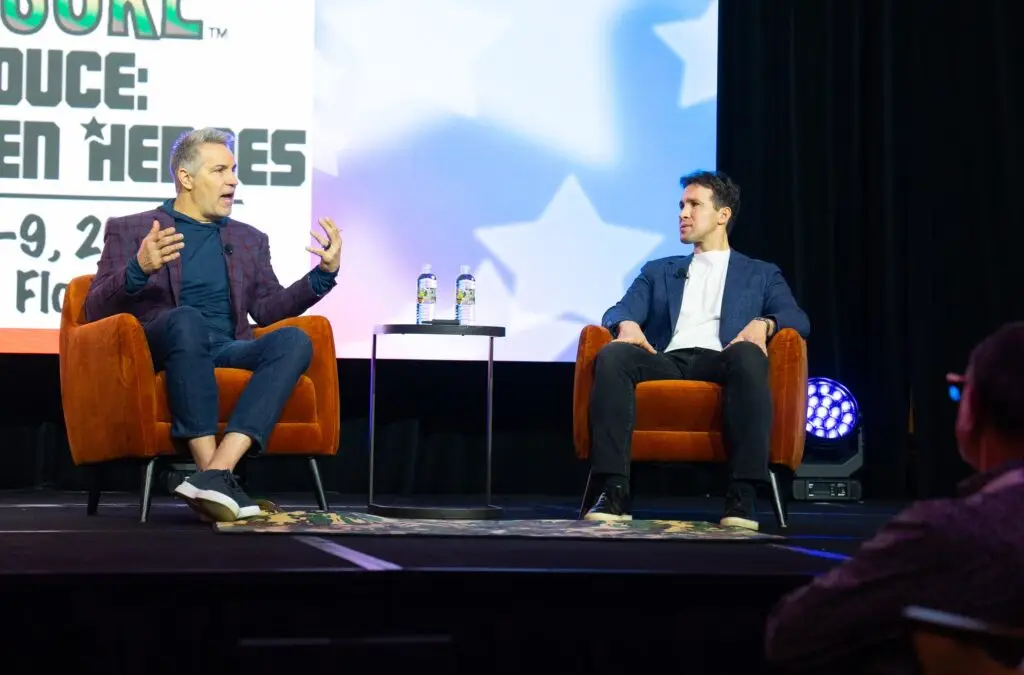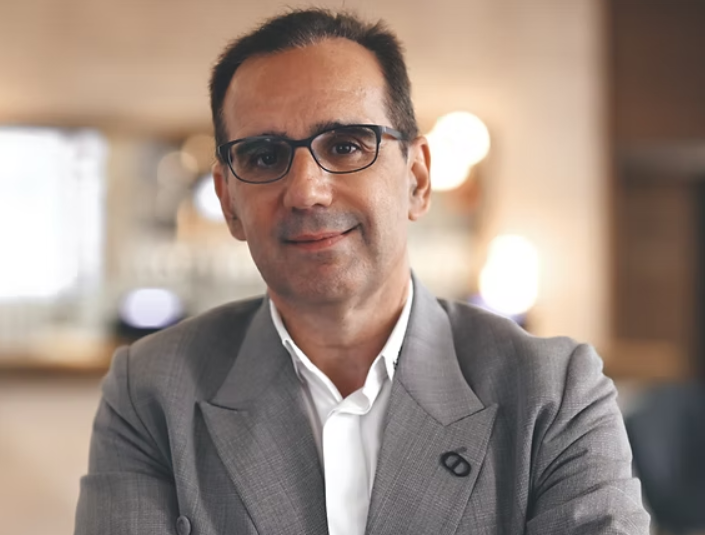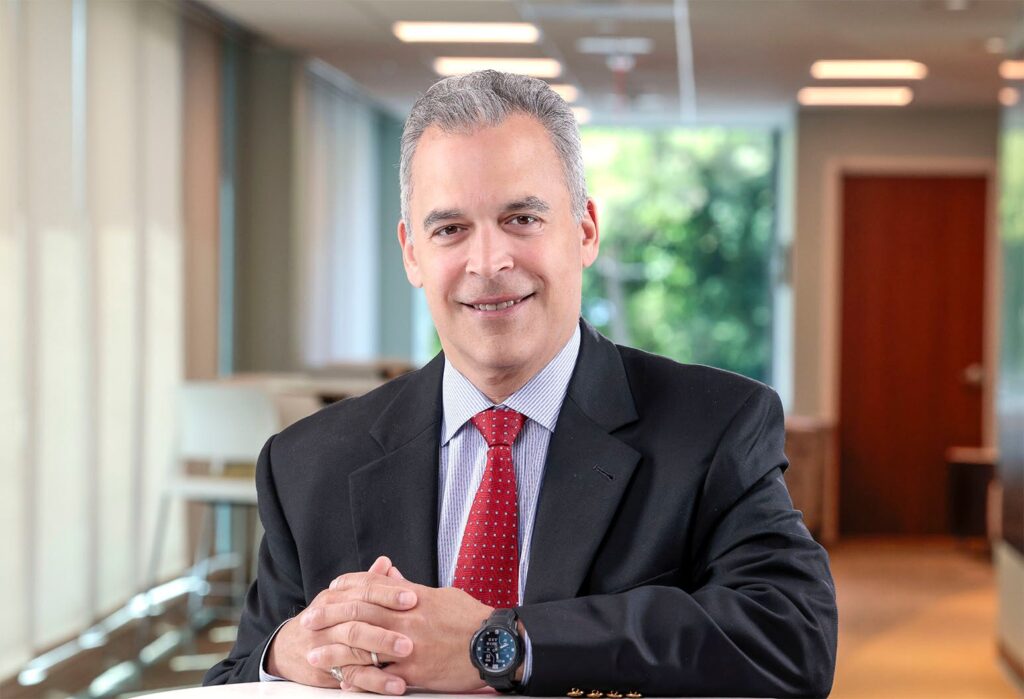
I recently went one-on-one with Ramon Soto, Chief Marketing & Communications Officer of Northwell Health.
Adam: Thanks again for taking the time to share your advice. First things first, though, I am sure readers would love to learn more about you. How did you get here? What experiences, failures, setbacks, or challenges have been most instrumental to your growth?
Ramon: I never imagined I’d be a marketer; I even applied to the Secret Service and FBI out of college. But once I took my first job as a “mad man” in advertising in New York City, I fell in love with it. The real turning point in my career was when I joined Northwell in 2015. Healthcare was facing a crisis of relevance. People trusted their barista more than their doctor. We were losing credibility to Dr. Google (and now we see the same trend with the rise of ChatGPT). When I first arrived, Northwell wasn’t the cohesive brand it is now. It was a collection of individual hospitals; we definitely had an identity crisis. My goal became clear: re-establish credibility in healthcare and unify our health system under one umbrella with one shared mission.
It would be remiss not to note COVID and how that tested everything we believed about marketing. In March 2020, we had to throw out our entire playbook. The world needed resources they could trust, information, and to spread calm among the chaos. That pressure cooker taught me that purpose drives performance.
Adam: What are three things everyone should understand about marketing?
Ramon: First, marketing is anthropology, not advertising. The best marketers I know spend more time trying to understand human behavior, their wants, needs, and drives than crafting creative. For example, our research showed that many parents want to know if there’s an unlocked gun in the home when their child is visiting a friend’s house, yet only a few would actually ask that question. That insight became the foundation for our purpose: to reframe gun violence for what it is, a public health crisis. That launched two national PSA ad campaigns, a national gun violence forum (now in its seventh year), and a collaboration with the Ad Council. You find those insights by studying people, not PowerPoints.
Second, attention is the only currency that matters. We’re not competing with other healthcare systems for eyeballs; we’re competing with everything on someone’s phone. That’s why we produce documentaries and feature films – to use a new channel of healthcare storytelling to reach people. When your nurse choir gets the Golden Buzzer on America’s Got Talent and reaches 700 thousand plus viewers, you’re playing in different game entirely. Third, movements beat campaigns every single time. Campaigns have end dates; movements, they’ve got lasting momentum.
Our ‘Raise Health’ platform isn’t just a campaign; it’s a movement, a rallying cry for all the communities we serve to join us in fixing what’s broken in healthcare. From confronting gun violence to championing maternal health, women’s wellness, and cancer care, for us, healthcare is fundamentally about partnership. It’s about being deeply present in people’s lives, understanding their journey, and tackling the critical issues that matter most, together.
Adam: What are three things people who work in marketing should understand?
Ramon: Marketing is change. It’s always present, always moving, just like our culture. As marketing leaders, we need to change and adapt or die. Think about it: the internet fundamentally reshaped how we interact personally and how brands communicate. Then, social media didn’t just disrupt; it reinvented how consumers connect, get information, and expect brands to show up. Now? It’s AI. Every single day, new AI-driven interactions and platforms are emerging, instantly disrupting the old guard. Some platforms will thrive; others will vanish, but brands that stand still are going to become extinct.
Second, marketing without measurement is just expensive art. Every creative decision we make at Northwell ties back to insightful research and hard metrics. Without those numbers, without constant assessment and keeping your pulse on the community, we will be lost. Creative can’t drive the message.
And third, your employees are your most powerful marketing channel. Again, looking back at the pandemic, our then-85,000 team members (now we have 106,000) were the face of tenacity, of hope. When our ICU nurse, Sandra Lindsay, becomes the first person in America to receive the vaccine on live TV, that’s worth more than any ad buys, and that pride lasts a lifetime. Internal engagement drives external credibility.
Adam: What is your best advice on building, leading, and managing teams?
Ramon: Give your team a mission, not just metrics. My team knows we’re not just marketing a health system; instead, we’re trying to keep millions of people healthier every day. When people understand the ‘why’ behind their work, they’ll run through walls for you.
I’ve learned to hire curiosity over category experience. Some of our best marketing minds came from entertainment, technology, and journalism. The most important thing is creating a safety net for bold ideas. Most won’t work, but the few that do, change everything. I also believe in radical transparency. Every week we discuss the good, bad, and ugly, openly and honestly. When people understand the business impact of their work, they make better decisions.
Adam: In your experience, what are the defining qualities of an effective leader?
Ramon: Courage tops the list. Not the chest-thumping kind, but the quiet courage to challenge the status quo when everyone else is playing it safe. Michael Dowling, our CEO emeritus, taught me this. He’s stood up against the public health crisis that is gun violence, long before others did. That courage cascades through the organization. Great leaders are also translators. I spend half my time translating between worlds, helping clinicians understand marketing, helping creatives understand healthcare’s headwinds. The ability to make complex things simple and bring different groups together is essential. Resilience might be the most underrated leadership quality. Healthcare marketing means you’re always fighting uphill. Regulated industry, limited budgets, fierce competition. You need an almost irrational optimism to keep pushing forward.
Adam: How can leaders and aspiring leaders take their leadership skills to the next level?
Ramon: Dedicate yourself to becoming a constant learner. Leadership requires understanding the full context your organization operates in. The best ideas often come from cross-industry insights from completely different worlds. For example, we pulled strategies from Disney’s Marvel Cinematic Universe to inform our campaigns and entertainment marketing. Build your storytelling muscles. Data might win arguments, but stories change minds. I’ve watched our CEO tell the story of a single patient and completely shift the room’s energy. Learn to toggle between the 30,000-foot view and ground-level human truth. That range makes you dangerous in the best way.
Adam: What are the most important trends in technology that leaders should be aware of and understand? What should they understand about them?
Ramon: AI is obviously transforming everything, but here’s what leaders miss: AI without empathy is just automation. We’re using AI to predict patient needs and personalize communications, but the magic happens when technology amplifies human connection, not replaces it. The creator economy is restructuring how influence works. Northwell Studios produces original content that happens to feature our brand. When patients binge-watch our Netflix series, they’re engaging with us for hours, learning, and being exposed to tough conversations or things they may not have been exposed to previously. We are pulling back the curtain on some of the most sensitive subjects, like mental health.
Adam: What are your three best tips applicable to entrepreneurs, executives, and civic leaders?
Ramon: Make your purpose profitable. Our purpose-driven campaigns consistently outperform traditional healthcare advertising on every metric. Doing good and doing well aren’t mutually exclusive; they’re mutually reinforcing.
Build coalitions, not just campaigns. Our gun violence prevention work now includes 176 health systems across 48 states. The biggest challenges require ecosystem thinking. Your next breakthrough might come from partnering with someone you consider a rival.
Just try. Don’t get stuck in your way. Swing often and swing hard. Yes, be strategic and thoughtful. Yes, take calculated chances. But take chances.
Adam: What is the single best piece of advice you have ever received?
Ramon: Be the last person to speak in a room. Always listen and be willing to adapt. It’s easy for teams to fall into the trap of ‘this is how we’ve always done it.’ In today’s dynamic environment, that mindset is a guaranteed path to irrelevance. Be that relentless student of change and understand that every disruption we encounter isn’t a roadblock; it’s an open invitation, a clear opportunity, to innovate and redefine what’s possible.
Adam: Is there anything else you would like to share?
Ramon: My challenge to fellow marketers, regardless of industry: stop asking “how do we sell more?” and start asking “how do we make lives better?” When you flip that switch, everything changes. Your team gets more engaged, your creativity gets more interesting, and surprisingly, your business results improve too.