
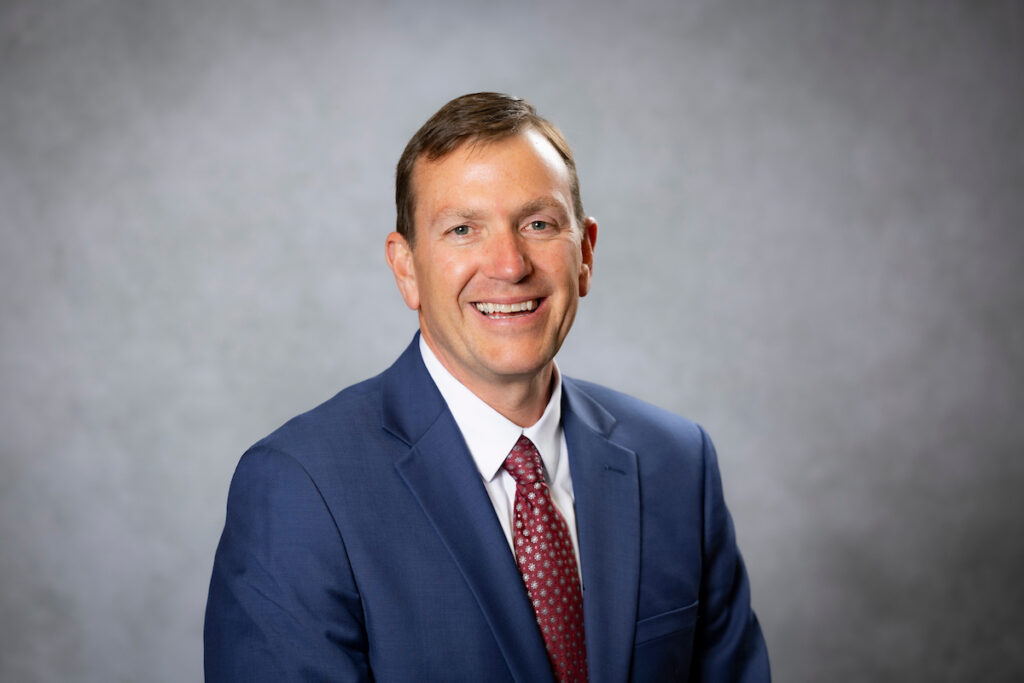
I recently went one-on-one with Dr. Richard Williams, President of Missouri State University
Adam: Thanks again for taking the time to share your advice. First things first, though, I am sure readers would love to learn more about you. How did you get here? What experiences, failures, setbacks, or challenges have been most instrumental to your growth?
Richard: I have been fortunate throughout my career to have had many meaningful leadership opportunities. My path is somewhat uncommon today. I began as a faculty member and then served as a program director, division chair, associate dean, dean, vice president, and president. Historically, many university presidents had experience across each of those levels, but that kind of progression is less common now. I am grateful for those experiences because they gave me a more holistic understanding of higher education and a deep appreciation for the important work employees do at every level of an institution. Much of my career has been centered on building. At the University of Northern Iowa, I was the founding program director and division chair of athletic training. At Indiana State University, I served as the inaugural dean of the College of Nursing, Health, and Human Services. At Utah Tech University, I was hired to help build the institution into its new university status. Each of those roles taught me the importance of strategic planning, teamwork, and shared purpose. I learned that much more can be accomplished with an attitude of “we” instead of “me.”
Adam: What would surprise people most about the role of a university president and how you allocate your time, energy, and focus?
Richard: I think one of the biggest surprises to the public would be that the presidency of a university is much broader than most people imagine. Many people picture a president spending most of their time thinking about academics, giving speeches, meeting with students, and shaping the future of the institution. While those things certainly happen, they are only one part of the job. Much of a university president’s time is spent managing complexity, balancing competing interests, and making difficult decisions when there is no perfect answer. In today’s environment, a president must serve as a CEO, fundraiser, crisis manager, diplomat, advocate, community leader, and more.
The schedule is rarely your own, and the work can be both challenging and relentless. But it is also one of the most rewarding roles imaginable. I absolutely love being part of an institution that changes students’ lives through education and helps strengthen the communities we serve.
Adam: What are the biggest challenges you face as a leader in higher education today? How are you navigating them?
Richard: Higher education is facing a moment of profound change. We are navigating questions of affordability, shifting enrollment patterns, public trust, workforce needs, financial sustainability, and the rapid rise of technology and artificial intelligence. At the same time, students are coming to us with greater expectations for support, flexibility, belonging, and clear pathways to meaningful careers.
However, I do not define these challenges only as problems. I see them as a call to leadership. I believe Missouri State University is well positioned to thrive in this new environment because we are staying focused on students and adapting with purpose. Through our new strategic plan, Igniting Opportunities, we are demonstrating the value of higher education and the distinctive education students receive at Missouri State. We are building strong partnerships, strengthening our commitment to student success, and remaining true to the timeless mission of education: transforming lives, strengthening communities, and preparing people to lead in a changing world. That work is deeply connected to our public affairs mission.
Adam: In your experience, what are the keys to managing change and leading through uncertainty?
Richard: I believe there are three keys to managing change and leading through uncertainty: collaboration, communication, and consistency. Collaboration starts with creating a strategic plan that reflects the voices of the university’s stakeholders—faculty, staff, students, alumni, community members, legislators, business leaders, and others who care about the institution’s future. When people help shape the plan, they are more invested in its success. In my experience, the most effective change efforts require an “all hands on deck” approach because stakeholders are not simply implementing someone else’s plan; they are advancing a shared vision they helped create.
Communication must be clear, frequent, and public. People need to know what work is happening, who is leading it, where progress is being made, and where challenges remain. Consistency is equally important. Leaders must keep the message focused, maintain open pathways for feedback, fund the priorities that have been established, and continue following through on the plan. In difficult times, transparency and accountability build trust. They help people understand not only what decisions are being made, but why those decisions matter.
Adam: What do you believe are the defining qualities of an effective leader?
Richard: I think the defining qualities of an effective leader depend, in part, on the people and organization they are called to serve. Every organization is different, and the qualities most needed in a leader often reflect the needs, culture, and challenges of that moment. That said, I have found that the most effective leaders share several essential qualities: vision, integrity, courage, emotional intelligence, and stewardship. They are able to set a clear direction, build trust, make difficult decisions, understand and support people, and care for the long-term health of the organization.
Adam: What do you believe are the most important skills needed to succeed in today’s and tomorrow’s workforce?
Richard: I believe the most important skills for today’s and tomorrow’s workforce are adaptability, communication, critical thinking, ethical judgment, and the ability to work well with others. Technology will continue to change rapidly, and artificial intelligence will reshape nearly every profession. But the people who succeed will not simply be those who know how to use the latest technology. They will be those who know how to learn, how to solve problems, how to communicate clearly, how to lead with integrity, and how to build relationships across differences.
That is why higher education remains so important. We are not just preparing students for their first job; we are preparing them for a lifetime of change. The workforce of the future will need people who are creative, resilient, collaborative, technologically fluent, and grounded in strong values. Those are exactly the kinds of graduates our communities, employers, and democracy need. I think that is why Missouri State University’s public affairs mission is so important. We are preparing students for the future.
Adam: What are your three best tips applicable to leaders in business, government, and education?
Richard: My three best tips for leaders in business, government, and education are to keep people at the center, stay disciplined around mission and priorities, and lead with integrity, courage, and consistency. No matter the sector, leadership is ultimately about building trust, making difficult decisions, and helping people work together toward a shared purpose. The best leaders listen well, communicate clearly, stay grounded in their values, and remain focused on the long-term good of the organization and the people it serves.
Adam: What is the single best piece of advice you have ever received?
Richard: The best piece of advice I have ever received came from a mentor before I became president of Utah Tech University. I asked him what I needed to remember, and he said, “Never become bigger than the title.” What he meant was that leadership is not about you. The decisions you make must be grounded in what is best for the organization, not simply what is easiest, most popular, or best for your own career. At times, leaders have to make decisions that may be personally or professionally difficult but are necessary for the long-term good of the institution. To me, that is what it means to never become bigger than the title: to put the organization first, remain humble in the role, and remember that leadership is a responsibility, not a possession.
Adam: Is there anything else you would like to share?
Richard: The last thing I would share is that the world needs more kindness and grace. Too many people are stepping away from leadership opportunities because they see the scrutiny, criticism, and personal attacks that often come with public service. But leadership still matters, and good people are needed now more than ever. If we can embrace the “we” more than the “me,” we can build stronger organizations, stronger communities, and a stronger society. My hope is that more people will choose to lead with courage, serve with humility, and believe that their efforts can make a lasting difference. When we bring people together around a shared purpose, there is almost no limit to what we can accomplish.