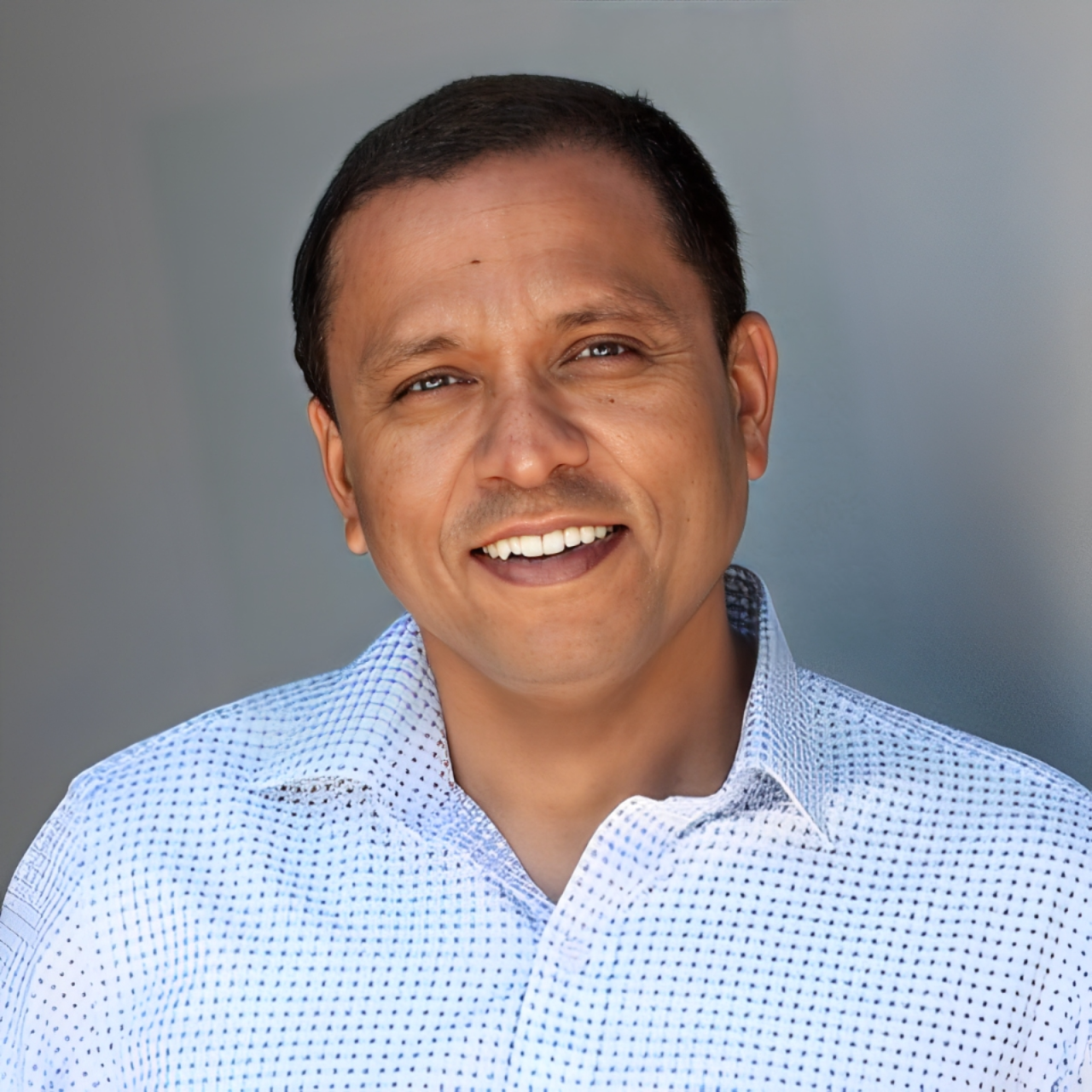


I recently went one-on-one with Dominic Janney, President of Canon Financial Services, Inc.
Adam: Thanks again for taking the time to share your advice. First things first, though, I am sure readers would love to learn more about you. How did you get here? What experiences, failures, setbacks, or challenges have been most instrumental to your growth?
Dominic: Like many executives in equipment finance, I arrived here through an unexpected opportunity rather than a carefully planned career path. Early in my career, a vice president from an equipment leasing company recognized that my skills could transfer into the industry. More than 30 years later, I remain grateful to Gary Shivers for that conversation. It’s remarkable how a single discussion can change the course of a career.
What has kept me engaged is that equipment finance sits at the intersection of capital allocation, technology, and business growth. Unlike traditional finance, which can feel highly transactional, equipment leasing requires creativity and a deep understanding of different industries. Every sector has unique challenges and helping customers solve complex problems while building strong teams has been incredibly rewarding.
One defining moment came early in my management career. During a process review, an employee challenged an existing procedure, and my initial response was, “That’s just how we do it.” I immediately realized how dangerous that mindset was. It discourages innovation and allows organizations to become stagnant.
From that point forward, I adopted a “Why before How” philosophy. Rather than approaching situations with fixed assumptions, I focus on understanding goals first and then building solutions around them. As a leader, I emphasize three principles: challenging outdated processes, creating an environment where people feel safe sharing ideas, and giving employees the autonomy to learn and grow through experience.
The greatest catalyst for my professional growth has been navigating economic cycles. Over three decades, I have experienced recessions, interest rate volatility, and capital constraints. During difficult periods, organizations become cautious, but uncertainty affects people as much as balance sheets. Those experiences taught me that resilience comes from strong relationships, adaptability, and empathetic leadership. Managing through challenging environments has created a leadership “muscle memory” that continues to guide me today.
Adam: In your experience, what are the key steps to growing and scaling your business?
Dominic: Growing and scaling well comes down to a few disciplines, beginning with letting data guide decisions. Data should be treated as a strategic asset, not a reporting exercise. It provides an objective view of what is working, where customers struggle, and how markets respond to economic change. Organizations that rely solely on instinct miss valuable opportunities.
Data also helps uncover underserved markets and emerging opportunities. Many businesses, for example, delay technology investments because they believe they must preserve cash. By analyzing customer behavior and market trends, we can identify these gaps and offer financing solutions that help organizations modernize while maintaining financial flexibility.
Investing in the right technology matters just as much. Technology investments should create new opportunities, not simply make existing tasks marginally faster. We made significant investments in our technology platform because it allowed us to offer new financing structures and serve customers in different ways. Strategic technology investments build a foundation for long-term growth.
Scaling systems and people together is the next piece. Sustainable growth comes from improving processes and developing talent, not simply adding headcount. A relatively small team can achieve significant growth when supported by efficient systems and empowered professionals who can make sound decisions independently.
But none of it works without strategy built from the bottom up. Some of the best ideas come from employees closest to customers. Planning should include perspectives from every level of the organization. When employees see their insights reflected in company strategy, they develop a stronger sense of ownership and commitment. That engagement fuels innovation, strengthens culture, and drives results.
Adam: What are your best tips on the topics of sales, marketing, and branding?
Dominic: I’d say one lesson stands out above the rest: treat partners like family. One of the most important shifts we made was changing how we view our dealer. Rather than seeing them as an audience to sell to, we view them as an extension of our team. When your focus shifts from increasing sales to helping dealers succeed, it changes how you communicate, collaborate, and build solutions.
It also helps to create tools with the people who use them. Sales and marketing resources are most effective when developed with input from those using them every day. Sales professionals and dealers understand customer needs better than anyone. Their feedback helps create practical tools that people use while also building trust and engagement.
Keep revenue in perspective: it is a result, not a mission. A strong brand starts with a clear purpose. Revenue is important, but it should be viewed as the outcome of executing the right strategy and serving customers well. When employees understand the organization’s mission, decision-making becomes easier, and brand consistency follows naturally.
Above all, stay adaptable. Markets evolve quickly. Organizations that remain flexible, respond effectively to change, and maintain focus during uncertainty strengthen both their reputation and their long-term competitiveness.
Adam: What do you believe are the defining qualities of an effective leader?
Dominic: A handful of qualities define effective leadership, starting with authenticity. People quickly recognize whether a leader is genuine. Trust is built when actions consistently align with words, especially during difficult periods. Authentic leadership creates credibility and earns respect.
Authenticity also means taking time to understand employees as individuals. I try to learn about people’s lives, families, and interests. Informal gatherings and personal conversations help break down barriers and strengthen relationships.
Empathy is just as essential to effective leadership. Understanding what motivates people allows leaders to recognize concerns, develop talent, and make better decisions. Emotional intelligence plays a significant role in how we hire, develop, and promote employees.
Transparency is equally important. Honest communication creates trust and enables meaningful collaboration.
Curiosity matters too. Leaders should remain curious about the actual work being done, not just the numbers that measure it. Spending time understanding employees’ daily challenges provides valuable insights and demonstrates respect for their contributions.
The best leaders also focus on building harmony. Canon’s philosophy of Kyosei emphasizes living and working together for the common good. Leaders who embrace that mindset build organizations that are more durable, collaborative, and resilient than those built solely on hierarchy.
Adam: How can leaders and aspiring leaders take their leadership skills to the next level?
Dominic: One habit is to stay close to the front lines. As leaders advance, titles can create distance from day-to-day operations. It is important to spend time with employees in informal settings and understand what they experience every day. Honest conversations often reveal insights that formal reviews miss.
Another is to ask for feedback and act on it. One of the most valuable questions a leader can ask is: “If you ran the company, what would you change?” The answer often reveals blind spots and opportunities for improvement. More importantly, implementing employee feedback demonstrates that leadership is a partnership.
We have incorporated employee input directly into planning processes. One example was the development of our mission and values statements, which were created by a cross-functional employee team rather than solely by executives. The result resonated because it reflected the organization’s collective voice.
In conjunction with asking for feedback, it’s essential to make appreciation specific. Recognition is most meaningful when it is personal and specific. Employees want to know their unique contributions are noticed and valued. Thoughtful recognition builds loyalty, motivation, and engagement.
Lastly, it’s essential to show employees that you are in the trenches with them; leaders must understand the data themselves. Leaders should regularly review raw data rather than relying exclusively on summaries. Direct engagement with data reduces blind spots and enables more informed decisions.
Adam: What are your three best tips applicable to entrepreneurs, executives, and civic leaders?
Dominic: Earn the right to challenge the status quo. Before proposing change, understand why existing systems were built the way they were. Effective leaders do their homework, understand the history, and can clearly explain why change is necessary. Credibility is built through preparation and substance.
Know your most important metric. Every organization should have a core metric that reflects its strategic priorities. Leaders must understand what drives that metric, what threatens it, and how it connects to organizational success. Clear metrics create alignment and improve decision-making.
Build a culture that works without you. Strong cultures do not depend on constant supervision. The true test of culture is how people behave when leaders are not present and when circumstances become difficult. When values are deeply embedded, employees make sound decisions independently, and customers can feel the difference.
Adam: What is your best advice on building, leading, and managing teams?
Dominic: It starts with hiring people who challenge you. The strongest teams are not composed of people who always agree. They include professionals willing to question assumptions and offer alternative perspectives. Leaders should actively encourage and protect that intellectual honesty.
Part of honesty, too, is making listening a process. Listening cannot be an occasional activity. We have intentionally built employee feedback, informal conversations, and cross-functional collaboration into our operating rhythm. When listening becomes part of the business model, important ideas consistently surface.
Over-communicate during change. Periods of uncertainty require more communication, not less. Leaders often wait until they have every answer before speaking, but silence creates anxiety and speculation. Sharing what you know, what you do not know, and when updates will come helps employees remain confident and engaged.
View turnover as a leadership indicator. Employee turnover should not be viewed solely as an HR metric. When talented people leave, leaders should examine the underlying reasons and identify opportunities to improve.
We also conduct “stay interviews” to understand why employees remain with the company. Those conversations provide valuable insight and help ensure that culture continues evolving. Our strong retention reflects a commitment to listening, learning, and adapting.
Adam: What is the single best piece of advice you have ever received?
Dominic: The best advice I have received is to slow down at the beginning so you can move faster later.
Organizations often rush into execution before ensuring alignment. While that approach can create short-term momentum, it frequently leads to confusion and inefficiency. Taking time upfront to establish clarity around goals, roles, and decision-making processes creates a stronger foundation.
Clarity may feel slower initially, but it dramatically improves execution, confidence, and decision quality over time.
This lesson is especially relevant today as technology, customer expectations, and AI continue to reshape industries. Successful leaders are not simply moving faster than everyone else; they are building teams that can move together effectively because they share a clear understanding of the mission and direction.
Adam: Is there anything else you would like to share?
Dominic: In the end, it’s all about people. Retention is more than a statistic; it reflects the strength of a community. At Canon Financial Services, we have employees who have been with the company for 20 and even 30 years. That longevity speaks volumes about the environment we have built.
People stay where they find purpose, respect, and a clear connection between their contributions and the organization’s mission. Long tenure is not just evidence of retention; it is evidence of belonging.
Character matters most. When I reflect on my career, I am most proud of the character of our team. I am proud of how they support customers during difficult times, help one another under pressure, and contribute to their communities.
Canon’s Kyosei philosophy—living and working together for the common good—has become more than a statement. It shapes how we operate, how we treat people, and how we plan for the future.
Ultimately, businesses succeed because of people. Strong cultures, lasting relationships, and shared values create the foundation for long-term success. Those are the things I am most grateful for, and the things we work every day to preserve and strengthen.