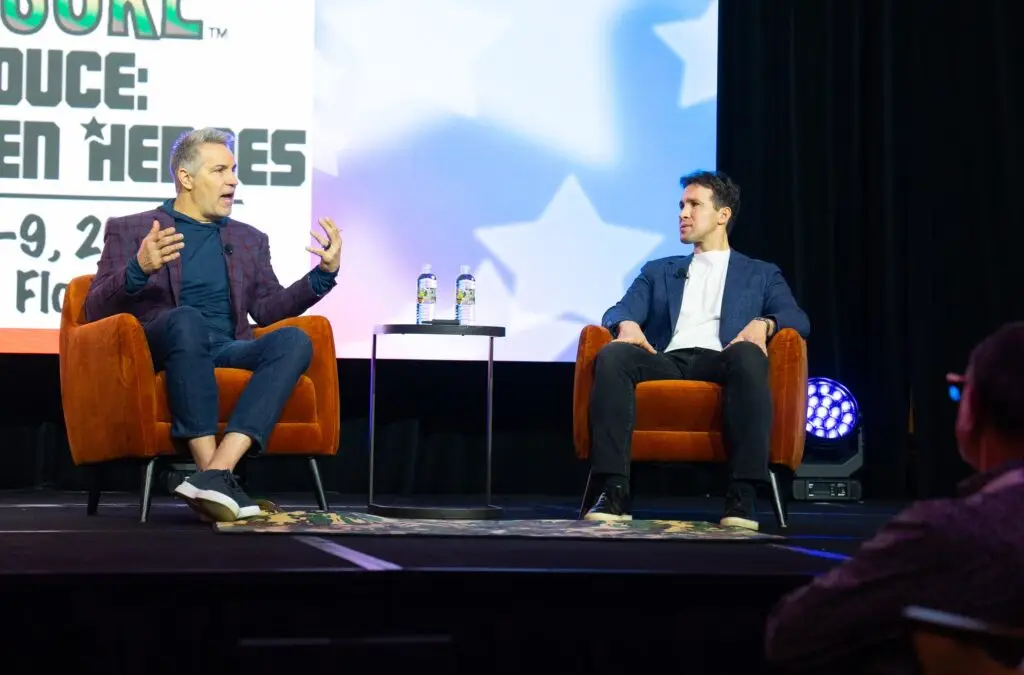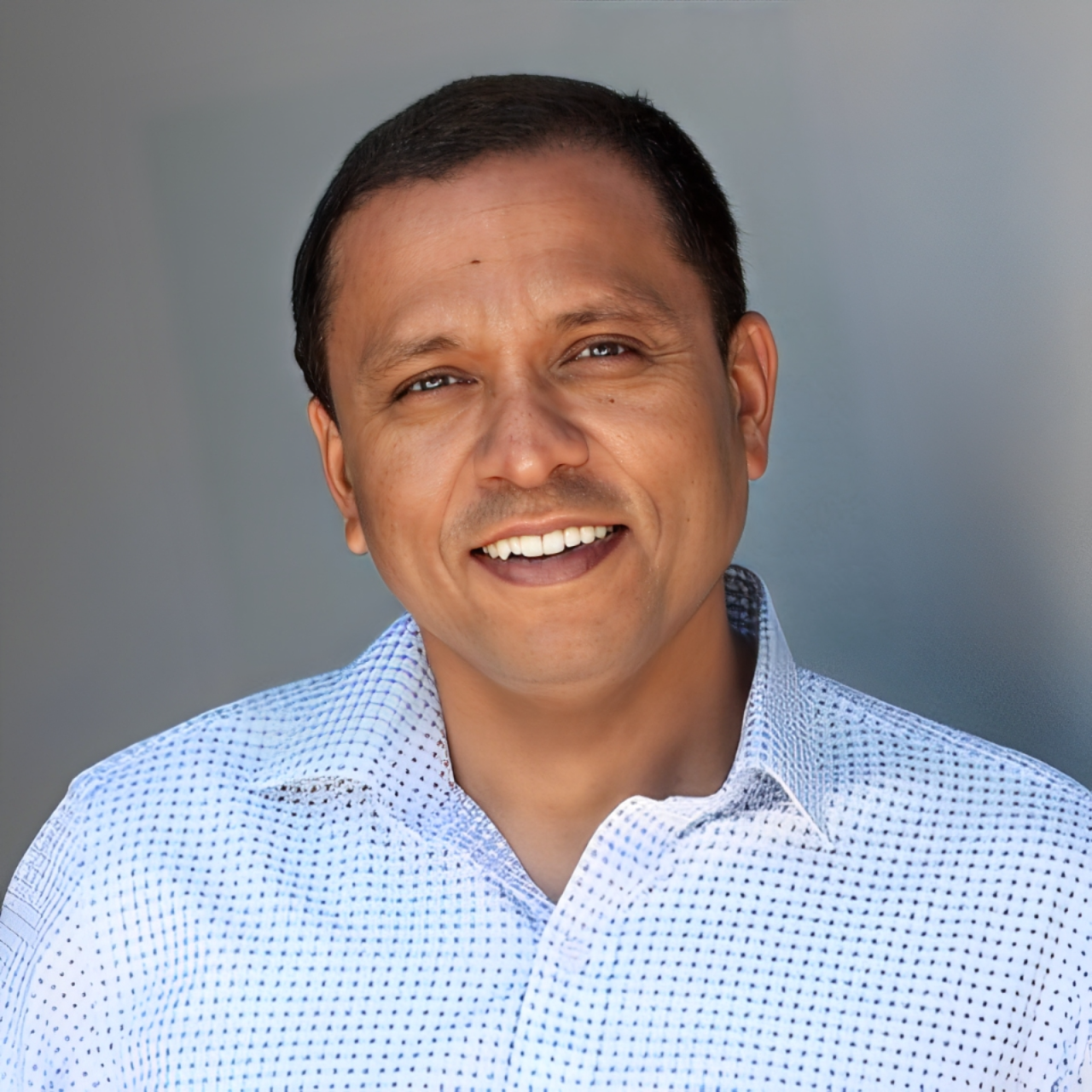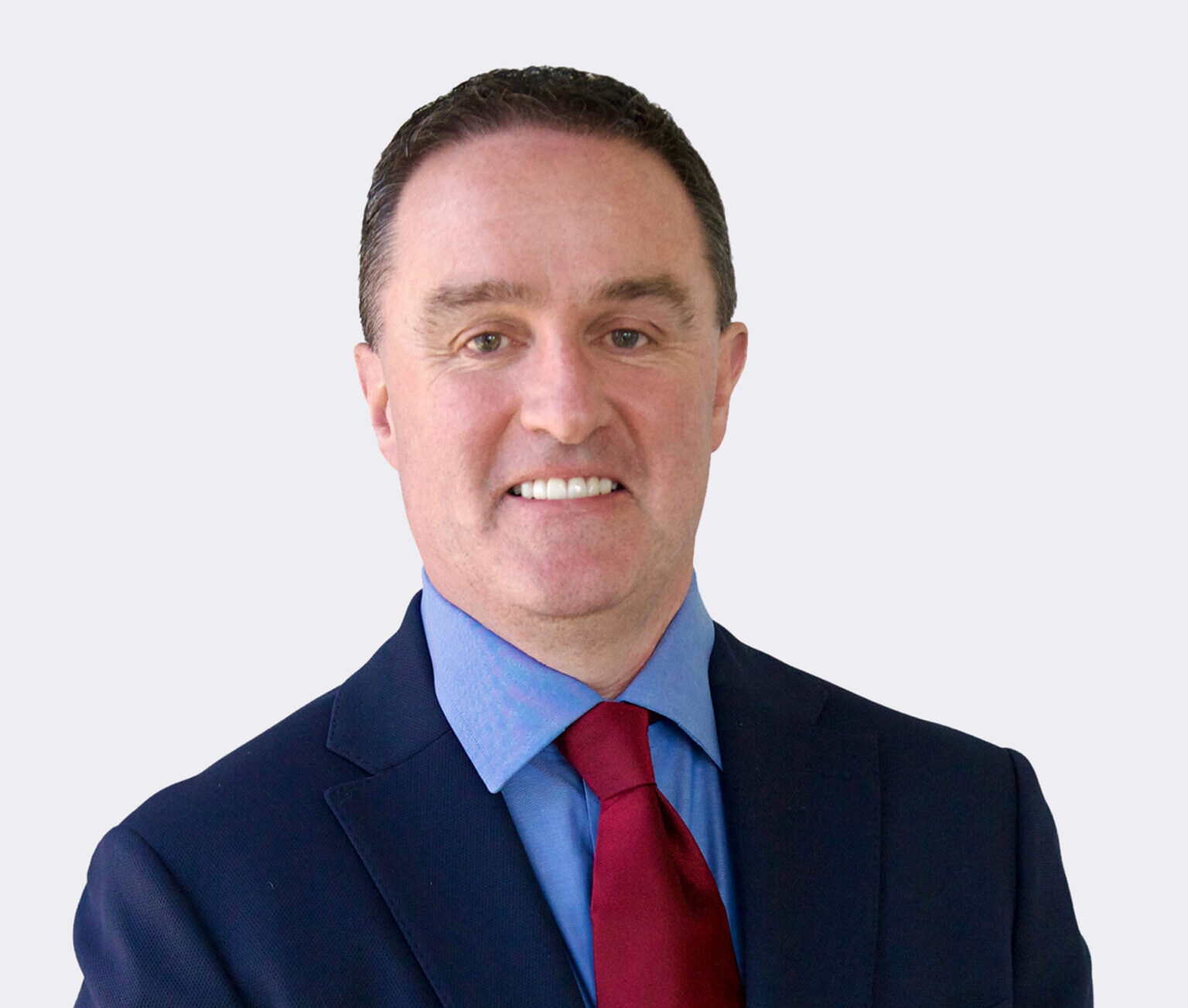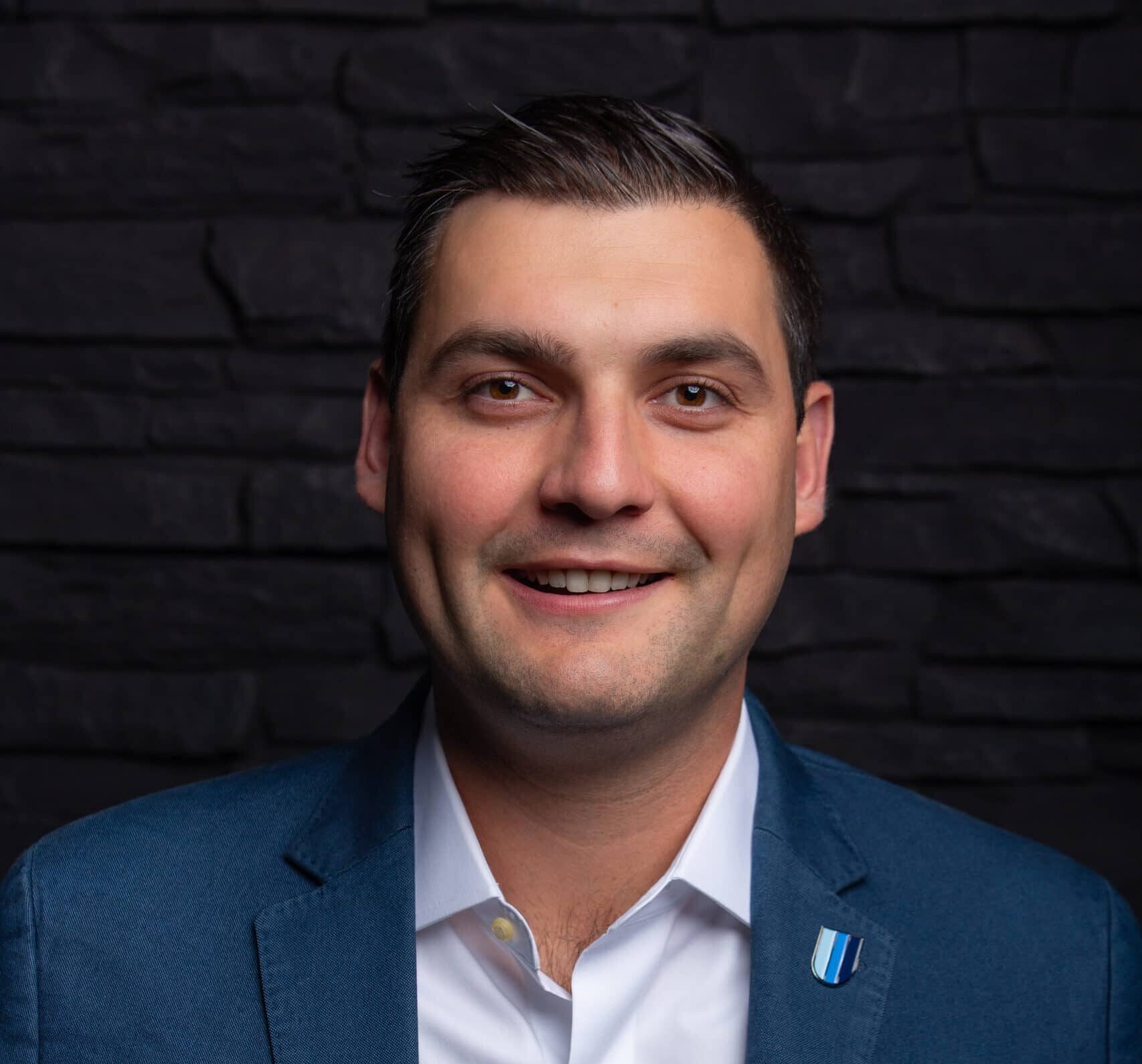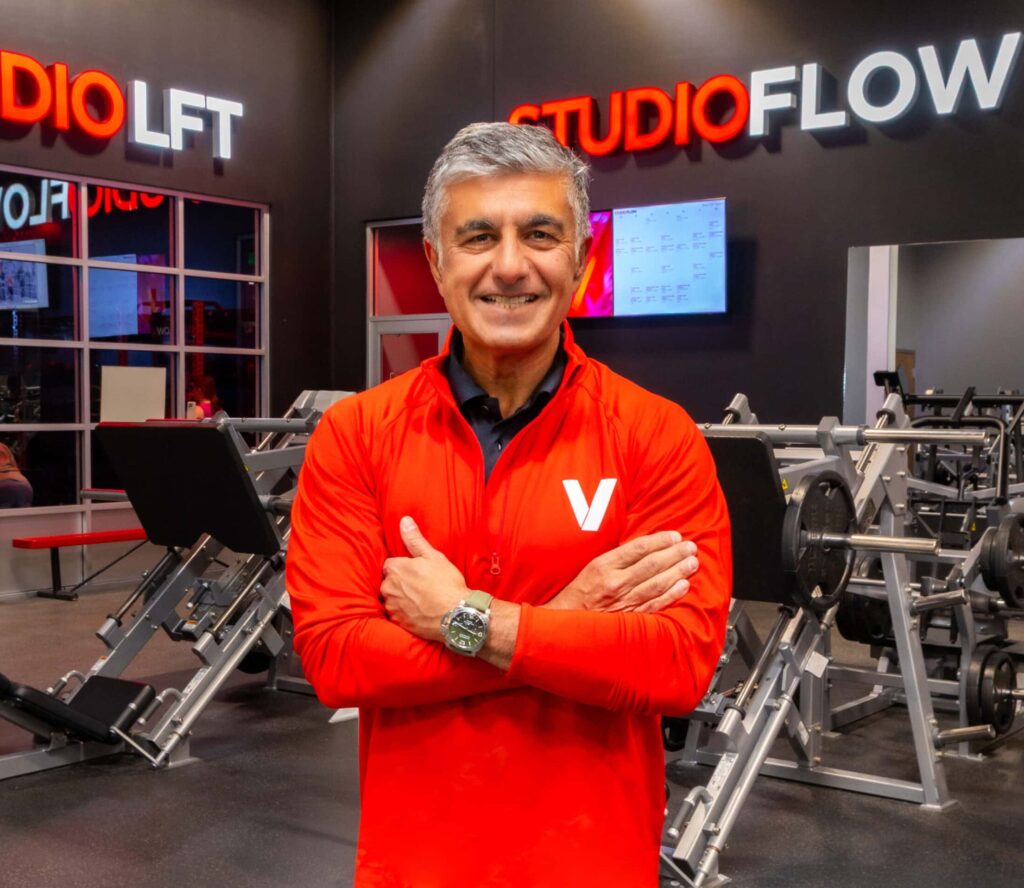
I recently went one-on-one with Michael Osanloo. Michael is the CEO of VASA Fitness and was previously the CEO of P.F. Chang’s and Portillos.
Adam: Thanks again for taking the time to share your advice. I previously interviewed you for Thirty Minute Mentors, and we covered much of your story and the experiences that shaped you. Since we last spoke, you’ve moved from Portillo’s to VASA Fitness. What motivated you to pursue this next chapter, and what are the biggest lessons you’ve learned so far?
Michael: After 15 years of convincing people to eat more indulgent food, I was ready for a different kind of impact. I wanted to help people prioritize longevity, fitness, and overall well-being. If I’m being honest, I wanted that for myself, too. My family is everything to me, and I want to be healthy and present for them for as long as I can. One of the biggest lessons for me has been seeing how deeply people connect with this brand. I knew we had something special coming in, but hearing members share how VASA has impacted their lives has reinforced just how meaningful this work really is. I still feel a bit like a kid in a candy store when I walk into our clubs. We offer so many ways for people to invest in their health, whether that’s strength training, recovery, studio-style classes, or simply finding a place where they enjoy showing up. It’s really rewarding to be part of a company that’s making such a meaningful impact on people’s lives.
Adam: What has been most similar across your experience leading P.F. Chang’s, Portillo’s, and VASA Fitness, and what has been the biggest difference?
Michael: The biggest similarity is the distributed business model. I’ve always been a big believer in servant leadership because, in businesses like these, success depends on the people on the front lines. Our Support Center exists to equip our teams in the clubs with the tools, resources, and support they need to create great experiences for our members. That’s always been my philosophy, along with maintaining a strong operational focus and delivering results for our investors.
What has surprised me most about VASA is the passion, energy, and enthusiasm surrounding the brand. We’re still a relatively young company, but what we’ve built and the space we occupy is incredibly special. I’ve had members stop me in our clubs and tell me VASA changed their lives. That’s not something you hear every day, and it reinforces the impact we’re making. It makes you feel incredibly good about the work you do.
Adam: In your experience, what are the keys to growing and scaling a business?
Michael: It’s a balancing act. You have to know what makes your business special and protect that as you grow. Then it’s about introducing that experience to more people without losing what made it successful in the first place. That’s why strong field marketing matters. At VASA, once people walk through our doors and experience what we offer, it really speaks for itself. We’re democratizing fitness by making a premium experience accessible to more people. Walk into one of our clubs and you’ll see first-time exercisers, parents getting back into shape, serious athletes, older adults, and everyone in between. Creating a place where all people feel welcome is what makes VASA special. I’m a big believer that the culture and energy inside every VASA club starts with the leadership team. That’s why investing in our General Managers is so important. We need to make sure they understand what makes VASA special and have the tools to lead their teams effectively. When leaders live those values every day, they naturally become the standard for everyone else in the club.
Scaling too quickly can be incredibly destructive. If you’re taking shortcuts just to grow faster, it can erode your brand over time. You also have to think carefully about the people leading your business. Growth only works if you have a strong pipeline of talented leaders who can preserve the culture and execute consistently as you expand.
Adam: We previously spoke about servant leadership and hiring for values. How do you ensure those principles become part of the culture rather than just words on a wall?
Michael: It has to be embedded across the organization, especially through HR and the hiring process. It starts with bringing in people who genuinely enjoy serving and supporting others and then reinforcing those values through our Operations teams every day. You don’t need 15 years of fitness experience to succeed at VASA. If you show up with a positive attitude, a smile, and a genuine desire to help people, we can teach the technical skills. Values are much harder to teach, which is why we hire for them first.
Adam: In your experience, what are the key qualities of an effective leader?
Michael: Communication is one of the most important qualities. That means being able to clearly articulate a vision, but it also means being a great listener. You can’t be an effective communicator if you don’t listen. People want to feel heard, and when they do, they’re much more likely to understand the vision, trust the direction, and rally behind it.
Adam: What are the most important technology trends leaders should understand today, and why do they matter?
Michael: If you don’t have a thoughtful perspective on how you’re going to use AI in your business, you’re going to fall behind. It’s funny—I thought I had a good understanding of AI six or nine months ago, but it’s evolving so quickly that it’s almost a different conversation today. We have a remarkably capable technology team that’s embedding AI throughout our business in meaningful ways. A lot of people worry AI will replace jobs. I don’t see it that way. I believe the people who embrace AI will become more productive and more valuable, while those who resist it risk being left behind.
Adam: What are your best tips on sales, marketing, and branding?
Michael: There has to be a “truthiness” in the story you’re telling. People know when they’re being sold to, and they respond much better when your brand reflects who you truly are. At VASA, we’re continuing to evolve our brand by telling our story in a way that’s genuine and true to who we are. When you’re communicating something authentic, it naturally resonates with the people it’s meant for.
People come back when they feel valued and appreciated. In our business, that starts with the basics. One of the mantras our COO, Chris Griebe, and I talk about often is creating a warm greeting when members arrive, providing a clean and safe environment, and thanking them when they leave with a sincere, “We can’t wait to see you again.” If we consistently do those three things well, members will keep coming back.
A lot of leaders think sales, marketing, and branding belong solely to the marketing department. I couldn’t disagree more. Every leader is a representative of the brand. Whether you’re talking to employees, members, or your community, you’re shaping how people experience your company. Leadership and branding go hand in hand. It comes back to servant leadership. If you’re a leader in this kind of business, you have to believe your role is to support the people serving your members every day. The minute the Support Center thinks about themselves instead of the front lines, you’ve lost the script. Our job is to provide our club teams with the tools, resources, and support they need to succeed.
Adam: What are your three best pieces of advice for entrepreneurs, executives, and civic leaders? What is your best advice for building, leading, and managing teams?
Michael: It’s easy to lose sight of who you are as a leader. My advice is to stay true to yourself because people can spot inauthenticity quickly. If you say one thing but behave another way, people notice. Be genuine, be consistent, and make sure your actions match your words. That’s how you build trust, and trust is the foundation of great leadership.
Adam: What is the single best piece of advice you have ever received?
Michael: This is more of a personal learning than a piece of advice, but I’ve found that the minute it’s no longer about me, I’m happier and more successful. Whether it’s helping a Member Experience Specialist, a General Manager, or someone on our Support Center team grow in their career, there’s something incredibly rewarding about helping others succeed. It gives my work a greater sense of purpose, and I’ve found it makes me a happier, more productive leader.