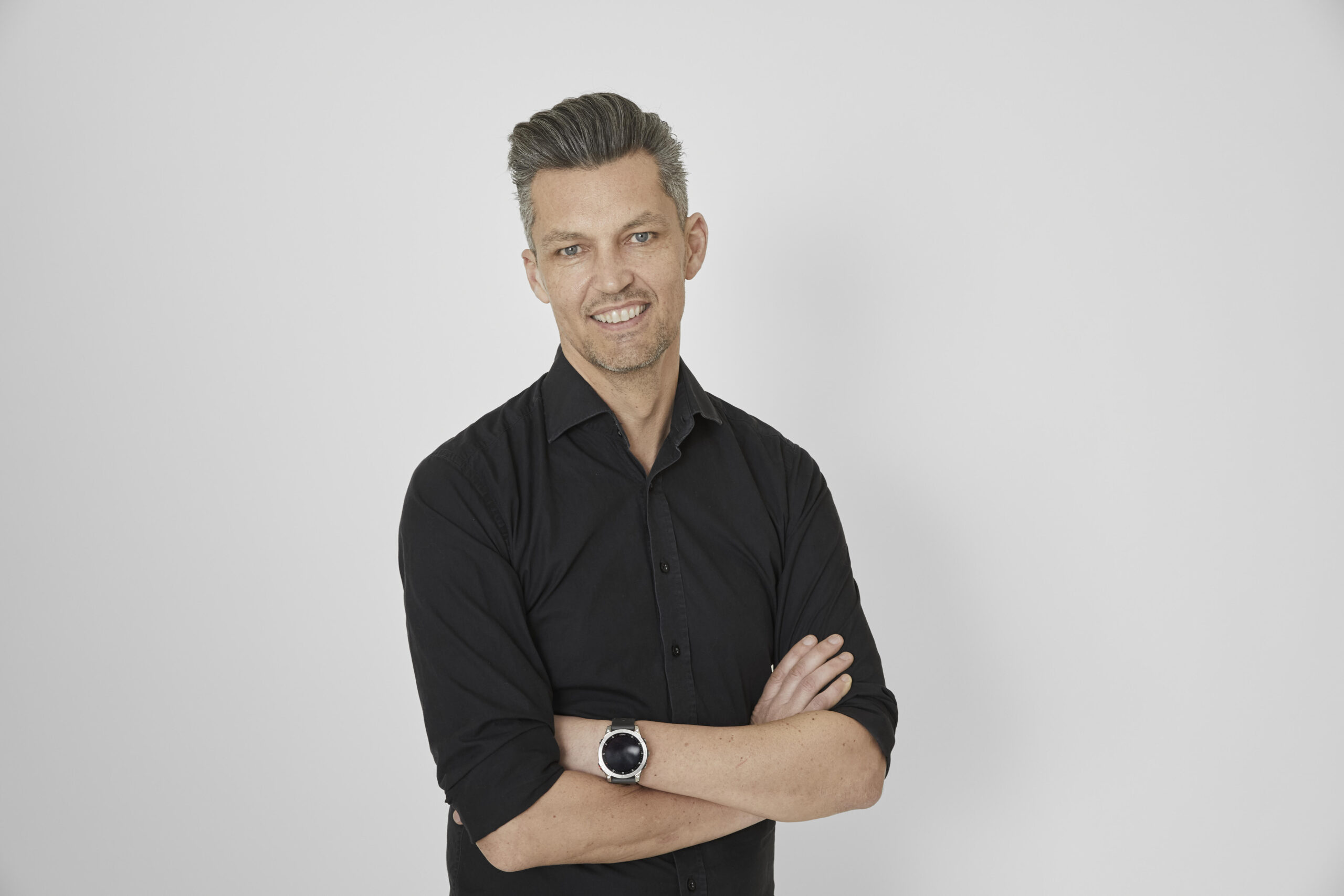

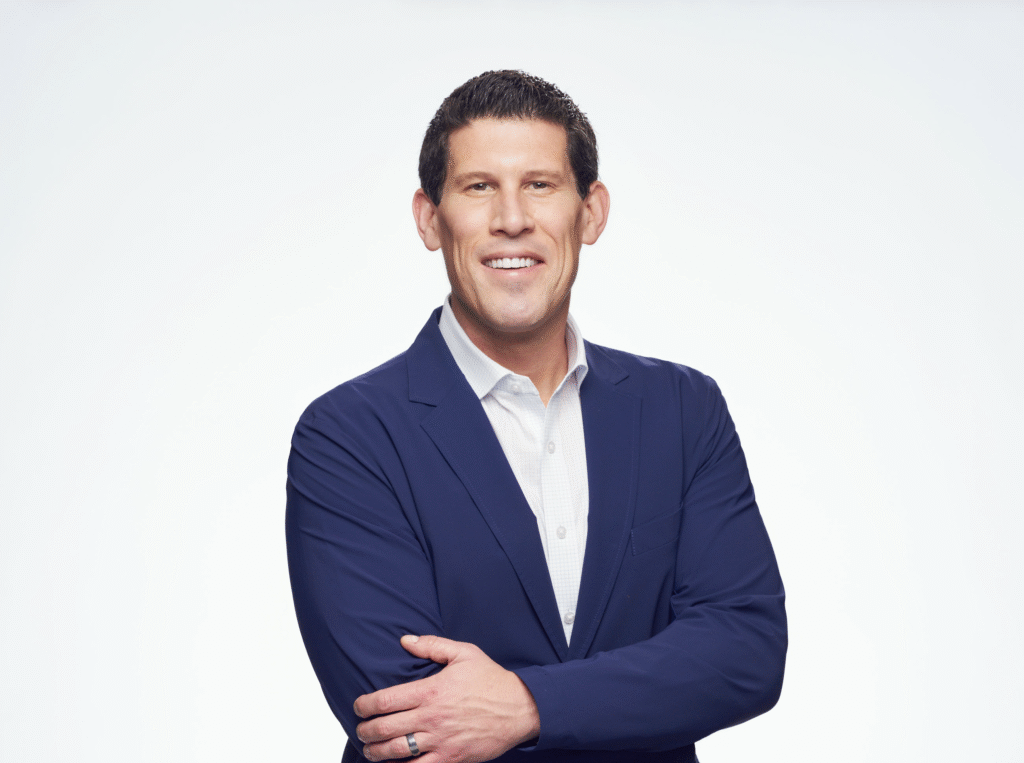
I recently went one-on-one with Geoff Gross, founder and CEO of Medical Guardian.
Adam: Thanks again for taking the time to share your advice. First things first, though, I am sure readers would love to learn more about you. How did you get here? What experiences, failures, setbacks, or challenges have been most instrumental to your growth?
Geoff: I got here by following a personal problem far enough to realize it was also a much larger human and healthcare problem. Medical Guardian started with my grandmother, Freda, who lived alone after my grandfather passed away. She was active and independent, but after knee replacements and several falls, including one that sent her to the hospital, our family knew she needed a better safety net. Being part of her aging journey became the spark that inspired me to start Medical Guardian. More than 20 years later, we’ve grown from that idea into a company of more than 300 employees serving hundreds of thousands of members. But the company hasn’t been the only thing that has had to evolve. I’ve had to evolve as a leader with it.
One of the biggest lessons I’ve learned is that what gets a company through one stage of growth isn’t necessarily what will get it through the next. There have been plenty of moments when we’ve had to rethink our assumptions, change direction, and make difficult decisions. As a founder, I’ve had to learn when to stay close to something and when to empower other people to lead it. Through all of that, the constant has been the responsibility we have to the people we serve. When you’re supporting older adults and their families, trust isn’t something you earn once. You have to earn it every day through every product, every interaction, and every decision we make.
Adam: How did you come up with your business idea? What advice do you have for others on how to come up with great ideas?
Geoff: The idea came from listening closely to someone I loved and realizing there was a gap between what she needed and what she was actually willing to use. My grandmother wanted the security of knowing someone would be there if she needed help, but she didn’t want a device that made her feel old, dependent, or defined by her limitations. At one point, she and her neighbors created their own solution: if her lights weren’t on by 9 a.m., someone would check on her. That simple workaround told me something important. The need was clearly there. The existing solutions just weren’t meeting it in a way that fit how she wanted to live. That’s something I’ve carried with me ever since.
When you’re looking for a great business idea, don’t just look for an unmet need. Look for needs where people have created workarounds, tolerate a bad experience, or avoid the existing solution altogether. Some of the biggest opportunities exist not because a solution doesn’t exist, but because the solution that exists hasn’t been designed around the person it’s supposed to serve.
Adam: How did you know your business idea was worth pursuing? What advice do you have on how to best test a business idea?
Geoff: I knew the problem was worth solving because I had seen it firsthand with my grandmother. What I didn’t know was whether we could build a solution that people like her would choose to use. That distinction became important. A large market and a real need don’t necessarily make a great business. You have to understand why the existing solutions aren’t working and whether you can create something meaningfully better.
In the early days, I spent a lot of time talking directly with older adults and their families. I wanted to understand what they valued, what held them back, and what would make them willing to change their behavior. Ultimately, the strongest validation wasn’t people telling us they liked the idea. It was whether they trusted us enough to bring Medical Guardian into their lives and were willing to pay for it. My advice to entrepreneurs is to get as close to the end user as possible and test behavior, not just opinions. People will tell you an idea sounds great. The real signal is whether your solution changes what they actually do.
Adam: What are the key steps you have taken to grow your business? What advice do you have for others on how to take their businesses to the next level?
Geoff: One of the most important things we’ve done is refuse to let the business we started as define the business we can become. Medical Guardian began as a medical alert company focused on being there when someone needed help. As we’ve grown, we’ve continued to invest in better technology, better products, and a better member experience. Today, we serve more than 630,000 members nationwide, but reaching that scale has also forced us to keep asking a bigger question: what else do the people we serve need from us?
That question is driving our next chapter. We’re evolving beyond emergency response toward a broader, membership-based health and safety platform that can play a more proactive role in helping people live safely, confidently, and independently. My advice to other leaders is not to confuse what made you successful with what will make you successful next. Growth requires knowing what should never change about your company and being willing to challenge almost everything else. For us, the mission has remained constant. How we deliver against it continues to evolve.
Adam: What are your best sales and marketing tips?
Geoff: Lead with empathy before you lead with the product. Understand what people are trying to accomplish, what is getting in their way, and how they want to feel as a result of choosing you. That’s been especially important at Medical Guardian. In our category, fear may create short-term attention, but empowerment builds lasting trust. Older adults don’t want to be reminded of everything they may be losing. They want confidence that they can continue living independently and on their own terms.
The best marketing respects that. It tells a true story, creates an emotional connection, and makes the value of what you’re offering clear without exploiting someone’s vulnerability. Sales should work the same way. Listen first, understand the need, educate second, and then earn the right to recommend a solution. The goal shouldn’t be to convince someone to buy something. It should be to help them make a decision they feel confident about.
Adam: In your experience, what are the defining qualities of an effective leader? How can leaders and aspiring leaders take their leadership skills to the next level?
Geoff: I think effective leadership starts with clarity. People need to understand where you’re going, why it matters, and what is expected of them. A leader’s job is to create that clarity, make decisions when the path isn’t obvious, and take accountability for the outcome. I’ve also learned that leadership has to evolve. The way you lead a small entrepreneurial company isn’t the same way you lead an organization with hundreds of employees. As the business grows, you have to become more comfortable surrounding yourself with people who are better than you at what they do, giving them real ownership, and trusting them to lead.
The leaders I’ve seen grow the most are also willing to challenge their own thinking. They stay close to the people they serve, listen to the people around them, and are willing to change their minds when the facts change. Leadership isn’t about having all the answers. It’s about creating the direction, standards, and environment that allow great people to find better answers together.
Adam: What is your best advice on building, leading, and managing teams?
Geoff: Start by hiring great people and making sure they understand where you’re going and why their work matters to getting there. Then give them real ownership. The strongest teams aren’t built by a leader making every decision; they’re built by people who understand the direction, know the standard, and feel accountable for the outcome. Trust and accountability have to exist together. People need the freedom to challenge ideas, bring forward better ones, and make decisions, but they also need to know what success looks like and be accountable for delivering against it.
Recognition matters too. What you celebrate sends a signal about what the organization values. The same is true of what you tolerate. Culture isn’t what you put on a wall; it’s what gets reinforced through the decisions you make, the people you promote, the performance you recognize, and the difficult issues you’re willing to address. Ultimately, great teams are built when people know where they’re going, believe they can have an impact, and understand that everyone is accountable for getting there together.
Adam: What are your three best tips applicable to entrepreneurs, executives, and civic leaders?
Geoff: First, stay close to the people affected by the decisions you make. The further leaders get from the people they serve, the easier it becomes to make decisions based on assumptions instead of reality. Second, think beyond the immediate result. Some of the most important decisions I’ve made haven’t been about what creates the fastest return, but what builds trust, strengthens the organization, and creates more opportunity over time. Third, be willing to change before you’re forced to. Success can make it easy to protect what’s working, but leadership requires recognizing when what got you here may not get you where you need to go next. Across business, entrepreneurship, or civic leadership, I think the principle is the same: stay grounded in the people you serve, take the long view, and have the courage to evolve.
Adam: What is the single best piece of advice you have ever received?
Geoff: Keep it simple. It’s advice that has become more valuable to me as the company has grown. Complexity builds naturally as you add people, products, technology, and competing priorities. Simplicity takes discipline. I’ve learned that one of the most important things a leader can do is create clarity around what matters most. When people understand the mission, the priorities, and what’s expected of them, they can move faster and make better decisions without waiting for someone else to tell them what to do. I’ve carried that advice into how I think about our products, our culture, and how we operate the business. If you can’t explain where you’re going or why something matters in simple terms, you probably haven’t made it clear enough yet.
Adam: Is there anything else you would like to share?
Geoff: I believe we’re entering a fundamentally different era of aging. People are living longer, technology is becoming more personal, and expectations are changing. Older adults don’t want products and services that define them by their age or limitations. They want tools that help them continue living the lives they’ve built, with greater confidence, independence, and connection. That’s what excites me about the next chapter of Medical Guardian. We started by being there in the moment someone needed help. Now we have an opportunity to build a much broader relationship with our members by helping them stay safer, healthier, and more connected before that moment ever happens. Just as importantly, we can better connect the family members and caregivers who surround them, giving the people they trust better ways to support their independence without taking it away. Ultimately, I want us to help change what it means to age with technology. The goal shouldn’t simply be to add years to people’s lives. It should be to help people get more life out of those years.