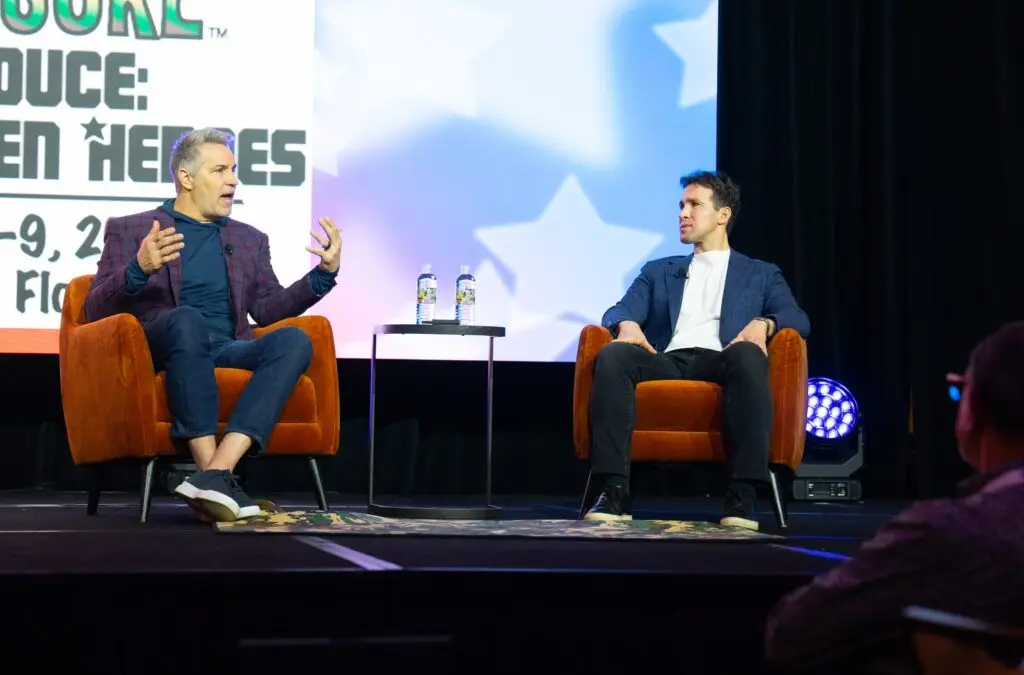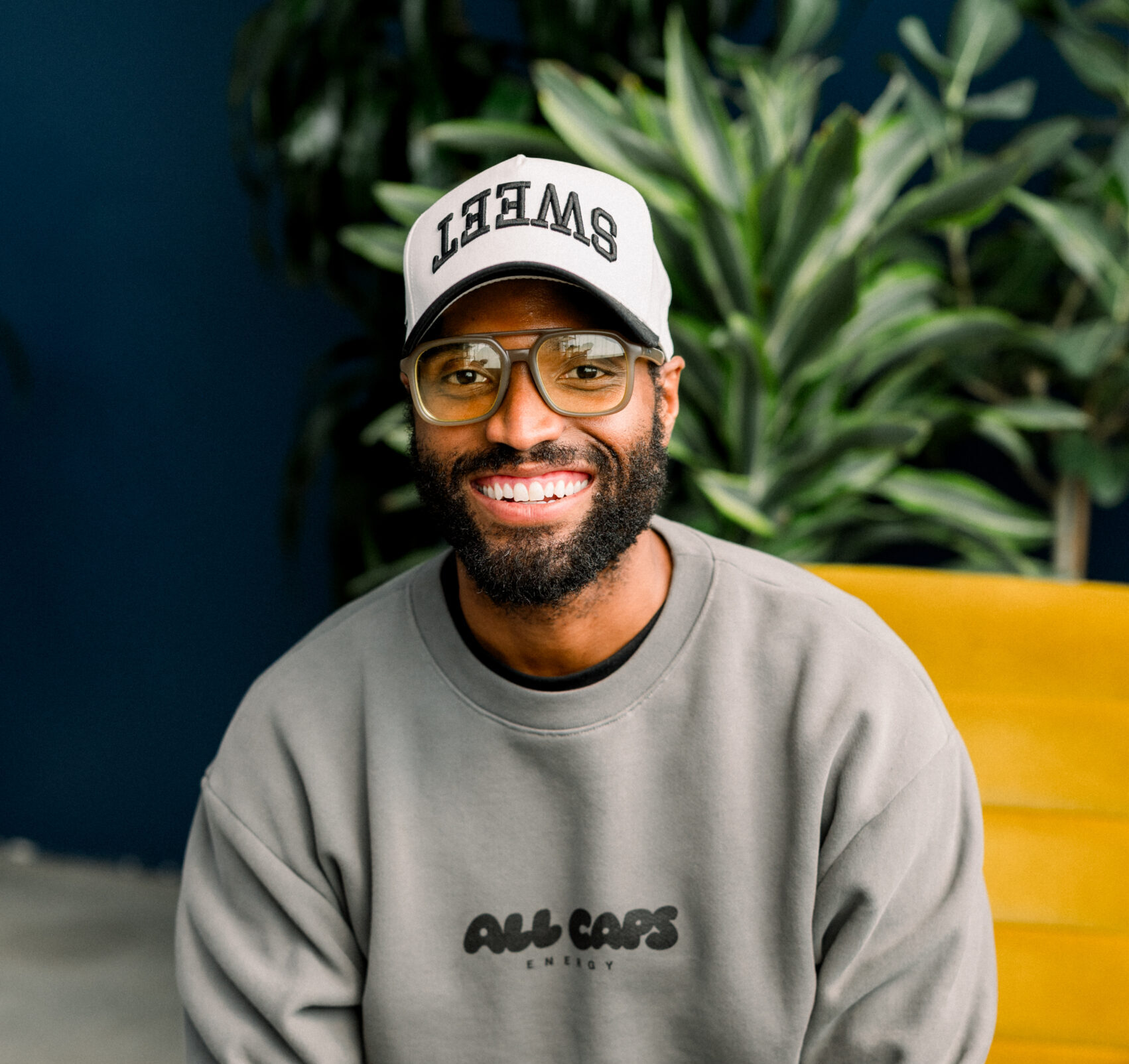

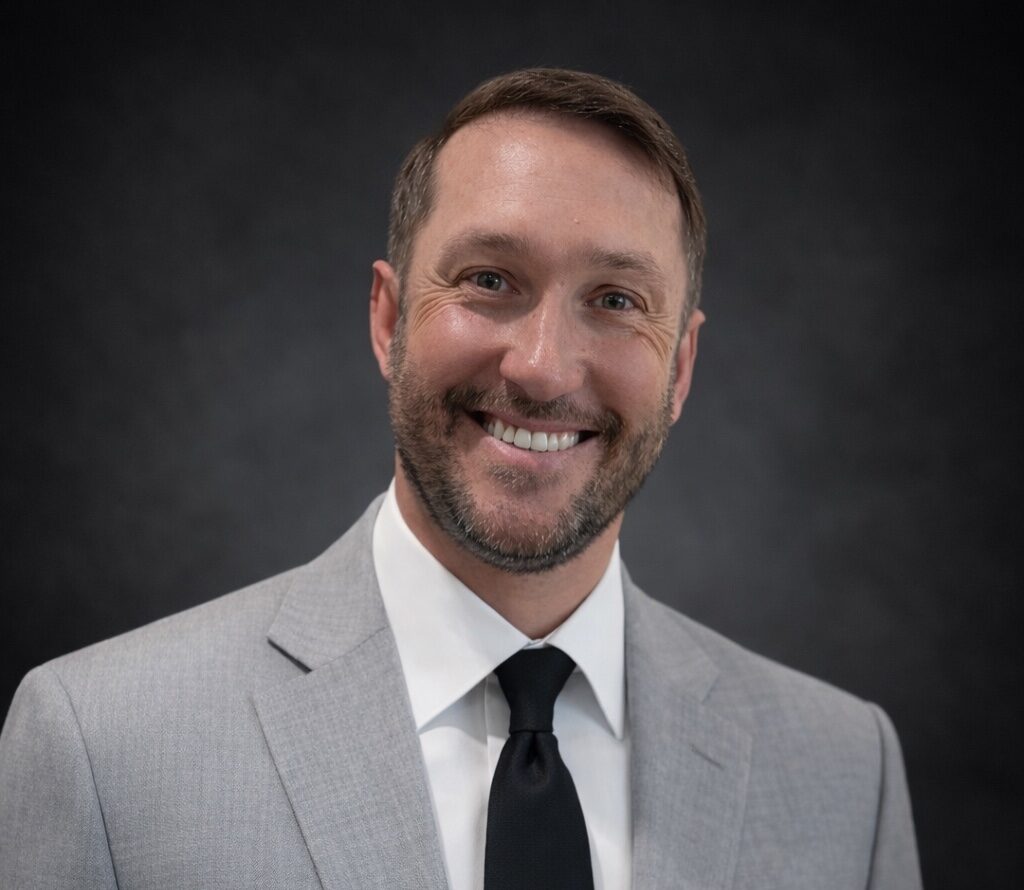
I recently went one-on-one with Travis Miller, CEO of Northwestern Golf.
Adam: Thanks again for taking the time to share your advice. First things first, though, I am sure readers would love to learn more about you. How did you get here? What experiences, failures, setbacks, or challenges have been most instrumental to your growth?
Travis: I didn’t take the traditional path. I dropped out of college with about ten credits left because I had started my entrepreneurial journey, and I never went back. I have an associate’s degree, but most of what I know came from doing the work, getting things wrong, and figuring out how to do them better the next time. Early on, I worked my way up in the home security industry and became Vice President of Sales and Marketing at Brinks Home Security. That role taught me how to sell, how to lead people, and how to build processes that work, regardless of whether I’m there or not.
Golf was a sport I came to later than most in the game, and I love it. I started PGA Memes as a place to share funny golf content, and ran it anonymously, initially. I was just having fun. Over time, it grew into an audience of more than a million, and then into events, partnerships, and charity tournaments. That led to building my business, five9 Media, where we help brands, athletes, and creators in golf.
Looking back, I would say the setbacks taught me more than the wins. I’ve done sales for a lot of companies that nobody had heard of, and that is extremely difficult. I learnt fast that a good product isn’t enough if people don’t trust it yet. I’ve also posted things I regret. Regardless of how big or small something is, doing it with integrity is important, especially when it is something in public; mistakes are public too. You own them, you learn from them, and you keep going.
All of that brought me to where I am now, though, adding CEO of Northwestern Golf – and this is where I get really excited. It was through PGA Memes and years of talking with everyday golfers and watching the game change in real time. One thing kept coming up: potential players – male, female, young to old – want to play, and the cost of playing is prohibitive and keeps going up. When the opportunity came to help rebuild a legacy brand that was originally built around making golf accessible, it felt like everything I had done up to that point was preparing me for it.
Adam: In your experience, what are the key steps to growing and scaling your business?
Travis: For me, growth starts with taking a step back and listening. Listen to customers, and pay close attention to where the industry is moving. The best opportunities are usually sitting right in front of you. Most people are just too busy to see them. Once you know where the market is going, then you can build something that gives people a reason to choose you. Entering a category and blending in doesn’t work. If you look and sound like everyone else, the customer will default to the name they already know.
Keep the team as lean as you can for as long as you can. A small team stays focused on execution and makes decisions quickly. As you start to see where the biggest opportunities are, add people in the areas where they will have the greatest impact. Hire for the problem in front of you, not the org chart you imagine having someday.
Be patient. Make sure the product, the timing, and the infrastructure are ready before you launch something or make a promise. Moving too fast creates problems that are much harder and more expensive to fix later. I’ve turned down good opportunities because the timing was wrong, and I don’t regret it. Finally, know your limits. As an entrepreneur, there will always be opportunities that look appealing. Saying yes to everything will hurt you. I would much rather run a company that is exceptional at a few things than one that tries to do everything and executes poorly. That is a short-term strategy; go for longevity.
Adam: What are your best tips on the topics of sales, marketing, and branding?
Travis: Perception is reality. What people believe about your company is, for all practical purposes, the truth until you change it. That applies to customers, employees, investors, and suppliers. Your job is to shape that perception with what you do and how you communicate it. Trust comes before everything else. In my world, a good price can actually work against you, because people assume a lower price means lower quality. You can’t argue someone out of that. You have to show them, through real customer feedback, through the people who vouch for you, and through consistency over time.
Be authentic. Audiences are smarter than brands give them credit for. When a company jumps on a trend or a cause just because it’s in the news, people can tell, and it backfires. Do things because you believe in them, and you won’t have to worry about how they look. Know your audience better than anyone else does. PGA Memes worked because I was a golfer making content for other golfers. I knew what they laughed at and what they cared about. Every good marketing decision I’ve made since has come from that same place.
Plan your content. A handful of well-planned shoots can give you weeks of content and keep people engaged during the stretches when you don’t have a big announcement. Consistency beats volume. And respect timing. Every industry has its seasons. In golf, spring is everything. If you show up at the end of summer, you’ve missed the window, no matter how good your message is.
Adam: What do you believe are the defining qualities of an effective leader?
Travis: The first is communication. People need to know where the company is going, especially when progress isn’t visible from the outside. Silence creates doubt. Even when you can’t share a big milestone, you can share meaningful progress and keep people confident. The second is accountability. When you make a mistake, raise your hand, say it plainly, and fix it. I have a lot more respect for the person who gets in front of a camera and owns it than for the company that hides behind a written statement.
The third is patience. Not everything happens on your timeline. Partnerships take longer than expected. Products take longer than expected. A good leader stays steady and keeps executing behind the scenes. The fourth is comfort with uncertainty. You will rarely have perfect information. Customers change, markets change, timelines move. You still have to make the decisions. And the last is listening. The best leaders I’ve worked with ask more questions than they answer. They know they don’t have all the answers, and they go find the people who do.
Adam: How can leaders and aspiring leaders take their leadership skills to the next level?
Travis: Surround yourself with people whose experience is different from yours. My business partner, Mike Morgan, has spent five decades in the golf equipment business. I’ve spent the last decade in golf media, marketing, and entertainment. We see things differently, and that is exactly why it works. Take advice seriously when it comes from people who know more than you do. If you hire an expert, listen to them. Ego is expensive.
Learn from your mistakes more than your wins. Wins feel good and bring lessons too, but mistakes show you where your process breaks. Every financial mistake I’ve made has made me more disciplined about growth, capital, and partnerships. Get comfortable wearing different hats. On any given day, I might work on product, handle a customer issue, jump into a sales call, review the numbers, and finish the night on content. Understanding every part of the business makes you a better decision-maker. Finally, stay curious about the people you serve. The moment you stop listening to your customers, you start leading based on assumptions.
Adam: What are your three best tips applicable to entrepreneurs, executives, and civic leaders?
Travis: Listen before you build. Whether you’re launching a product, running a department, or serving a community, the answer usually comes from the people you’re trying to serve. Ask them, then act on what you hear. Say no more often than you say yes. Every yes takes time, money, and attention away from something else. If saying no protects your reputation, your quality, and the commitments you’ve already made, it’s the right call. Communicate during the slow periods. Everyone talks when there’s good news. Leaders who keep people informed when things are quiet are the ones who keep trust when things get hard.
Adam: What is your best advice on building, leading, and managing teams?
Travis: Get the right people on the bus first. Skills can be taught. Work ethic, character, and passion for what you’re doing can’t. Give people real ownership. Don’t bring someone talented onto your team and make them a figurehead. If someone has the ability to lead and lean in, let them. People rise to the level of responsibility you give them. Put people where their strengths are. On a small team, everyone wears multiple hats, but each person should own the thing they do best. Your job as the leader is to know what that is and get out of their way.
Keep everyone informed. Your employees should never be the last to hear what’s happening in the company. When they understand where you’re going and why, they make better decisions without you. And stay lean until you know where the impact is. Adding people too early creates noise. Adding the right person at the right time creates momentum.
Adam: What is the single best piece of advice you have ever received?
Travis: Be patient. Early in my career, I wanted everything to happen right away. I’d push to launch before the product was ready or make a promise before the infrastructure was in place. The advice was simple: the things worth building take longer than you want them to, and rushing is how you end up paying twice. It took me a few expensive lessons to understand it, but it’s the most valuable thing I’ve learned. Most of the mistakes I’ve seen, mine included, come from moving too fast, not too slow. Patience has become a very close ally.
Adam: Is there anything else you would like to share?
Travis: Golf is growing faster than it has in a long time. According to the National Golf Foundation, 48.1 million Americans played golf in 2025. That’s a huge opportunity, but only if the game is open to the people who want to play. Everyone in golf talks about growing the game. I’d like to see the whole industry back that up by making it easier and more affordable for new players, juniors, women, families, and seniors to get started. And to be accountable, I’ve seen the growth firsthand, through the 40+ events I’ve hosted. I’ve heard how expensive golf has become and how hard it is to begin, as there are too many barriers. Golf gave me my career, my friendships, and a lot of laughs. I want more people to have that. It’s become part of my greater purpose and why I’ve joined the Northwestern business.