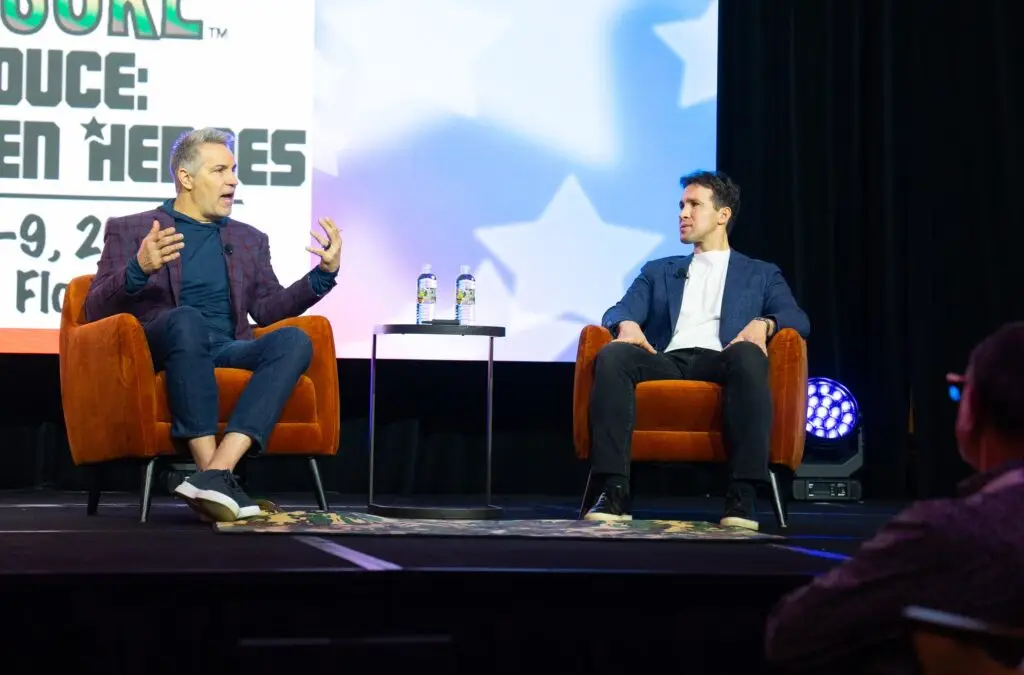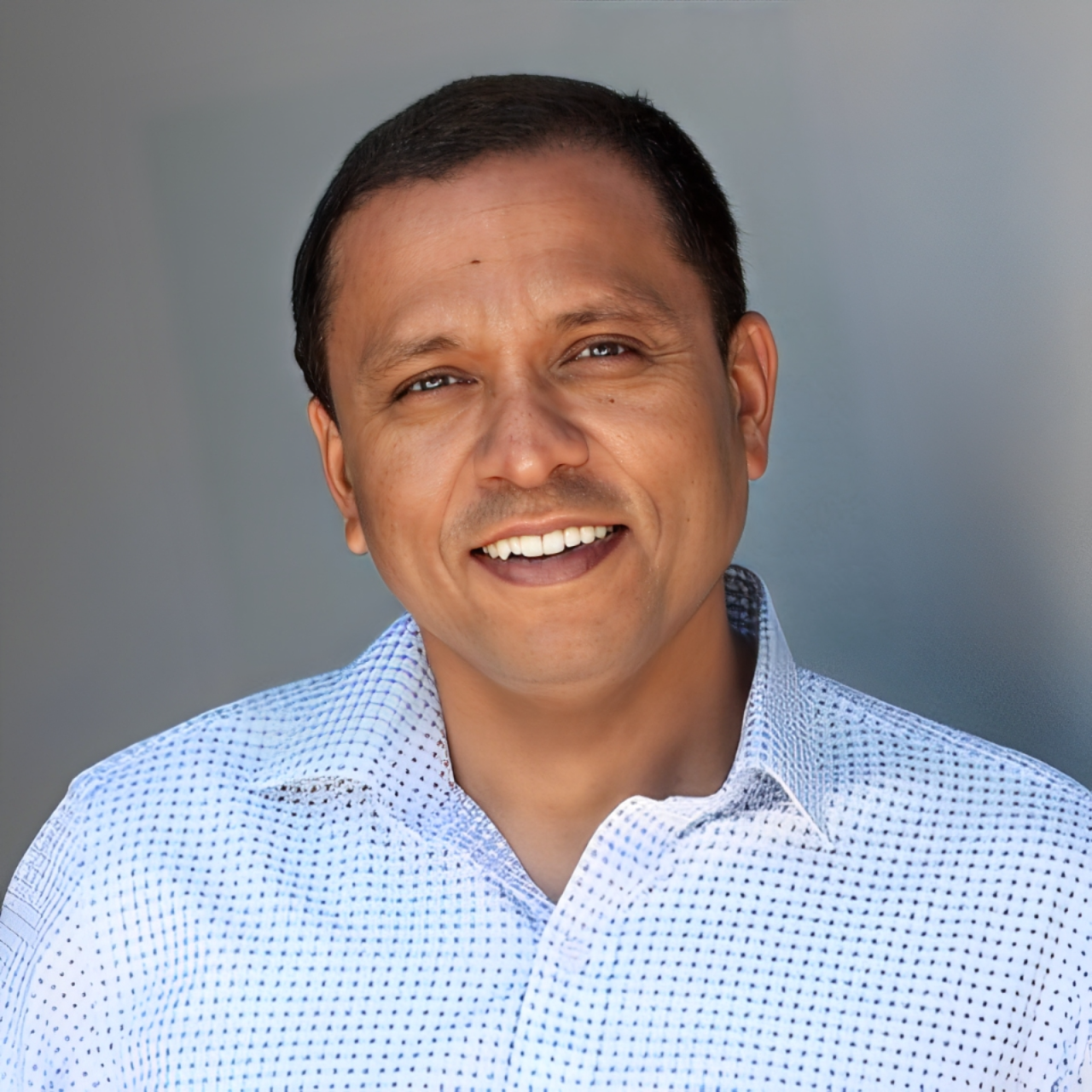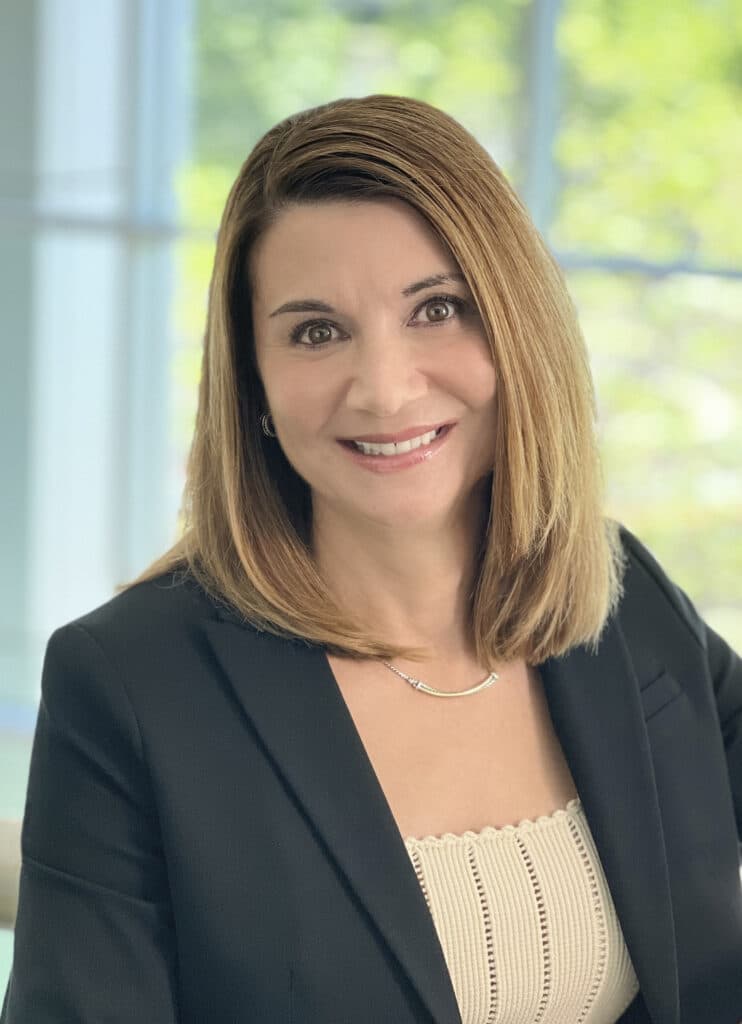
I recently went one-on-one with Melissa Jones, Chief Human Resources Officer of CSAA Insurance Group.
Adam: What drew you to the field of human resources? How did you become a Chief Human Resources Officer?
Melissa: It wasn’t intentional. Going back to my childhood, I’m one of 10 children, the ninth of 10, all single births and all with the same parents. My dad was a blue-collar worker, and my mom stayed home. It was a challenging environment with that many kids, one income, and not a very high income. My mom was very proud and wouldn’t ask for help, so that mindset stayed with me throughout my childhood.
I went to college on my own because we couldn’t afford it. I’m proud that all 10 of us attended some form of college. We were the first generation on both sides of our family to do that, and that pride came from our parents. I started college as a chemistry major because I thought I wanted to become a pharmacist, which is probably about as far from HR as you can get. I quickly learned that working in a lab wasn’t the best use of my skills, so I changed my major to social sciences to keep my options broad.
I graduated, got married young, and moved from Cal Poly in San Luis Obispo to the Bay Area because my husband and I believed that was the best place to find jobs. Neither of us had a job right out of college. At the time, we were faxing resumes everywhere we could find possible employment. My first job was at a courier company that had two part-time openings, one in collections and one in payroll. I did well at both, but collections wasn’t fun, so my next job focused on payroll and benefits. From there, I learned the different functions within HR.
I’ve always been a hard worker and very scrappy. One of the biggest lessons I learned came when I was struggling with something and didn’t ask for help. My new manager asked why, and I told her I didn’t want her to think I was incompetent. I apparently said it with tears in my eyes. She told me, “You should never be afraid to ask for help. If I help you four times and you still don’t understand it, that’s different. But you should never be afraid to ask.”
That taught me that it’s okay to ask for help and support. I worked in different parts of HR, and when I came to CSAA Insurance Group, I led a team of HR business partners. My predecessor became a strong mentor and advocate. When she retired in 2019, we had a brand-new CEO who knew nothing about me, but she advocated for me to get this role, and I did. Working hard is really important, but support, mentorship, help, and advocacy are also critical to your career.
I don’t have the same background or path as many people in the C-suite. You don’t have to attend an Ivy League school to be successful. It’s more about who you are and what you bring than where you came from.
Adam: What are the most important things someone needs to bring to the table to be successful?
Melissa: There are a few. You need to surround yourself with strong people. The further you move up in an organization, the less it’s about your technical skills and the more it’s about your leadership skills. Surround yourself with good people whom you can help develop, and help their careers flourish as well.
Resilience is also incredibly important, and I believe it’s a skill you can build. Your path is never going to be linear. You’re not going to get everything you think you want or need, so when you get knocked down, you need to be able to pick yourself up and move forward.
Humility is another important skill, and it’s something you can learn. It means knowing when to ask the right questions, recognizing what you don’t know, and staying open to other opinions. I would also add the ability to see the future as bright instead of only seeing challenges or being unable to look past what’s directly in front of you.
I believe in being positive and seeing the glass as half full rather than half empty. That has served me well. Constant negativity isn’t productive, and it isn’t good for you. It creates a mental strain that sets you back instead of moving you forward. Those qualities have been central to my success.
Adam: You mentioned that humility and resilience can be developed. How can someone develop them?
Melissa: Humility starts with being curious and asking questions. If you’re not curious and don’t ask questions, you’re not going to learn. It also requires challenging your own assumptions. You may believe something is true, but you should ask whether there could be other truths. Regularly challenging your own assumptions and beliefs is important.
I also learned a long time ago about positional authority. If I speak first, I’m going to shape everyone else’s opinions, so I tend to wait until others in the room have spoken. Even when I disagree, I address it by probing and asking questions. That’s a great way to develop humility. Start with questions instead of starting with facts, or with what you believe to be facts. It comes down to curiosity and a willingness to challenge the ideas you believe are true.
Adam: Curiosity and humility are two of the defining characteristics of the most successful leaders. They show up not only as interesting, but as interested. They’re constantly asking what they can learn from others and trying to leave with more knowledge than they had before.
Melissa: Absolutely. I love that notion of being both interested and interesting and being open to both sides.
Adam: The most successful people are often invested not only in their own success, but in the success of everyone around them. They ask how they can use their knowledge, skills, and experience to help others.
Melissa: Absolutely. As I said before, the further you move up in an organization, the more your role becomes about how you lead and inspire teams, not the technical work you have to do.
Adam: Curiosity, humility, and optimism can help someone get hired, rise in their career, and lead effectively. What other qualities matter?
Melissa: I think about leadership as inspiring people to deliver the best results. I’m oversimplifying it, but it’s twofold. You have to create a culture and environment where people feel they can bring their whole selves to work, and you have to give them an opportunity to do meaningful work that helps them advance in their careers.
It’s also important to understand the values of the company you’re considering. In my opinion, one of the most miserable work experiences is working for a company whose values don’t align with yours. Do your homework. We’re very open about our focus on inclusion and belonging and our focus on communities. We communicate that on the front end so people who are interested in working here understand who we are. It probably also keeps some people from applying if they wouldn’t feel comfortable in the environment we’re creating.
Anyone new to the workforce or looking for a job should research the company and make sure it’s a place where they can thrive. You spend so much time at work, almost as much as you do with your family, so it has to be a place where you feel comfortable, can thrive, and can meet your career goals. Doing your homework and being selective about the type of company you work for is really important.
Adam: People often focus on pay, prestige, and upward mobility when evaluating a job. Those things matter, but cultural fit should be at the top of the list. A company could be right for a friend, neighbor, or sibling without being right for you. In your experience, how important is cultural fit?
Melissa: It’s incredibly important. If a company presents something during the interview process that doesn’t feel real once you get there, it’s selling something it shouldn’t be selling. That’s a major piece of advice I would give any CHRO or CEO. What someone sees on your website and experiences during the interview process needs to match what you can actually deliver and what that person’s experience will be.
We’re very deliberate about showing as much of our culture as possible. Whether you’re a policyholder, a member, or a prospective employee, what’s presented externally should feel authentic when you’re inside the company.
Adam: From a candidate’s perspective, how can someone determine whether an organization is the right cultural fit? From the employer’s perspective, how can an organization assess whether a candidate is the right fit?
Melissa: From the candidate’s perspective, do your homework. There’s so much information available before you explore opportunities with a company. Use platforms like LinkedIn to find out whether you know anyone who works there. Those people can be some of the best sources of information about what the company is really like. You can also use Glassdoor and other sites that offer employer reviews and assessments. The biggest piece of advice is to research the company and connect with people who can give you an authentic picture of the employee experience.
From the employer’s perspective, we focus on whether someone is going to be a good fit. The technical qualifications are table stakes. They’re important because you need to know that the person can do the work. But our recruiting team also works with hiring managers to develop questions that help us understand whether someone will fit within the organization. Because community involvement matters to us, for example, we may ask what someone does in the community.
We tailor those questions to the role and the candidate’s level of experience. We hire many people entering their first professional jobs, so we understand they may not have the same depth of cultural experience as someone further along in a career. We make sure the questions are appropriate for their level, but we ask about much more than the technical aspects of the role.
For some roles, we also use formal assessments, especially to understand the leadership attributes a person brings and whether those qualities align with what we expect from leaders in our organization. Once someone joins, it’s important that they engage with the culture. We have employee resource groups focused on areas such as gender, ethnicity, and mental well-being, along with other topics people care about. We give employees opportunities to get involved because we believe they’ll be better employees if they feel they can contribute beyond what’s written in their job descriptions.
Adam: The job market is highly competitive, and many people are trying to figure out how to stand out among hundreds or even thousands of applicants. What tangible steps can someone take to separate themselves?
Melissa: The first thing I would ask is whether you know anyone there. Can you make a connection, whether it’s a direct connection or someone further removed? We’re thrilled when we receive employee referrals or have someone who can vouch for a candidate. That isn’t always possible, but it can be very important.
I would also say to embrace AI. My son is in his second year of college and recently declared that he wants to be a business major. His school offers a minor in AI, and I encouraged him to consider it because, whether people like it or not, that’s the future.
AI isn’t replacing human skills such as judgment, compassion, and humility. It can free you to use those skills more effectively. Every person who works here should think of AI as some type of assistant. If you can provide examples of how you’ve used it to support your work, that matters.
As an organization, we’re focused on encouraging people to use it. It’s almost impossible to rely only on technical training because the technology changes so often. We’re concentrating on mindset training. How do I think about using this? How do I continue to evolve my capabilities and skills? How do I embrace it? For leaders, how do we lead in this new environment? That has been a major focus for us.
Adam: What is the mindset for success? How can anyone develop a winning mindset?
Melissa: Focus on how you can use AI to amplify your human skills and give yourself more time to focus on them as the technology evolves. We’re encouraging people to embrace it and continue learning. As you mentioned earlier, the most successful people are lifelong learners. The mindset is that I’m going to embrace this, continue to learn, understand it, and take advantage of the opportunities available to me.
I understand that some people are afraid of it, but the people who don’t use AI should be more afraid of the people who do use it than of AI itself. It has already changed how we work, and it will continue to do so.
My advice to anyone who can influence a culture is to train people on the mindset and encourage them to embrace it. Every person in our organization has access to some type of AI tool, and we have a 97 percent adoption rate. We define adoption as someone using it regularly, at least a few times a week.
You can’t simply give people tools without training them or helping them develop the right mindset. We rolled it out slowly because we wanted to make sure the mindset training was in place. Our CEO and colleagues across the organization consistently encourage people to use these tools in every public forum. I think that has driven our strong adoption.
Adam: Are there any other key skills for career and leadership success?
Melissa: I love the idea of helping people reach their career goals. You may have the best person on your team, someone who does the job better than anyone you could imagine. But if that person isn’t fulfilled or needs something more that you can’t provide, you should export the talent, whether that’s internally or externally.
Hoarding talent for your own benefit won’t deliver great results. It will eventually create disengagement. I believe in helping people find the next opportunity, whether it’s inside or outside the company. That’s a key requirement for someone who truly believes leadership is important and feels responsible for helping other people build their careers. I feel a responsibility to pay it forward, and that mindset is important for leaders.
Adam: What you’re describing is alignment between what someone loves doing, what they’re great at, the impact they want to make, and the work they actually do. Leaders have a responsibility to help people find that alignment, even if it means moving them into a different role.
Melissa: Exactly. Just because you’re not successful in one role doesn’t mean you can’t be successful in another. Organizations should have the mindset that they hired this person for a reason. Maybe the person simply isn’t in the best role, and the organization should help find the right one.
We do it regularly. I don’t want to discuss specific individuals, but when we have what we call a performance-management issue, one of the first questions we ask is whether this is the right role for the person. The members of my team who consult with managers regularly raise that question.
We always have openings and opportunities that need to be filled, so we bring that mindset to performance-management situations. If the concern is behavioral, that’s different. But if it’s a technical concern, we ask whether there may be another opportunity that’s a better fit. You hired the person for a reason. Maybe there’s another role where that person can succeed.
Adam: Mindset goes hand in hand with mental health and well-being. What is your approach to building a successful culture of wellness, and what advice do you have for leaders at every level?
Melissa: It’s incumbent on an organization to create an environment where people can bring their whole selves to work, be well, and feel supported throughout their careers and beyond. We focus heavily on well-being as an organization.
Before the pandemic, we had three traditional pillars of well-being: mental, physical, and financial. Financial well-being means we want to take care of people while they’re working and, if they remain with us through retirement, continue supporting them into retirement.
During the pandemic, we added a fourth pillar: social well-being. We used to be office-focused, but now 97 percent of our employees work remotely. We still bring people together because human connection is an important part of well-being. During the pandemic, when people couldn’t interact socially, it became essential to develop ways for them to connect.
We created online versions of water-cooler conversations and began hosting weekly listening sessions. When there’s something people need to talk about, we provide a space where they can have open conversations. The U.S. Surgeon General has said loneliness can be as harmful as smoking a pack of cigarettes a day, so we needed to focus on creating social opportunities, especially for remote employees.
We’ve also developed a volunteer program with both in-person and online opportunities that bring people together. We look at all four areas and make sure we have a strong strategy for mental, physical, financial, and social well-being. Everyone has access to a fitness app, fully paid for by the company, where they can do workouts, yoga, or whatever helps them stay physically well. We also have a wellness platform where people can track their goals and connect socially with others.
When we think about total rewards, we don’t think only about pay and benefits. We consider the full range of ways we can help people stay well from the time they join us through retirement.
In our organization, anyone who wants to get involved can get involved. It doesn’t matter whether you’re a people leader or a leader in another capacity. We have culture champions, employee resource groups, wellness champions, and community-impact champions.
You can become a member and then raise your hand to lead if you’re especially interested. That’s a great way for someone who isn’t a people manager to gain leadership experience. These groups are very visible within the organization, so becoming a lead or co-lead can help someone begin working toward a people-leadership role if that’s their goal. I love the idea of asking how you can get involved. For us, there’s no shortage of opportunities.
Adam: What can anyone at any level do to help build a winning culture?
Melissa: The most important thing is creating an environment where people can bring their full selves to work. That can involve inclusion and belonging, wellness, community involvement, or simply creating space for people to connect beyond work.
Every Monday at noon, my team gets together for 15 minutes. We started doing it during the pandemic, and the only rule is that you can’t talk about work. We want to create an environment where people can talk about things beyond their jobs and feel that they belong.
Continue asking where you can contribute. Find something you’re passionate about, whether it’s the work itself or an opportunity that comes with being part of the organization. I firmly believe that passion drives the best results in anything you’re doing.
Adam: What are the most common mistakes people make while trying to rise in their careers, and how can they avoid them?
Melissa: First, be patient. This can be an immediate-reward generation, but advancement doesn’t always happen quickly. You have to be patient and work at it.
Second, don’t become defensive when you receive feedback. You may feel knocked down, but you need to get back up and view feedback as a gift instead of something you have to defend yourself against. Defensiveness is one of the biggest mistakes someone early in a career can make.
Another important skill is setting context and knowing your audience. If you’re preparing a presentation or discussing your work with your manager or a broader group, understand who will be in the audience, what they know, and what they don’t know. Set the context at the level of the person with the least knowledge of the subject.
You don’t need to overdo it or walk through the entire history, but you should understand the audience and customize your message. Sometimes I’m in meetings about programs I haven’t received an update on for a month, and the presenter doesn’t provide enough context. We then have to spend time asking questions just to get to the point where we can understand the data or information being presented. Context-setting is incredibly important.
Adam: That comes down to preparation and understanding your audience. You need deep command of the material instead of memorizing a script, and you need to know what the people you’re speaking to care about and understand.
Melissa: Exactly. Whenever I have to present, I may begin by scripting something out. Then I reduce each paragraph to one word that reminds me what I want to discuss. That’s a great way to become comfortable with the material. If you need reminders or notes, one word can help you recall what you’ve prepared without relying on a script.
Adam: Is there anything else you would like to share?
Melissa: It was a pleasure speaking with you. I would leave everyone with the importance of resilience and positivity because I believe those are two critical characteristics for anyone who wants to succeed in a career.
Adam: How can anyone cultivate resilience and positivity?
Melissa: It requires a mindset shift. From a resilience perspective, instead of treating a setback as the worst thing that has happened to you, ask what you can learn from it.
From the perspective of maintaining a positive outlook, I’m not going to pretend these aren’t challenging times. When you consider the external environment, there’s a lot happening. Focus on what you can control, influence, and positively affect. That mindset will help you think about how you can influence what happens in your life and at work.