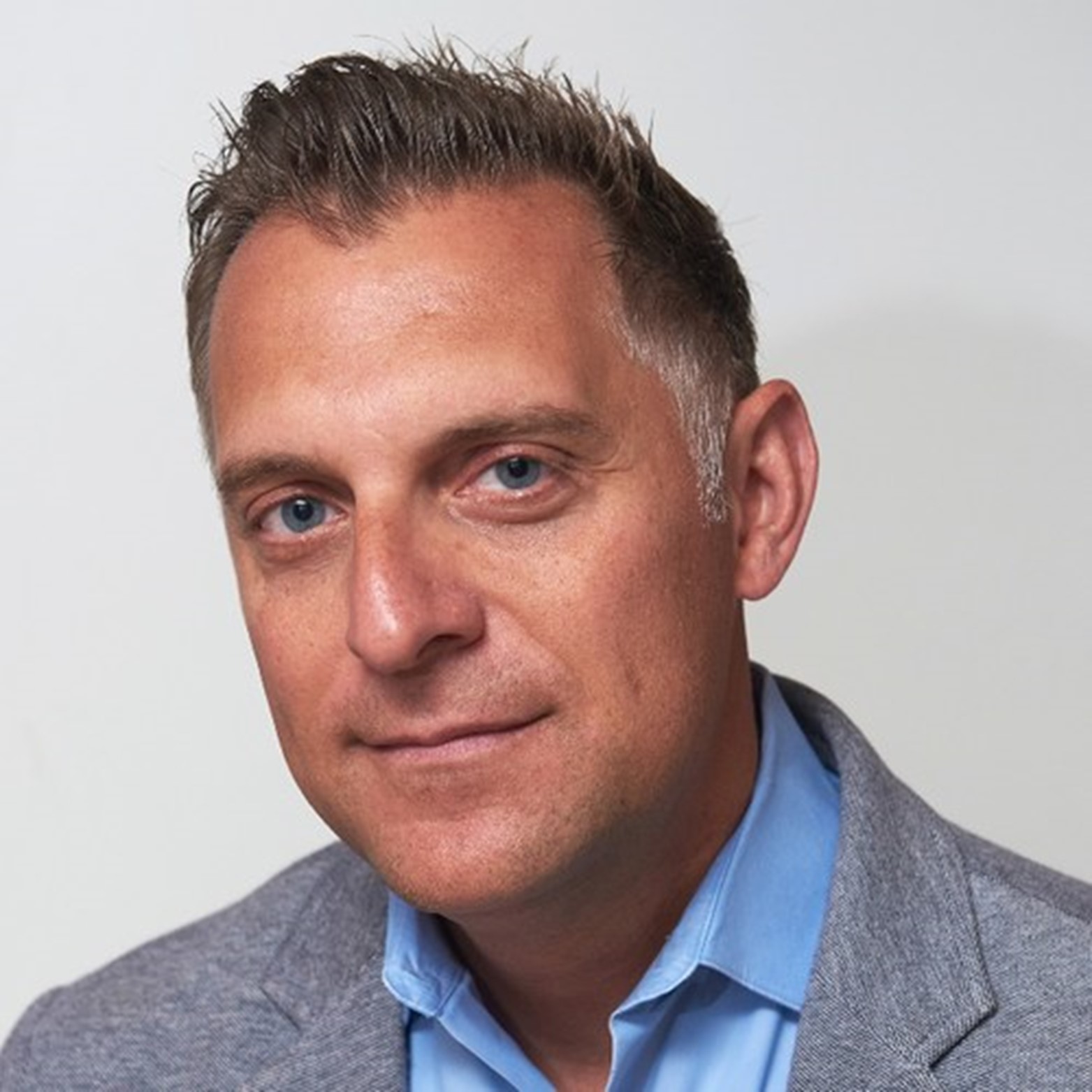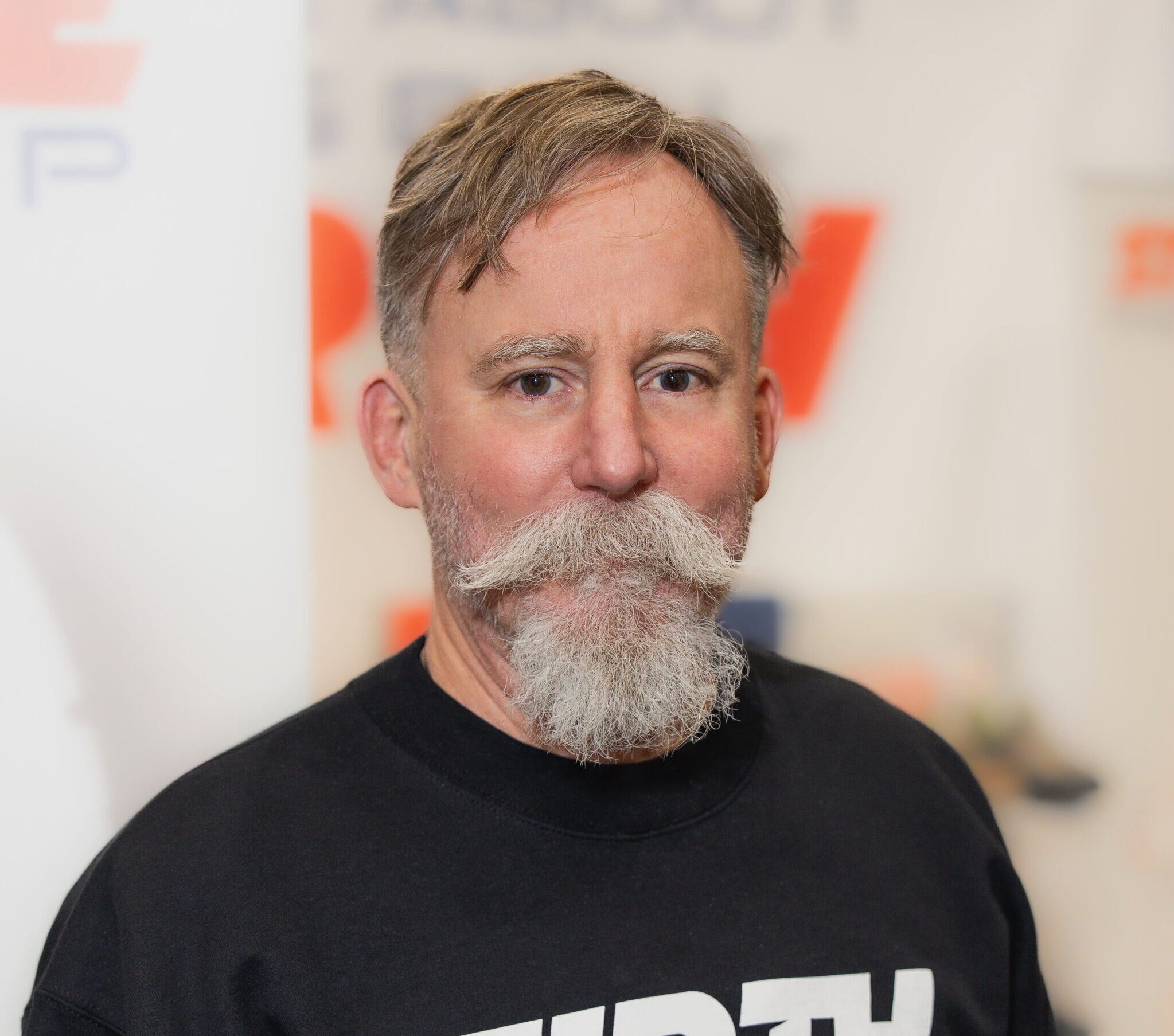


I recently went one-on-one with Michael Montelongo. Michael has served on a wide range of corporate boards – most recently with Civeo Corporation, Monarca Authentic Snacks, and Conduent Inc. – and was the Chief Financial Officer and Assistant Secretary of the Air Force, managing all corporate financial activities for a $120+ billion global enterprise.
Adam: You grew up in New York and you served in the military before going to business school and ultimately serving in leadership roles in both government and in business. What early experiences and lessons shaped your worldview and shaped the trajectory of your success?
Michael: Adam, thanks for the question, because I do think that for all of us, our trajectories, the arc of our journeys, are essentially shaped by our experiences, particularly those in the early years. As you pointed out, I grew up in the Lower East Side of Manhattan in New York City. This was back when New York was a bit more dangerous than it is today, especially in that neighborhood. Some people would remember the area as Alphabet City, near Delancey Street, and so forth. Some of your audience who have been to that part of New York City will know what I’m referring to.
In the late 60s and 70s, New York wasn’t a very safe place. I was the first child, the first son, of a Puerto Rican mother and a Mexican-American father who had very little formal education. They were adamant that my siblings and I would receive the grade school education they never had, because they strongly believed that foundational education was essential to success in America.
At that time, the public school system in New York was in poor shape. Many schools were plagued by gangs, drugs, and violence. I’m still not sure how my parents managed it, but they sent us to parochial school. Attending school with Capuchins and Dominican nuns was a lifeline for me and my siblings. I also went to a Jesuit high school. These experiences, combined with how I was raised, were my first exposure to the ethos of service.
When I went to West Point, that ethic was further reinforced. The whole notion of service to others, and that the most noble duty is to serve others, became deeply embedded in my DNA. It influenced everything I did, first as an Army officer, then as a presidential appointee serving as Air Force CFO, and later in my career in the private sector.
Adam: How do you define servant leadership, and what are the keys to servant leadership?
Michael: As the term suggests, it’s a style and approach to leadership that is other-centered. In other words, it’s not focused on you as the leader but rather on those who are working with and for you. Your energy, time, and resources are dedicated to their welfare.
When I was a young lieutenant, there were two phrases that captured the concept of servant leadership. The first is “the troops eat first.” As an officer, this meant that the enlisted folks, those on the front lines, had their needs prioritized above mine. Their ability to take care of themselves came before my own.
The second phrase is “mission first, people always.” In the military, we are laser-focused on accomplishing the mission, but not at the expense of our people. You are always mindful of taking care of your team. That phrase still resonates with me and always has.
Adam: What can anyone do to be a great servant leader?
Michael: I think servant leadership can be cultivated, but it’s something you have to work on continuously. It’s not one and done. You need a high degree of self-awareness about your strengths, weaknesses, and opportunities for growth.
I use the acronym HAVE to describe what’s required. A HAVE leader possesses Humility, Authenticity, Vulnerability, and Empathy. If you can develop and practice those characteristics and embed them deeply into your leadership style, you’ll be well on your way.
At West Point and in the Army, I learned the importance of being a leader of character. That means making decisions based on purpose and core values, and having the integrity to live by them.
There’s a long-standing myth, especially in the military, that leadership is about being domineering. Yes, you must be decisive and confident. But leadership is about teams. It’s about how you engage others and influence them to work together, support one another, and accomplish the mission.
Some of my business peers believe that leadership in the military is just about barking out orders. That’s not true. Long-term effective leadership requires building trust. People don’t follow titles. At best, they comply. At worst, they resist. If you want to build trust, you must be other-centered. You must be a servant leader. If your mindset is “I want you to serve me,” that approach will not sustain itself over time.
Adam: Michael, I love it, and I’m smiling because I did an interview with a retired admiral who told me that over the course of his entire military career, he can count on one hand the number of times anyone ever told him this is an order.
Michael: I’m glad you said that, because I can count on one hand as well. That happened decades ago. More recently, I think the public has seen the exploits of our troops, particularly those in the Special Operations community. Many people have heard of the SEALs, Rangers, and other elite teams. These are some of the most competent, high-performing teams in the military.
They succeed because of trust. Now, take that out of a military context. Think about sports, which most people can relate to, especially the Olympics or any championship team. The teams that prevail are the ones where the coach has built a high level of trust among top-tier athletes. These athletes are the best in their fields, but they come together and blend their skills to achieve victory.
It’s not about orders. Unless there’s trust, the team might tolerate a leader briefly, maybe comply in the short term, but it won’t last.
So, how can leaders build trust? One of the key foundations is integrity. At its core, integrity is a choice. It means choosing courage over comfort, choosing what’s right over what’s easy, and honoring your word even when it’s costly.
Fundamentally, integrity is the alignment of three things: your core values, your words and actions, and doing all of that in service of others.
For me, integrity has been a constant theme. It connects to my Jesuit high school experience and its ideals of service. It aligns with West Point’s values – duty, honor, country – and the Honor Code: A cadet will not lie, cheat, or steal or tolerate those who do. It’s also tied to the West Point cadet prayer: make us choose the harder right instead of the easier wrong, and never be content with a half-truth when the whole can be won.
I also had the privilege of attending Harvard Business School, whose ethos is to make a difference in the world through principled leadership, which is essentially servant leadership.
One way to assess your personal integrity index is by behaving consistently in private and public. You can’t compartmentalize integrity. Another way is through your decisions under pressure. That’s when your integrity is truly tested. And finally, consider how others experience your leadership. Do they trust you or not?
Adam: How can anyone develop and strengthen their integrity?
Michael: I believe integrity is something that anyone can develop and strengthen at any time. I’ll share a roadmap that I’ve used personally.
First, be crystal clear about your core values. This requires deep self-awareness and introspection. It’s helpful to write your own personal leadership philosophy or code of conduct. Putting it into writing helps crystallize what you truly believe in and what matters most to you.
Then, align those values with your words and actions. Practice consistency, especially under pressure. That consistency develops your integrity muscle.
Next, think about who you surround yourself with. Choose people who are integrity-driven. Seek out mentors who model values-based servant leadership. There’s a phrase I like: show me your circle and I’ll show you your standards.
I use what I call the mom and grandma test. They used to tell me, in Spanish, show me who you hang out with and I’ll tell you who you are. That advice has stayed with me.
And lastly, get into the habit of stress testing your integrity. Reflect regularly. Refine your behavior. Recommit to your values. I call this an integrity audit. Journaling can be helpful, but what matters is regular self-examination to stay aligned with your moral compass.
In many ways, it’s about rehearsing moral discipline through your daily choices. General Stan McChrystal, in his recent book on character, said that character is tested not in calm but in moments when doing the right thing is costly. He calls character a muscle that’s built through deliberate practice and reflection.
To sum up, integrity is not about perfection. It’s about striving to do the right thing and course-correcting along the way. It’s a daily decision to live aligned, to lead courageously, and to serve something greater than yourself.
There’s a quote from Stan I love: In the end, it won’t be your resume that defines you. It will be your character, your character ledger. Every moment and every decision is a chance to add to it or subtract from it.
Adam: Michael, you shared so much incredible information. Integrity is a choice. Every single one of us has the ability to control whether or not we decide to act in a way that is honorable, to act in a way that is going to make us proud and is going to make others proud of us. What decision are you going to make? And something else that you shared that I really love: None of us is perfect. Integrity isn’t about being the perfect person. Integrity isn’t about never failing, not making a mistake, not deviating here and there. Integrity is about showing up every day, striving to do the right thing, wanting to do the right thing. If you have that mindset, if you want to do the right thing every day, you’re going to do the right thing a lot more often than not. And that’s really what this is all about.
Michael: Adam, you’re precisely right. And I’ve got to tell you, you said it much better than I did. It is exactly right. It’s a way to guide how we act every single day, both in our personal and professional lives, and in doing so, it shapes how we present ourselves to those we engage with daily.
The hope is that, especially if you have positional authority, you are able to exercise that authority in a way that benefits the entire team.
Adam: What kind of framework would you give to anyone on how to audit their integrity?
Michael: Thanks for asking that question, Adam. In my own journey, I’ve wanted to have a framework that helps guide my daily decision-making and keeps me aligned with my North Star. So here’s what I offer to you and your readers: a set of simple tests you can use in what I call an integrity audit.
First is the Mom and Grandma Test. Would I feel proud to tell my mom or grandmother about this decision? Would it pass muster with them?
Then there’s the Mirror Test. Will I be proud of this decision tomorrow morning when I look in the mirror?
The Headline Test: Would I be okay if this decision were on the front page of a newspaper like the Washington Post?
The Mentor Test is closely related. What would someone I deeply respect think about this?
The Legacy Test: Will I be proud of what I’ve just done or said years from now?
And finally, the Role Model Test. Would I want others to follow my example?
One of a leader’s key responsibilities is to set the tone for the organization. That tone helps shape its culture. In every organization I’ve been part of – public, private, or nonprofit – the most effective way to lead is by example.
These tests – mirror, headline, mentor, legacy, and role model – can serve as guardrails. Think of them as a checklist or framework to guide your personal integrity audit.
Adam: How important is integrity for those who are not in leadership roles within an organization?
Michael: Good question, Adam. I want to be clear that integrity and character are not exclusive to those in leadership positions. Everyone should subscribe to them, especially in a team or organizational setting.
Others are counting on you to bring your talents, gifts, and experiences and mesh them with others so the team can succeed. If you don’t exercise integrity, you’re shortchanging both yourself and your teammates. To me, that’s the definition of selfishness.
Anyone can and should make integrity a central part of how they grow professionally and personally. And it’s not just about work or organizations. Integrity is vital in your personal relationships too, with your family, spouse, siblings, children, and close friends. You want to practice the same level of integrity there as you do in professional settings.
That’s how someone demonstrates consistency, by acting with character and integrity, whether or not others are watching. If people trust you, they will follow you. If they don’t, they’ll just comply, or worse, they’ll resist.
As I said before, people don’t follow titles. They follow character. General Stan McChrystal put it perfectly. You don’t build trust with brilliance. You don’t build integrity with brilliance. You build it with character, humility, and consistency.
Integrity isn’t about competence. It’s about who you are and what you deeply believe in. It is your long-term brand insurance. It tells people they can rely on you in all situations, especially in chaos.
The military is a great case study. Troops operate in chaos, and you have to be able to rely on the person to your left and right. You don’t need to be in a formal leadership position. What matters is cultivating deep trust, character, and integrity.
When you commit to that path, you build your integrity profile. It enables trust, strengthens influence and resilience, and earns you reputational capital. When pressure hits, and you step up to make a decision, people will believe in you because you’ve earned that trust over time.
Adam: What are the easiest ways to compromise your integrity, and how can those pitfalls be avoided?
Michael: It would be, Adam, the opposite of the things I just mentioned. You compromise your integrity when you begin to rationalize small exceptions. It’s the erosion of character by a thousand small cuts. Tiny rationalizations eat away at your moral clarity, and over time, it becomes easier and easier to go down that slippery slope.
One way to stop that from happening is to apply the guardrails I mentioned earlier. Ask yourself, would I want what I just said or did to be on the front page of the Wall Street Journal? Would I be okay with my team doing exactly what I just did?
Another common trap is prioritizing approval over principles, classic groupthink. You want to fit in; you don’t want to rock the boat. But that’s when you need to exercise real courage. You need the guts to respectfully dissent, even if it makes you an outlier. That’s not easy. It’s hard. But you’ve got to come back to the fundamentals. Anchor yourself to your values, not popularity. I can’t stress that enough. When you feel exposed or uncertain, remind yourself: What do I believe in?
What do I deeply believe in? And am I taking a step that’s consistent with those beliefs, or not?
I’ve said this before, Adam, and it’s important: There’s a temptation to compartmentalize who you are. To act with integrity at work but cut corners in your personal life, or vice versa. You can’t do that. You can’t compartmentalize character. Integrity isn’t visible on demand. You have to live it as a whole person. Apply the same ethical lens in all domains, under all circumstances.
Go back to those guardrail questions. Would I be proud if everyone knew what I just said or did? And is it consistent with my values?
There are other temptations too, but I think these are some of the key ones that distract us and can knock us off our game.
Adam: Michael, I love that, and every single one of your tests is a great test. And I’m going to add another test in there, which I think summarizes everything that you shared, which starts off with asking yourself the following question: Who do I want to be? And then asking yourself the next question, which is: Am I living up to the person that I want to be? And that will allow you to recognize whether or not you’re doing the right thing.
Michael: Adam, I love that. I’m writing it down. I’m going to attribute it to you, and I’m going to call it the aspiration test. Who do I want to be? And in this decision or action, am I moving toward that aspiration?
You’re spot on, my friend. We’re human beings, so by definition, we’re imperfect. But if we’re true to ourselves and to our aspiration to be individuals who contribute to the welfare of others and to society as a whole, then we will make a difference.
And one of the best ways to do that is through self-awareness and self-reflection. That’s how you strengthen your integrity index.
The good news is that no matter where you are on that scale, whether you’re young, middle-aged, or later in life, you can work on this at any time, as long as you are honest with yourself about what you truly believe in and what your North Star is. If you want to be true to that inner moral compass, you can.
Adam: What are the keys to leading in crisis?
Michael: The issue of crisis, and the question you’re posing, Adam, is so timely given the world we live in right now. I’ve had personal experience with crisis leadership, particularly from my time in the military, where we were always in crisis management mode.
I hesitate to oversimplify, but I like to think of crisis leadership in three phases: before the crisis, during the crisis, and after the crisis. It doesn’t always work in a perfectly linear way, but it’s a useful framework.
Before a crisis, the key is preparation. Today, we live in what many call a VUCA or BANI world. VUCA stands for volatility, uncertainty, complexity, and ambiguity. BANI stands for brittle, anxious, nonlinear, and incomprehensible. Add to that the STEEP model: social, technological, economic, environmental, and political risks. It’s an incredibly unpredictable environment.
In that atmosphere, preparation is everything. Follow the Seven Ps: proper prior planning prevents poor performance. Build a core crisis team now. Organize, equip, and train a cross-functional team that can step up in a crisis and bring expertise to the table quickly.
During the crisis, first and foremost, do not panic. The best anti-panic strategy is to have already prepared. When you’re in it, make decisive, informed choices. Don’t let the perfect be the enemy of the good. I recommend following Colin Powell’s 40–70 rule: don’t make a decision with less than 40 percent of the information you need, but if you have between 40 to 70 percent, it’s time to act.
Also, establish escalation thresholds and decision rights in advance so your team knows how to act in line with your intent.
Just as important is adapting and learning in real time. Yes, address the current situation, but also start setting up for the post-crisis environment. Expect that your plan will change. In the Army, we used after-action reviews to capture lessons in real time and adjust quickly.
As Mike Tyson said, everyone has a plan until they get punched. General Jim Mattis once said, “The enemy gets a vote.” No plan survives first contact with the enemy. So have a plan, but be flexible and ready to pivot.
Values matter immensely in a crisis. Let your organization’s purpose and core values guide your decisions. Do ethics checks as you go. Use your values as filters to avoid regretful decisions later.
And finally, communicate. Communicate transparently, early, often, and honestly. Let people know what you know, what you don’t know, and what you’re doing to find out. Don’t leave a vacuum for third parties to fill. Schedule frequent updates and be honest.
After the crisis, conduct a thorough post-mortem. Document what you’ve learned and incorporate it into your crisis playbook. Rehearse for the next time.
Even in the military, which prepares constantly for crises, there were moments where we were caught off guard. Think of Pearl Harbor on December 7. Think of 9/11. I was in the Pentagon when 9/11 happened. We had to scramble to get fighters in the air. I can share more on that if you’d like.
There’s also February 24 – the invasion of Ukraine – and October 7, the Hamas attack. Even the best preparation can fall short when dealing with highly improbable but high-impact events.
That’s why I advise boards and risk committees not to ignore the quadrant of low-likelihood but high-impact events. As we’ve seen over the last twenty years, those are the events that do happen, and when they do, they can be catastrophic.
Adam: Michael, that’s such great advice. We need to account for what we might not otherwise be accounting for. What are the low likelihood, really, really low likelihood scenarios that, you know, what are very, very, very remote chance that this could ever happen, but if it does happen, it’s going to blow up the house? And as a leader, I need to make sure that I am prepared for that scenario, because even on that point one of point one of point one percent chance of that happening, if that does happen, that’s going to be catastrophic to my business. That’s going to blow things up, and my job as a leader is to protect against that.
Michael: Adam, I’m glad you brought it to the commercial space, because that’s exactly the kind of conversation I’m having right now and writing about. When we talk about geopolitical risk, the environment we’re facing, both in terms of national security and economic security, has been evolving for decades.
When we collectively won the Cold War in 1989, it ushered in the era of globalization. Some even wrote that history, as we knew it, had ended. The belief was that democracy would flourish and that we could integrate former adversaries like the Soviet Union, now Russia, and China into the global economic system. We believed in the promise of change through trade.
The idea was that by creating economic interdependencies, former adversaries would become partners. If our economies were deeply connected, no one would risk war. That idea vindicated David Ricardo’s comparative advantage theory, that nations trading with one another would prosper together.
And for a while, it worked. It ushered in an era of tremendous prosperity. Over a billion people were lifted out of poverty. Companies optimized supply chains for efficiency, even hyper-efficiency, not resilience.
Then February 24, 2022, happened. The invasion of Ukraine marked the reemergence of great power competition. Almost overnight, we shifted from a unipolar world to a multipolar one. National identity began to matter more. Economics and national security became deeply intertwined.
Now, businesses must align their strategies not just with markets, but also with evolving government policies and geopolitical realities.
My concern is that most board directors and executives are ill-equipped to manage these risks. Why? Because they never had to deal with them. Most grew up in the post–Cold War era. They’ve never lived in a world shaped by great power competition. But this dynamic defined most of the 20th century.
To me, this is the ultimate sustainability imperative. We’ve talked a lot about sustainability over the last five years, but the true foundation of sustainability is national security, supported by military, economic, technological, diplomatic, and educational power.
So, in short, what we’re facing now didn’t appear suddenly. It was brewing under the radar. We didn’t prepare for it because we were optimistic that global economic ties would prevent conflict. That hope hasn’t materialized.
Autocrats do not follow the same rules. They are now actively trying to rewrite history and shape the future in their image. And those of us who live in democracies must do everything we can to stop that from happening.
Adam: How can leaders understand, prepare for, and manage geopolitical risk?
Michael: Thanks for the question, Adam. The first step is understanding exactly what we’re facing. I tried to give some context earlier, but geopolitical risk today includes a wide range of issues: wars, sanctions, regulatory changes, tariffs, populism, nationalism, cyberattacks, terrorism… all of it. It’s now front and center, and it’s a permanent strategic concern.
Understanding the stakes is critical. One concept I’ve been writing and speaking about is something I call patriotic capitalism. I’d like to open a broader dialogue on this. It’s the idea that the business community should engage the way it did during World War II and the Cold War, when there was a shared consensus between the public and private sectors about what had to be done to counter threats from our adversaries.
So I would ask your audience to consider what patriotic capitalism means for their businesses. That’s step one: understand the environment and your responsibilities in it.
Then comes preparation. Start by assessing your company’s vulnerabilities and exposure. Map them by geography, suppliers, and regulatory environments. Identify single points of failure. Then consider mitigating strategies, like diversification.
Build geopolitical awareness into your strategy. Appoint a geopolitical lead or a task force. Use scenario planning to understand how different events might affect your operations. Just like the Department of Defense or intelligence agencies, subscribe to reputable geopolitical intelligence sources: organizations like Stratfor, the Eurasia Group, CSIS, the Council on Foreign Relations, or Brookings.
Engage your board. Keep them informed of geopolitical developments with financial, operational, or reputational implications. Conduct tabletop exercises with your board focused on geopolitical risk.
Now, for managing geopolitical risk, some of the preparation steps carry over. But let’s talk about systems. First, include geopolitical risk in your enterprise risk management system. Install the right hardware and software, metaphorically speaking.
The hardware is your risk framework, having the right three lines of defense and viewing this risk through financial, operational, reputational, legal, and regulatory lenses.
The software is your people. You need the right individuals with the right skills, experience, and judgment to deal with this kind of risk. If you can, diversify and localize your operations. Reevaluate your supply chain. Build for resilience, not just efficiency.
Scenario planning is key, as is war gaming. Run exercises to see how second- and third-order effects from geopolitical events might play out in your organization.
Also, establish strong external relationships with trade associations, embassies, legal advisors, and regulators. Participate in industry consortia focused on cross-border policy. Stay plugged in. You cannot afford to be insular.
And finally, if you haven’t already, develop a crisis response plan. Make sure it includes a specific appendix for geopolitical risk. Run tabletops so everyone – board and executives – is confident in the plan.
Even if you do all of this, there will still be unknown unknowns, what Don Rumsfeld famously called the black swans. Those low-likelihood but high-impact events. You can’t prepare for every single possibility, but you can do your best to identify your biggest vulnerabilities and have mitigation plans in place.
Adam: Does your advice to leaders change based on the type of geopolitical risk that you’re preparing for or is the roadmap the same regardless of the type of geopolitical risk that you’re preparing for?
Michael: That’s a fair and good question, Adam, and thank you for raising it. The roadmap or framework I laid out is general in nature, but it’s designed to apply across all types of geopolitical risk. If for nothing else, it helps leaders contextualize the environment we’re in, one where we’re essentially in a state of permanent crisis.
Think of it as raising your antenna, operating with heightened awareness, almost like we’re at DEFCON 3, maybe even DEFCON 2. For those unfamiliar, DEFCON is a military term for defense readiness condition. It measures the seriousness of a threat, and the lower the number, the more serious the situation.
More than anything, this roadmap is about getting industry and government leaders aligned and alert to the risks around us. The danger is falling into the same mindset we had after 1989, believing that we no longer needed to worry about these threats and taking our eye off the ball. I don’t think we’ll make that mistake again, but there is a tendency to relax once the immediate pressure subsides.
That’s especially true in industry. Many business leaders are unfamiliar with geopolitical risk. They may believe it’s the domain of public officials alone. I strongly disagree. Today, more than ever, industry leaders and government officials need to work together to address these threats.
Whether the risk comes from a shooting war, economic sanctions, tariffs, terrorism, or cyberattacks, the general framework I described applies. What needs to happen next is that each company, each board, and each executive team takes that general approach and tailors it to their specific vulnerabilities and exposures.
Not all companies are affected in the same way, so the risk management strategy must be customized. But one thing that should be consistent across the board is engaging in the public dialogue. Stay informed about what public officials are doing. And make sure you’re not operating in a silo and that they’re not either.
One of the worst outcomes is when business leaders make decisions in isolation that have unintended national security consequences, or when elected officials enact policies without understanding how they’ll affect the economy. That disconnect can be damaging.
Adam: Be ready for when it explodes. That really sums it up. And the question is, what is it? We don’t know what it is, but we do know that as leaders, there will be an it that explodes, and hopefully it’s a small explosion and not a big explosion, but there will be some kind of explosion, and it’s your job to make sure that wherever you are vulnerable to that potential explosion, you are going to mitigate that risk, and you are going to position yourself for as minimal damage as possible, for when that explosion takes place, and a big part of it is, to your point, ensuring that you’re as informed as possible. Information is power. And as a leader, you need to be as communicative as possible, and that involves being as communicative as possible with all stakeholders: your employees, your customers, and in what we’re talking about here, with officials who can potentially impact your preparation for geopolitical risk and the ultimate implications of it.
Michael: Adam, you’re spot on, as you’ve been throughout the entire time, and I really appreciate how you’re able to distill all of this in such a succinct and understandable way. So thank you for doing that, and I deeply appreciate it.
I also want to give a shout-out to your audience for expressing interest in these topics. I’m biased, of course, because I’ve spent a career in national security and also in industry, so I’ve had the opportunity to blend both perspectives. But I’m also very mindful that the blessings we have in this country and those shared with our allies are gifts that must be safeguarded. We cannot take them for granted.
There are things we can’t control, but there are many that we can. And one of those is doing everything we can within our sphere of influence to protect what we hold dear. I believe we can do that. Our history is full of moments when we rose to the occasion, and I’m optimistic that we can do it again.
The challenge, though, is getting everyone on the same page, recognizing that we’re in a new era. We are facing adversaries who do not share our values and who want to harm us when given the opportunity. If we are aligned in understanding that, and we bring together all elements of our national power – economic, military, technological, diplomatic, and educational – we will be formidable, and I am confident we will prevail.
Adam: And it really comes down to every player on the board playing their role. And in order to do that, it starts with living in a world of reality. Living in a world where you recognize what’s going on. It’s very tempting to look the other way, to pretend like bad things aren’t happening, to pretend like these big risks around us aren’t really big risks. To ignore the black swans around us. Ignorance is bliss. But as a leader, you don’t have that luxury.
Michael: Adam, you said it well again. We’re so fortunate, especially in our country, that we’ve been able to shield our citizens from a lot of the ugliness that other nations endure. But because so much of that is out of sight, it becomes out of mind.
There’s always the temptation not to worry about it if it’s not impacting our day-to-day lives. But as you said, we have to live in the world as it is, not in the world we wish it were.
I wish we could have realized the dream many of us had at the end of the Cold War. That would have been fantastic. And I do believe many people genuinely bought into the idea that we were entering a new era, one shaped by shared peace and prosperity.
But unfortunately, our adversaries didn’t buy into that dream. They rejected it. And the problem is that they are formidable: North Korea, Iran, Russia, and China. We simply cannot ignore them.
Adam: Is there anything else you would like to share?
Michael: First, I want to thank you for the opportunity to engage in this conversation. I always find it uplifting to speak with you for many reasons. You’re incredibly skilled at what you do. You bring together insights from a wide variety of leaders across our country, and you create space for meaningful dialogue. I’m truly honored to be part of that.
I’m also grateful for the chance to talk about topics I care deeply about: crisis management, leading in crisis, geopolitical risk, and cultivating the integrity and character necessary to lead organizations through formidable challenges.
And to your audience, thank you for doing what you’re doing in your own ways to move the needle. I hope this conversation helps encourage and empower others to rise to the occasion. No matter what threats we face, I truly believe we can prevail.