
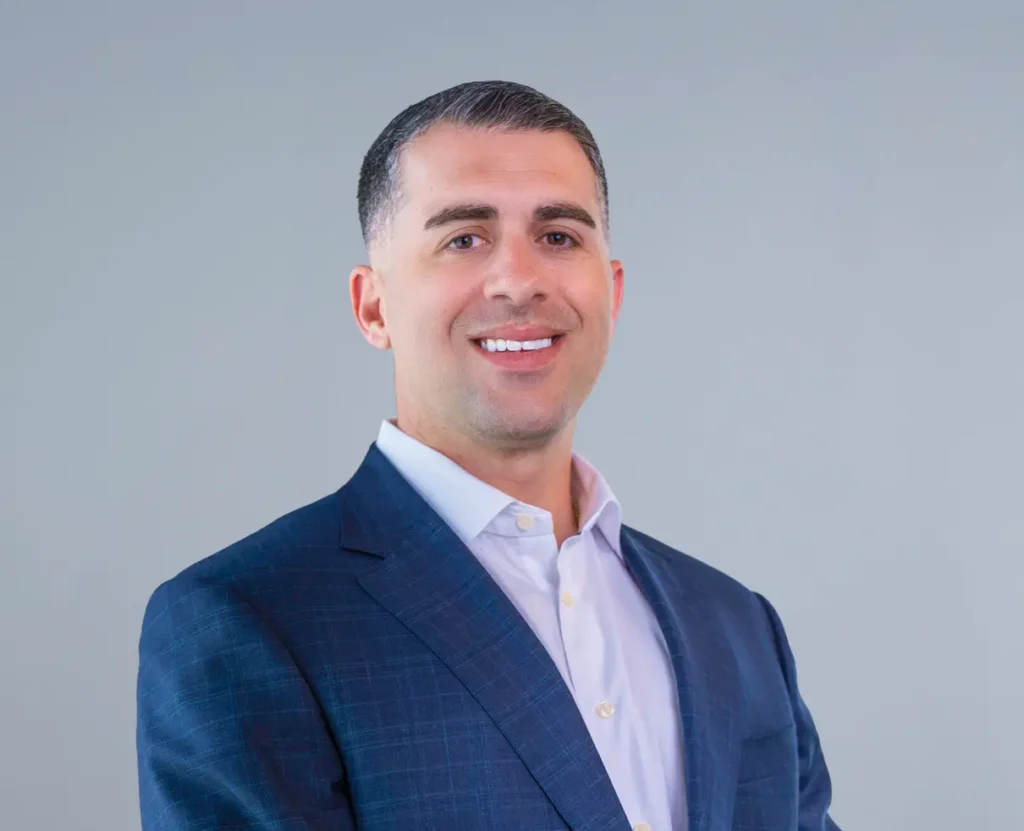
I recently went one-on-one with Nick Falcone, founder and CEO of Rentyl Resorts.
Adam: Thanks again for taking the time to share your advice. First things first, though, I am sure readers would love to learn more about you. How did you get here? What experiences, failures, setbacks, or challenges have been most instrumental to your growth?
Nick: We got here through hard work, perseverance, and a willingness to think differently than everyone else in the travel industry. From day one, our focus has been on building a business centered on residential, purpose-built resorts, a model that did not really exist when we started and one that still has very few, if any, peers today. Paving a path no one else has traveled is difficult and demands relentless execution. There is no playbook to follow, so you have to be willing to put in the work, learn quickly and stay the course when things get hard.
One setback that ultimately strengthened our platform was our attempt to launch a third-party distribution side of the business. We learned fairly quickly that it was too far a departure from our core strengths and our company’s purpose. Recognizing that, we pivoted back to what we do best. It was a humbling moment, but it sharpened our focus and reinforced the discipline of staying true to what makes us different.
Adam: How did you come up with your business idea? What advice do you have for others on how to come up with great ideas?
Nick: The idea was born around a family dinner conversation. My father is a developer, and at the time, he was developing a property in Orlando that, for the first time in his career, involved selling homes primarily to buyers who had little to no interest in living in them. They were purchasing them as investment vehicles. I was intrigued, and since I had never stayed at a vacation home before, I started booking stays at a number of them to understand the product and its nuances firsthand. Those trips quickly shaped our vision. We saw an opportunity to be different by not going the traditional property manager route, but instead building a brand platform anchored in purpose-built, branded, and amenitized communities.
For anyone looking to come up with great ideas, my advice is to start with problems rather than products. Identify a real problem, work backward to a solution, and then look to see whether anyone else has solved it. If you can find a meaningful solution that no one is offering yet, you may be looking at the foundation of a great business.
Adam: How did you know your business idea was worth pursuing? What advice do you have on how to best test a business idea?
Nick: We knew the idea was worth pursuing once we started competing head-to-head in our first community against two of the largest rental management companies in the world for owner contracts. Our program outperformed theirs so significantly across financial performance, owner satisfaction, and guest satisfaction that one of those competitors, a top 5 to 10 global property manager at the time, ultimately exited the community because they could not keep up. That was the moment we realized we were doing something genuinely different.
When testing a new business idea, my advice is to start small and in bite-sized pieces. Trying to test too many things at once makes it almost impossible to identify what is actually working. Smaller, focused tests give you a clear benchmark, surface the real opportunities for improvement, and allow you to pivot quickly when needed.
Adam: What are the key steps you have taken to grow your business? What advice do you have for others on how to take their businesses to the next level?
Nick: A key step in our growth was bringing in the right financial capital and strategic partners to support our expansion. Having a strong sounding board of strategic partners has been invaluable and continues to help us pressure-test and sharpen our thesis.
For anyone looking to take their business to the next level, my advice is to invest time upfront in identifying the potential pitfalls of your strategy and developing solutions for them before they materialize. When you are growing quickly, unexpected problems are what pull you away from execution and strategic focus. The more you can anticipate those obstacles or have solutions ready when they appear, the more time you can spend operating at the strategic level and driving toward the end goal.
Adam: What are your best sales and marketing tips?
Nick: On the sales side, have genuine confidence in your product and in your ability to close. Belief in what you are selling is contagious, and it shows.
On the marketing side, make sure the analytics driving your measurement of success are tied to financial metrics that actually impact the business, not vanity metrics. Too many agencies focus on numbers that make them feel successful rather than on whether their work is genuinely moving the business forward. Stay disciplined about the difference.
Adam: In your experience, what are the defining qualities of an effective leader? How can leaders and aspiring leaders take their leadership skills to the next level?
Nick: In today’s world, a leader has to be able to wear many hats and communicate effectively across a wide range of perspectives. Great leadership often starts with being a great listener, making sure your team feels heard, valued, and empowered. Ultimately, leaders are people whom others willingly follow and actively want to work with, rather than people they feel forced to align with. Aspiring leaders should focus on building that kind of trust and authenticity over time.
Adam: What is your best advice on building, leading, and managing teams?
Nick: Empower your team. Foster a positive culture where people genuinely feel cared for as individuals. And give them clear, defined paths toward mutual success so that what is good for them and what is good for the company are aligned.
Adam: What are your three best tips applicable to entrepreneurs, executives, and civic leaders?
Nick: Think big but execute in small bites that stay tightly connected to the big picture. Value passion and positive traits above experience. Don’t quit.
Adam: What is the single best piece of advice you have ever received?
Nick: My father told me that there are countless people in the world, each with their own unique strengths and “superpowers,” and that the only way to truly leverage that is to approach every person as an individual. That mindset has shaped how I lead, how I build teams, and how I build relationships.