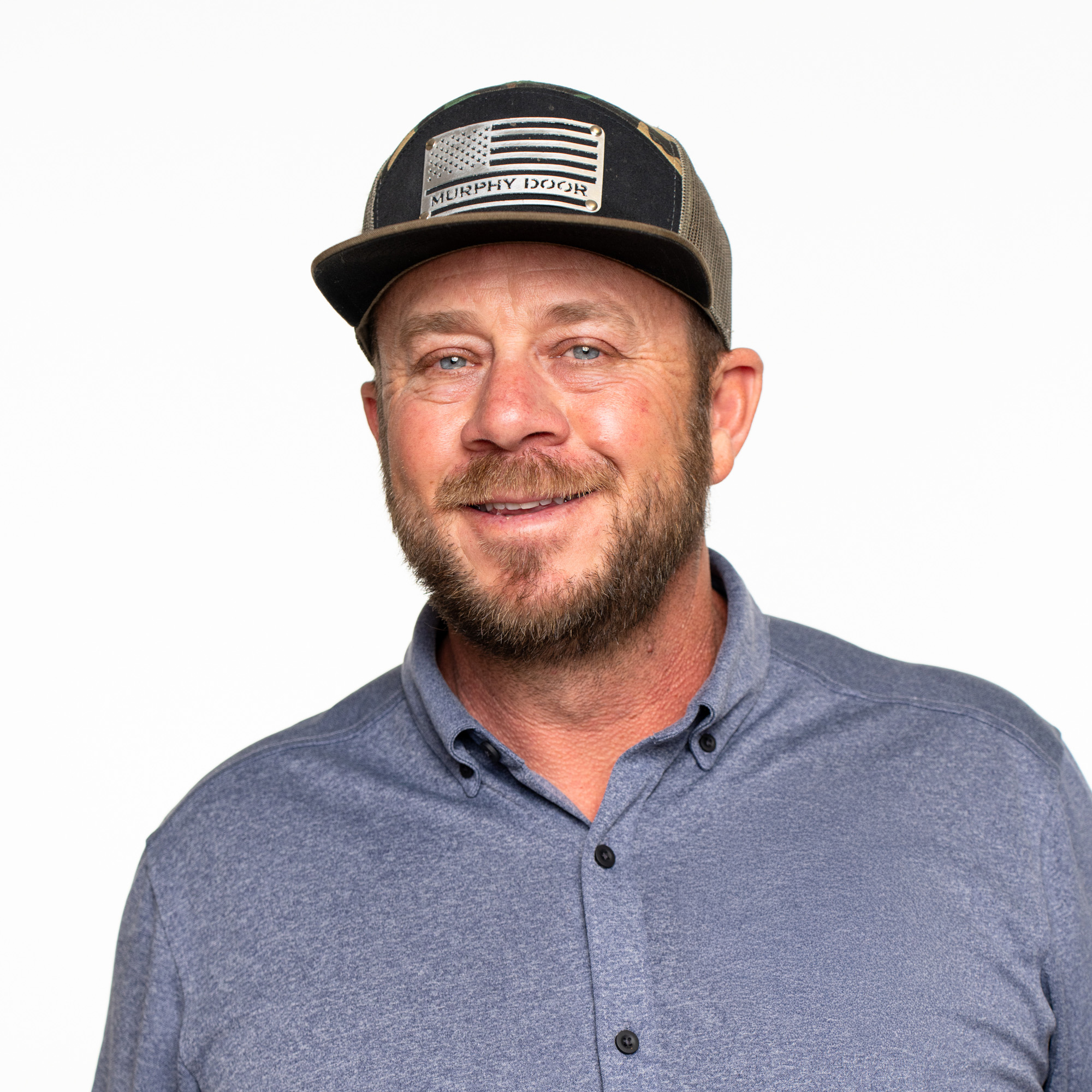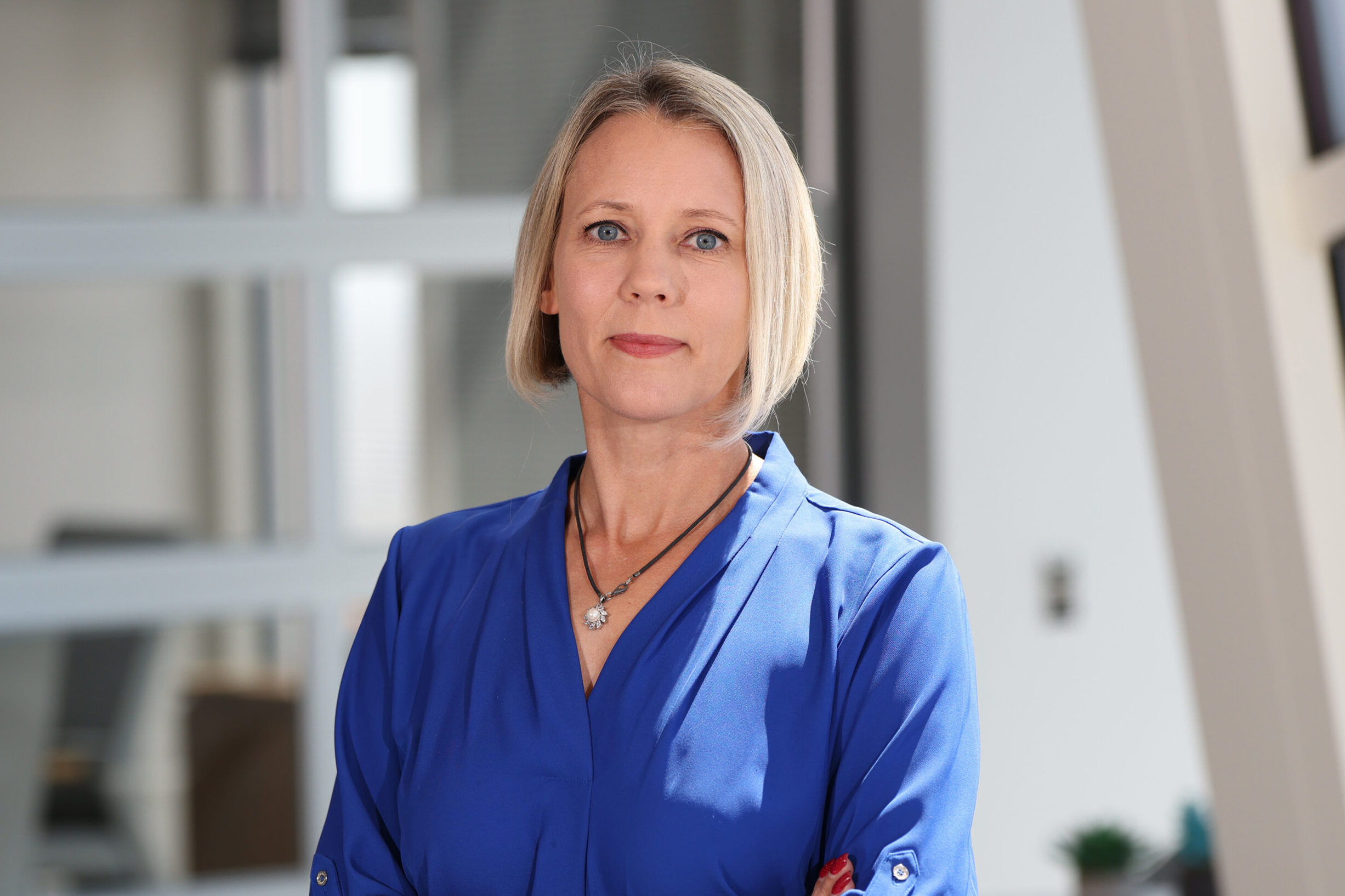


I recently went one-on-one with Tim Hentschel, co-founder and CEO of HotelPlanner.
Adam: Thanks again for taking the time to share your advice. First things first, though, I am sure readers would love to learn more about you. How did you get here? What experiences, failures, setbacks, or challenges have been most instrumental to your growth?
Tim: 9/11 happened, and times got tough in New York. I was laid off from my job as an analyst for a private equity bank. This led to a moment of playing basketball in Queens in the middle of the day. I said to myself, ‘What am I doing? I’m a Cornell graduate, and I’m shooting basketball in Queens in a public park.’ I decided I never wanted to work for anybody again because I wanted more control over my own destiny. I wanted to be an entrepreneur like my parents. I knew online travel was going to be big, but there were so many sites like Expedia and Priceline already established and fighting for a crowded market. I knew about group travel from my Mother’s business, and our family had owned Hotels for years. It was this insight that enabled me to see the niche was online group travel. I moved back to California, took classes in computer science, and used my background from being an analyst to write a great business plan. Then I raised money from friends and family to start HotelPlanner. John Pince, my co-founder and myself created and patented the Request for Pricing model that established Hotelplanner. More recently, we started to provide thousands of white label booking portals to partners that enable groups of people to travel.
We currently enable thousands of corporates, sports teams, wedding portals, and associations to provide accommodation to their users anywhere in the world. COVID was, of course, a real challenge. A pandemic does not make selling hotel rooms a great place to be. In reality, through all the pain and suffering, it was the disruption of COVID that sparked the insight and innovation that has led us to grow our revenues by over 350% since 2022. When COVID broke across the world, we had millions of cancellations, and banks treated us terribly. The bright point was that our 30-person call centre was converting bookings at an incredible rate. With so many unplannable lockdowns, our customers were no longer happy with reading free cancellation on a website. They wanted to hear someone say they could cancel their booking. We developed the tech to power our one-of-a-kind gig economy call centre. With training, wifi inventory, and great sales skills, we created the opportunity for brilliant salespeople to work anywhere in the world. We now have over 5,000 active agents that log on and take sales calls. They are based all over the world and are often local experts in their area and brilliant at what they do. This call centre meant we did not shrink during COVID. It also gave us a unique resource, 8,000,000 recorded calls.
As geeks, we knew AI was coming, but it was realizing how valuable these calls were as educational material that was the real insight. We had the resources to teach our tech. That proved so vital. Last year, we launched our AI-powered voice agent. It can inspire, sell, and take phone bookings. It also means we never miss a call. It supports and has not replaced our Gig economy call centre and has enabled us to realise how valuable conversational commerce is. Conversational commerce now drives over 40% of our bookings. We have kept our Group market and our closed user group market, but the real growth has been in AI and Gig call centre powered phone bookings. We are on track to double our revenue to $2 billion this year, and critically, our overheads have not grown. We have a very good revenue per employee rate. This October, we launched reservations.ai it’s a tech suite that will enable anyone who encourages people to travel to drive revenue from conversational commerce.
Adam: In your experience, what are the key steps to growing and scaling your business?
Tim: It’s knowing when to mix up empowerment and focus. Once you have an organization that is making money, you will have great people in that company. It is only natural that they come up with amazing ideas for growth. You need to encourage this as it’s what will empower future growth, but it needs a balance, as it means you can lose focus on what’s really making the money. Clear reporting and analysis helps this, but sometimes you need to take a jump and go all in. We did that with our gig economy call centre. The whole company got behind it, and it really grew and took us to where we are today.
Adam: What is your best advice on building, leading, and managing teams?
Tim: The mutual respect and trust my co-founder, John Prince, and I have shared for the last twenty-plus years has been vital for our growth. That’s a long time to work together, and I was incredibly lucky to partner with him so early on. Alongside that, I would advise you to hire a mix. Entrepreneurs are often better than MBAs as they know instinctively how to save money and when to spend it. Give people responsibility; if they fail, don’t blame them as long as they know why they failed. Trust them and where you can promote from within.
Adam: What are the most important trends in technology that leaders should be aware of and understand? What should they understand about them?
Tim: I could say AI, but I guess everyone says that. Of course, the trick is picking what AI will enable. For us, it’s teaching us to sell like we did before the web on the phone. I believe AI agents selling over the phone naturally and instinctively with the back-up of humans, is a massive development. Our growth proves this. I believe a hybrid of conversational and text commerce, talking through the visual product displayed on the phone or laptop, will yield incredible results.
Adam: What do you believe are the defining qualities of an effective leader?
Tim: Passion, honesty, tenacity.
Adam: How can leaders and aspiring leaders take their leadership skills to the next level?
Tim: You don’t often do the big steps twice. So for me it’s all about doing it. Get in a position that is challenging and back yourself to succeed.
Adam: What are your three best tips applicable to entrepreneurs, executives, and civic leaders?
Tim: I can only really advise entrepreneurs. For us, bootstrapping worked. You will never have anyone care about your business as much as you. Private equity means you give power to an organization who just does not have the same level of care as you do. That is dangerous. Companies grow organically. Bubbles burst, and our competitors that were private equity-backed saw their funding cut, and we picked up all their partnerships. We also bought one of those companies for next to nothing because of that.
Adam: What are your best tips on the topics of sales, marketing, and branding?
Tim: For sales, you need to listen to what the customers are saying. That’s hard for loquacious sales-driven people. Marketing is about experimentation and religiously measuring success to see what works. Successful branding is trust. If a brand does not deliver what it promises, it loses trust and all its value.
Adam: What is the single best piece of advice you have ever received?
Tim: Be tenacious but also enjoy the process along the way. Starting a business is going to take a long time. You have one life. Don’t waste it doing something you don’t enjoy. Is there anything else you would like to share? I never forget that at our core, Hotelplanner makes a difference in the world. We bring people together for special occasions and meaningful events. Of course, the real privilege of success is seeing who else you can help. Firstly, we like to look after our team and we have made sure they are well rewarded. Plus, I never forget that I was adopted and John, my co-founder, was from a single-parent family. So, we both knew how hard life can be. We support a lot of great charities, with St Jude’s being our main benefactor.