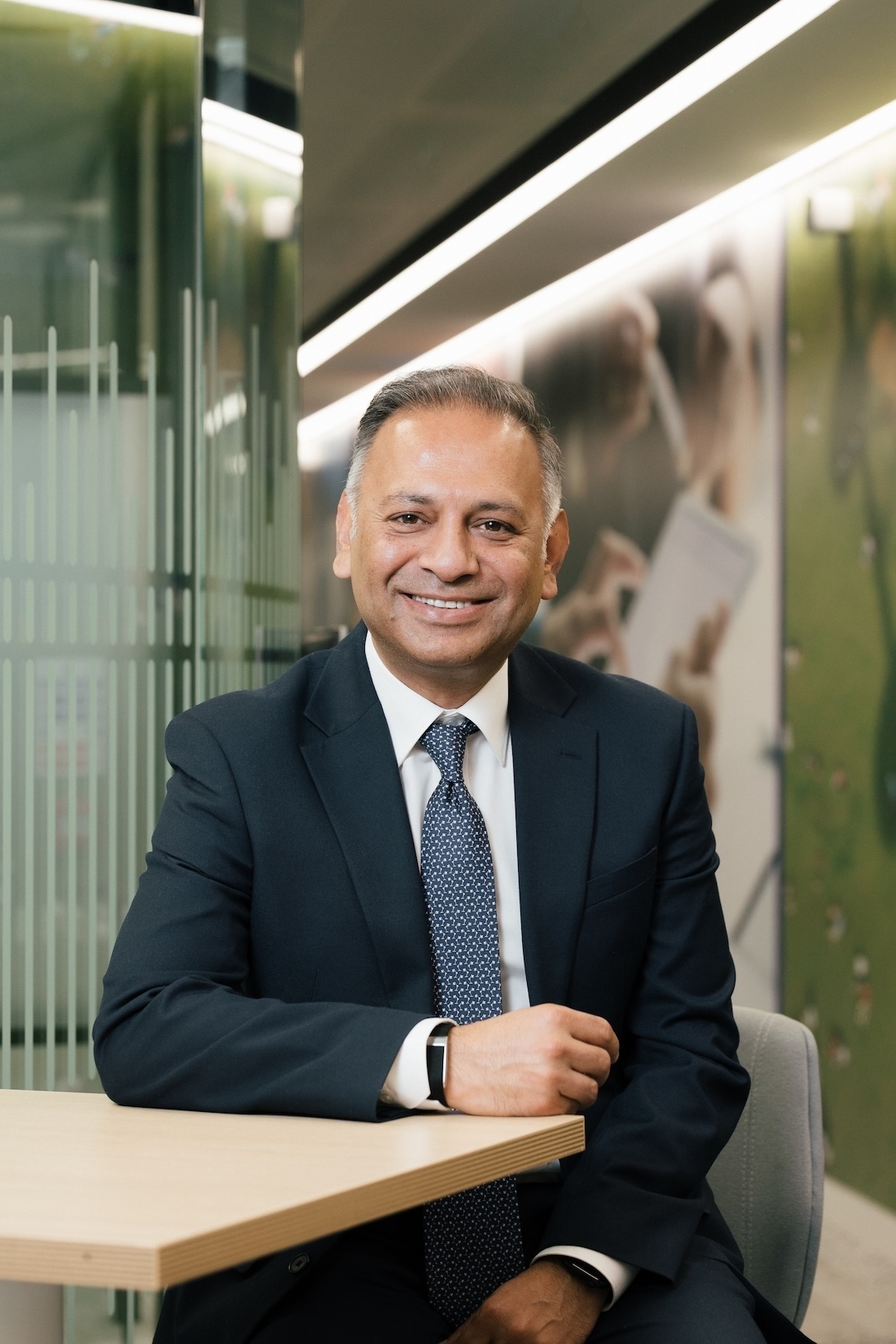

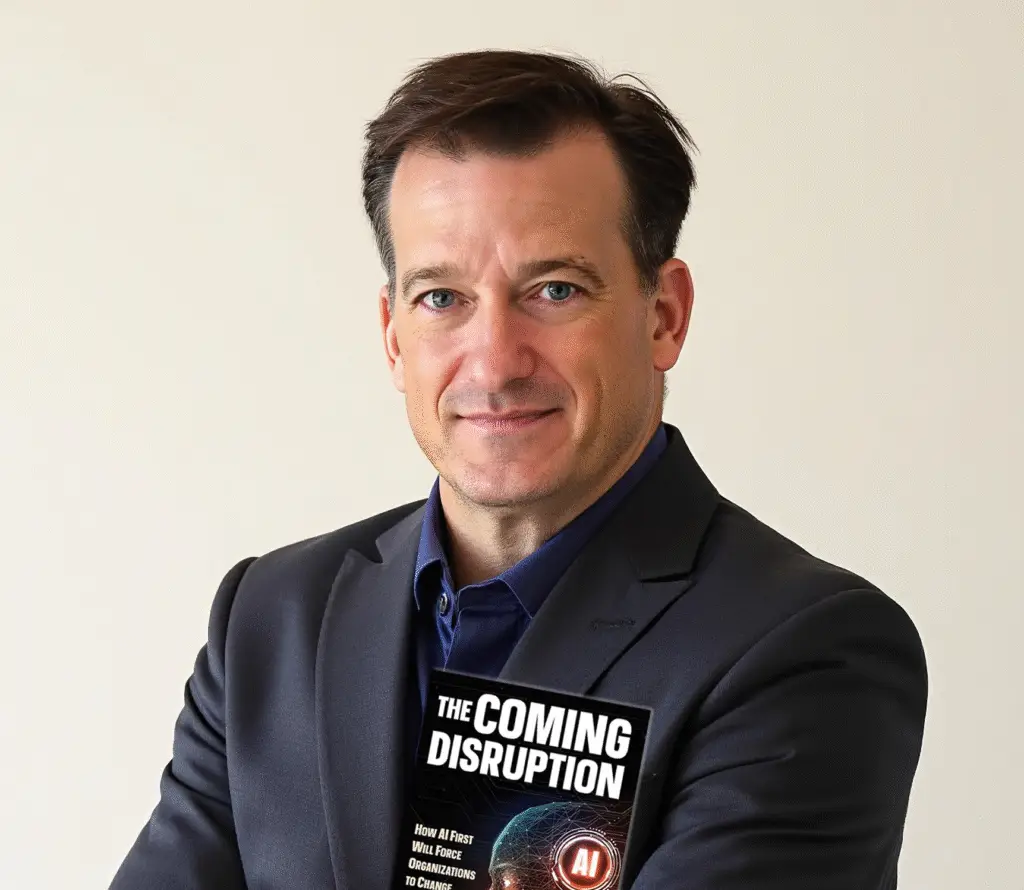
I recently went one-on-one with Fred Voccola. Fred is the Chairman and CEO of Simpro Group, the co-founder, Vice Chairman, and former CEO of Kaseya, and the author of The Coming Disruption: How AI First Will Force Organizations to Change Everything or Face Destruction.
Adam: Thanks again for taking the time to share your advice. First things first, though, I am sure readers would love to learn more about you. How did you get here? What experiences, failures, setbacks, or challenges have been most instrumental to your growth?
Fred: First and foremost, luck always plays a part. Many people say we make our own luck. And there is some truth to that. However, when I think of my luck, I was lucky to be blessed with the two best parents anyone could ever hope for. It was ONLY because of their parenting, love, and guidance that I have been able to do anything positive in my life.
To get a bit more specific, I got here the same way most real entrepreneurs and scaled operators do – by getting knocked around, learning fast, and refusing to quit. There was no perfect plan. No straight line. No “I always knew this would work.” What got me here was a willingness to take risks, make decisions with incomplete information, and own the outcome: good or bad.
The most important experiences in my growth were not the wins. The wins validate you. The losses teach you. And I’ve had plenty of both. I’ve made bad hires. I’ve pushed strategies that didn’t work. I’ve been in situations where the business was under real pressure, and there was nowhere to hide. That’s where you grow. When you’re accountable and exposed.
Early on, I realized something that has stayed with me: no one is coming to save you. There’s no perfect mentor, no perfect timing, no perfect situation. You either figure it out or you don’t. Figuring it out does not mean having the “end game” figured out; it means figuring out enough so you survive and fight another day, and keep buying time and chances to find the end game home run answer that allows the business to explode.
At Kaseya, we scaled through complexity, pressure, and constant change. That wasn’t luck; that was execution, accountability, and speed. At Simpro Group, we’re doing it again, but now in an AI-first world where the pace is even faster, and the stakes are higher. The biggest lesson? Growth comes from discomfort. If you’re not in situations where you’re being tested, you’re not growing. It’s that simple.
Adam: In your experience, what are the key steps to growing and scaling your business?
Fred: Scaling a business is not complicated, but it is brutally unforgiving if you get the fundamentals wrong. First, you need absolute clarity on your value to your customer. What problem do you solve, and why are you better than anyone else at solving it? If you can’t answer that clearly, you don’t have a business; you have noise.
Second, execution is everything. Strategy is easy to talk about. Execution is what separates winners from everyone else. You need consistency, discipline, and a relentless focus on outcomes.
Third, build a culture of accountability. No excuses. No politics. No hiding. Everyone knows what they own, and they either deliver or they don’t. Most companies fail here because they tolerate underperformance.
Fourth, you must move fast. Speed is the single biggest competitive advantage in today’s market. If you’re slow, you’re dead. Markets don’t wait. Competitors don’t wait. Technology doesn’t wait.
Fifth, and this is the biggest shift happening right now, you must become AI-first. Not AI-assisted. Not AI-curious. AI-first. That means rethinking how work gets done, how decisions get made, and how your organization is structured.
Finally, and by far most importantly, stay obsessed with the customer outcome. Not your internal metrics. Not your org chart. Not your product or service. Nothing about you or yourself. It’s always about the customer you are serving and how you are making their life and/or business better … easier … faster … more profitable. The actual value you deliver. That’s what drives success and success at scale.
Adam: What is your best advice on building, leading, and managing teams?
Fred: Most leaders overcomplicate this. It comes down to a few things, and they are not optional.
First, get the right people. Talent matters. Drive matters. Accountability matters. If someone doesn’t have those things, no amount of process or coaching will fix it.
Second, set clear expectations. Ambiguity is the enemy of performance. People should know exactly what they’re responsible for and what success looks like.
Third, hold people accountable. This is where most leaders fail. They avoid hard conversations. They tolerate mediocrity. And over time, that destroys the team.
Fourth, lead from the front. You don’t get to demand high performance if you’re not modeling it. Your standards, your work ethic, your urgency – that becomes the culture.
Fifth, eliminate bureaucracy. The “deep state of business,” layers of process, approvals, and internal politics, kills speed and innovation. The best teams are lean, fast, and focused on outcomes.
And finally, reward results. Not effort. Not activity. Results.
If you build a team like that, you don’t need to motivate people. The environment does it for you.
Adam: What are the most important trends in technology that leaders should be aware of and understand? What should they understand about them?
Fred: There is one trend that matters more than anything else right now: AI. And most leaders still don’t fully understand what it means. This is not another tech upgrade. This is a fundamental shift in how work gets done. It will change everything: how companies operate, how employees contribute, how value is created.
First, AI is not about incremental improvement. It’s about exponential change. Companies that adopt it correctly will see massive gains in productivity and output.
Second, AI will reduce the number of people required to produce results. That’s not a theory; that’s happening now. The organizations that embrace this reality will win. The ones that avoid it will get left behind.
Third, being “AI-enabled” is not enough. You need to be AI-first. That means designing your organization around AI, from workflows to decision-making to talent models.
Fourth, Speed. The definition of speed to results has changed. With AI, most outcomes can be accomplished 50-80% faster. The entire world is adopting this technology. That means everyone is operating 50-80% faster. If you do not embrace a culture of SPEED, you simply cannot leverage this technology optimally, and your business will die.
And finally, AI will reward entrepreneurial leaders – people who move fast, take risks, and focus on outcomes. It will punish slow, bureaucratic, consensus-driven organizations.
If you’re not thinking about how your business becomes AI-first right now, you are already behind.
Adam: What do you believe are the defining qualities of an effective leader?
Fred: Effective leaders are defined by outcomes, not titles or intentions. The first quality is accountability. Real leaders take ownership of everything – the wins and the losses. No excuses.
Second is decisiveness. You cannot lead if you cannot make decisions. Waiting for perfect information is just another form of avoidance.
Third is resilience. You will get hit. You will face setbacks. The question is not whether it happens, it’s how you respond.
Fourth is clarity. People need to understand where you’re going and why it matters. If they don’t, they won’t follow.
Fifth is execution. Ideas are cheap. Execution is everything.
And finally, courage. Leadership requires making hard decisions about people, strategy, and direction. If you’re avoiding those decisions, you’re not leading.
Adam: How can leaders and aspiring leaders take their leadership skills to the next level?
Fred: Stop waiting for permission. Leadership is not something you’re given. It’s something you take. If you want to get better, start acting like a leader today. Take ownership. Solve problems. Make decisions. Drive outcomes.
Second, put yourself in uncomfortable situations. Growth does not happen when things are easy. It happens when you’re stretched.
Third, seek feedback, but don’t become dependent on it. Learn from it, adjust, and keep moving.
Fourth, develop a bias for action. Speed matters. Momentum matters. Overthinking kills both.
And finally, surround yourself with people who challenge you. If you’re always the smartest person in the room, you’re in the wrong room.
Leadership is not about perfection. It’s about progression and results.
Adam: What are your three best tips applicable to entrepreneurs, executives, and civic leaders?
Fred: First, move faster than you’re comfortable with. Speed creates advantage. Slow decision-making destroys it.
Second, focus on outcomes, not activity. Being busy is not the same as being effective. Measure what matters.
Third, embrace change aggressively. The world is not slowing down. The leaders who win are the ones who adapt faster than everyone else.
If you do those three things consistently, you will outperform most people.
Adam: What is the single best piece of advice you have ever received?
Fred: Outwork everyone. You don’t have to be the smartest person in the room, just be willing to outwork everyone else, with a laser focus on the customer first.
Adam: Is there anything else you would like to share?
Fred: One of my favorite quotes is from Mike Tyson. He said, “Everyone has a plan until they get punched in the face.” Everyone will get punched in the face at some point. If you expect it, it prepares you to act. Always remember, hard times create necessity, and necessity paves the way for innovation.